
Unlock the Hidden Power of Your 401(k): The Step-by-Step ROBS Rollover Hack That Could Launch Your Dream Business Today


We all know starting a business boils down to one thing—capital. But here’s a little secret: what if you could kick-start your dream without drowning in debt or handing over part of your ownership? Intriguing, right? That’s where a Rollover for Business Startups (ROBS) swoops in like a financial superhero. It lets you leverage your retirement savings to fund your venture without triggering those dreaded early withdrawal penalties or surprise tax bills.
This method isn’t just clever; it’s empowering. You’re investing in your vision while keeping full control—no sneaky strings attached. But, hold up—this financial dance demands you follow some strict IRS choreography. Nail the steps, and you’re golden—funding your dream with your 401(k) without slipping up. Ready to dive into the ROBS 401(k) rollover hustle? Let’s break it down.
Step 1: Form a C Corporation (Because IRS Says So)
First off, you gotta create a C corporation. It’s not just a fancy buzzword—it’s IRS-mandated for ROBS because only a C corp can issue stock, which is the linchpin of this whole setup. Forgot about sole proprietorships, LLCs, or partnerships—ROBS doesn’t play with those.
You’ll get your papers in order by filing articles of incorporation at your state office and snagging an Employer Identification Number (EIN) from the IRS. Think of it as your business’s official “birth certificate.”
Step 2: Adopt a Qualified Retirement Plan—The 401(k) That Does More
Next, your shiny new C corporation needs a qualified retirement plan—usually a 401(k) or profit-sharing deal that’s IRS-approved. But here’s the kicker—the plan must allow for buying employer stock, aka your company’s stock. This crucial clause sets your ROBS plan apart from the everyday kind that mostly deals with mutual funds or stocks you find on Wall Street.
Step 3: Roll Over Your Retirement Funds—No Taxes, No Penalties, Just Power
Now, this is where magic happens. You roll your existing retirement funds—think 401(k), 403(b), or eligible IRA—into the new plan. When done right, this shift is tax-free. You dodge the 10% early withdrawal fee and hold off on income taxes. The trick? A direct trustee-to-trustee transfer. That means your money zips straight from one financial institution to another—never touching your hands.
Pro tip: Team up with seasoned ROBS 401(k) providers to keep this step airtight. One slip-up here can lead to tax nightmare city.
Step 4: You Become the Plan Trustee—Boss Moves Only
Who runs the show? You do. By default, you’re the trustee of your 401(k) plan. That means you have the fiduciary duty to act in the best interest of the plan and its participants (which, hey, includes you).
This power lets you decide how to invest plan assets—and crucially, to buy stock in your own corporation. You’re the captain steering this ship, but remember, with great power comes great responsibility.
Step 5: Put That Capital to Work—Legitimate Expenses Only!
With cash now sitting comfortably in your corporation’s operating account, spend it wisely. Your business bucks can cover:
- Buying equipment and stock
- Leasing office or retail spaces
- Paying salaries (yup, yours included)
- Marketing and advertising efforts
But here’s a crucial reminder—don’t dip into this pot for personal expenses. The IRS isn’t in the mood for mixing business with pleasure.
Step 6: Keep Uncle Sam Happy—File Those Annual Reports
Your plan’s tax-advantaged status hinges on regular check-ins. That means filing Form 5500 annually with the IRS and Department of Labor. This report lays out your plan’s financial health, investments, and activities.
Slip-ups or late filings can cost you dearly—think penalties and lost qualified status. Many business owners wisely delegate this task to pro administrators to stay crisp.
Step 7: Corporate Formalities—Because Paperwork Isn’t Going

Good 'n' Fun Kabobs Long-Lasting Dog Treat Made With Real Protein, 24 oz | Premium Chicken, Pork and Beef Hide Chew, Supports Dental Health and Mental Stimulation, For Adult Dogs
$17.97 (as of October 2, 2026 03:08 GMT +00:00 - More infoProduct prices and availability are accurate as of the date/time indicated and are subject to change. Any price and availability information displayed on [relevant Amazon Site(s), as applicable] at the time of purchase will apply to the purchase of this product.)
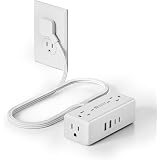
3Ft Short Extension Cord with Multiple Outlets, Surge Protector Power Strip | SUPERDANNY Small Flat Plug Power Strip with 4 Outlets & 4 USB, Charging Station for Home, Office, College Dorm Essentialss
$11.99 (as of October 2, 2026 03:26 GMT +00:00 - More infoProduct prices and availability are accurate as of the date/time indicated and are subject to change. Any price and availability information displayed on [relevant Amazon Site(s), as applicable] at the time of purchase will apply to the purchase of this product.)

Apple Watch Series 12 GPS 42mm Smartwatch | Light Gold Aluminum Case, Sand Sport Band - S/M. Health + Fitness + Sleep Tracking, Heart Rate, Safety
$389.99 (as of October 2, 2026 03:26 GMT +00:00 - More infoProduct prices and availability are accurate as of the date/time indicated and are subject to change. Any price and availability information displayed on [relevant Amazon Site(s), as applicable] at the time of purchase will apply to the purchase of this product.)

Dr Pepper, Zero Sugar, 12 Ounce, 12 Count
$6.46 (as of October 2, 2026 03:06 GMT +00:00 - More infoProduct prices and availability are accurate as of the date/time indicated and are subject to change. Any price and availability information displayed on [relevant Amazon Site(s), as applicable] at the time of purchase will apply to the purchase of this product.)

GHOST Energy Drink, Zero Sugars, 12-Pack, A&W Root Beer, 16oz | Energy & Focus Pre Workout Drink, No Artificial Colors, Gluten-Free, Vegan - 200MG Natural Caffeine, L-Carnitine, Taurine
$29.99 (as of October 2, 2026 03:06 GMT +00:00 - More infoProduct prices and availability are accurate as of the date/time indicated and are subject to change. Any price and availability information displayed on [relevant Amazon Site(s), as applicable] at the time of purchase will apply to the purchase of this product.)
Good 'n' Fun Kabobs Long-Lasting Dog Treat Made With Real Protein, 24 oz | Premium Chicken, Pork and Beef Hide Chew, Supports Dental Health and Mental Stimulation, For Adult Dogs
$17.97 (as of October 2, 2026 03:08 GMT +00:00 - More infoProduct prices and availability are accurate as of the date/time indicated and are subject to change. Any price and availability information displayed on [relevant Amazon Site(s), as applicable] at the time of purchase will apply to the purchase of this product.)
3Ft Short Extension Cord with Multiple Outlets, Surge Protector Power Strip | SUPERDANNY Small Flat Plug Power Strip with 4 Outlets & 4 USB, Charging Station for Home, Office, College Dorm Essentialss
$11.99 (as of October 2, 2026 03:26 GMT +00:00 - More infoProduct prices and availability are accurate as of the date/time indicated and are subject to change. Any price and availability information displayed on [relevant Amazon Site(s), as applicable] at the time of purchase will apply to the purchase of this product.)
Apple Watch Series 12 GPS 42mm Smartwatch | Light Gold Aluminum Case, Sand Sport Band - S/M. Health + Fitness + Sleep Tracking, Heart Rate, Safety
$389.99 (as of October 2, 2026 03:26 GMT +00:00 - More infoProduct prices and availability are accurate as of the date/time indicated and are subject to change. Any price and availability information displayed on [relevant Amazon Site(s), as applicable] at the time of purchase will apply to the purchase of this product.)
Dr Pepper, Zero Sugar, 12 Ounce, 12 Count
$6.46 (as of October 2, 2026 03:06 GMT +00:00 - More infoProduct prices and availability are accurate as of the date/time indicated and are subject to change. Any price and availability information displayed on [relevant Amazon Site(s), as applicable] at the time of purchase will apply to the purchase of this product.)













Post Comment