Why Most Investors Fail Miserably: 3 Brutal Truths I Learned After 30 Years in Global Finance You Can’t Ignore

Ever stopped to wonder why some deals skyrocket while others nosedive, even when everything looks perfect on paper? Thirty years grinding through global finance taught me that it’s never about the flashy headlines or the hype—it’s the skeleton beneath, the quiet architecture of structure, timing, and raw responsibility that dictates the real game. Starting on Wall Street at Wells Fargo and threading my way through giants like Deutsche Bank and BlackRock, I saw firsthand how markets gyrate in a heartbeat, but the repercussions? They echo way longer than anyone expects. This isn’t just about numbers; it’s about navigating the unseen forces that shape every success and every failure — and mastering them before chasing growth. Ready to dive into what decades inside the beast really reveal? LEARN MORE

Thirty years in global finance changes how you see the world.
You stop chasing noise.
You start watching structure.
You respect risk.
I began my career on Wall Street at Wells Fargo. I moved from personal banking to the trading floor. Later I worked across institutions including Deutsche Bank, Merrill Lynch, Credit Agricole, Lloyds Bank, and BlackRock. I built desks. I structured deals. I saw success. I saw collapse.
Markets move fast. Consequences last longer.
Here is what those decades taught me.
Risk Is Not the Enemy
Risk is constant. It does not disappear. It changes form.
In the early 1990s, I reviewed credit packages for clients at Wells Fargo. I remember one file that looked clean. Strong projected cash flow. Good collateral. The numbers were polished. One small revenue assumption was overstated. It looked minor.
It was not minor.
The project stalled within a year. The model depended on perfect execution. It had no buffer.
That was my first lesson. Risk hides in assumptions.
According to the Bank for International Settlements, global banking crises often follow periods of rapid credit growth. Overextension builds slowly. Failure happens suddenly.
Risk is rarely dramatic at first. It is quiet.
Types of Risk I Saw Repeatedly
- Overconfidence risk
- Timing risk
- Documentation risk
- Political risk
- Liquidity risk
Markets do not forgive denial.
One structured deal I worked on in the early 2000s collapsed because legal documentation lagged behind negotiation. The capital existed. The intent was there. The paperwork was weak. Investors walked away.
Risk often sits in process, not price.
Timing Changes Everything
A good deal at the wrong time still fails.
I learned this clearly during my years in debt capital markets. At Lloyds, when we built the MTN and Private Placement Desk, we increased self-led deals from 4% to 32%. We did not invent new demand. We tightened timing and reduced approval loops.
We cut internal delays.
We clarified counterparty verification.
We moved when the window opened.
Markets open and close quickly. Interest rate shifts matter. Central bank policy matters. The 2008 financial crisis proved how quickly liquidity can disappear.
During that crisis, global equity markets lost more than 40% of their value. Liquidity dried up across asset classes. Institutions that depended on short-term funding faced collapse.
Timing is not about speed. It is about alignment.
If the project timeline, funding structure, and market conditions do not match, friction increases.
Practical Timing Rules
- Never assume next quarter will look like this one.
- Align repayment schedules with revenue reality.
- Avoid launching complex transactions during policy uncertainty.
- Watch central bank direction closely.
I have seen infrastructure projects fail because funding approval lagged by three months. Three months sounds small. It is not small in a volatile market.
Timing is discipline.
Responsibility Is Bigger Than Profit
Finance moves capital. Capital moves lives.
That is not poetic. It is practical.
When I founded and managed The Tiger Fund, I saw how capital allocation affects real outcomes. Investors trusted us with assets. That trust carried weight.
Later, I applied the same thinking to philanthropic work in Sierra Leone and India. When funding supports water systems or agricultural expansion, responsibility extends beyond return. It affects health and food security.
According to the World Bank, over 700 million people still live in extreme poverty. Capital decisions matter in that context.
Responsibility means checking assumptions twice.
Responsibility means declining deals that lack transparency.
Responsibility means protecting counterparties from structural weakness.
I have turned down projects when documentation was incomplete. I have walked away from counterparties who resisted compliance checks. It is easier to say yes. It is safer to say no when risk is unclear.
Sir Patrick Bijou has often stated that trust and verification must coexist. That principle shaped my decisions across institutions and ventures.
Structure Beats Noise
Markets love excitement. Structure loves clarity.
When I worked on interest rate derivatives at Credit Agricole CIB and Calyon, I learned that complexity impresses rooms. Simplicity protects capital.
The more complex the structure, the more likely small errors compound.
One multi-asset transaction looked elegant on paper. It combined equity exposure, credit protection, and inflation linkage. The pricing model assumed stable correlation. Correlation broke. The hedge weakened.
We adjusted quickly. The lesson stayed.
Simple structures fail less often.
Structure Checklist I Use
- Clear revenue source
- Clear legal ownership
- Clear counterparty verification
- Defined exit strategy
- Transparent reporting
If any of those are weak, the deal is weak.
Lessons From Market Cycles
I have seen cycles repeat.
The Asian financial crisis.
The dot-com crash.
The global financial crisis.
Rate tightening periods.
Each cycle carries a different trigger. The pattern stays similar. Leverage builds. Risk hides. Correction arrives.
According to IMF data, financial crises often follow extended periods of low volatility. Calm markets create comfort. Comfort reduces scrutiny.
I learned to stay cautious during calm periods.
If volatility drops too low, I review assumptions more closely.
Actionable Advice for Finance Professionals
1. Write Everything Down
Memory is unreliable. Documentation protects.
2. Stress-Test Assumptions
Reduce revenue projections. Extend timelines. Test worst-case outcomes.
3. Separate Signal From Noise
Read primary data. Avoid reacting to headlines.
4. Keep Leverage Controlled
High leverage amplifies returns and losses. Markets punish excess.
5. Review Failures Repeatedly
Success hides weaknesses. Failure exposes them.
What I Would Do Differently
Early in my career, I trusted verbal confirmations more than written ones. That cost time and credibility once. Now I require written clarity before commitment.
I also moved too quickly on one structured opportunity because momentum felt strong. The numbers were sound. Political change disrupted approval. Timing misaligned.
I learned patience.
Final Reflection
Thirty years in global finance taught me that risk never disappears. It shifts.
Timing never guarantees safety. It demands discipline.
Responsibility never fades. It grows with scale.
Markets reward clarity. They punish complacency.
If I had to summarise the lesson in one line, it would be this:
Master structure before scale.
That rule applies to funds, banks, governments, and personal decisions.
Finance is powerful. Used carefully, it builds roads, schools, and stability. Used carelessly, it multiplies harm.
The difference lies in how seriously we take risk, timing, and responsibility.
That is what three decades taught me.
<!–
–>
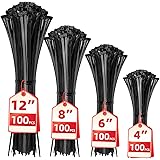
Cable Zip Ties,400 Pack Black Assorted Sizes 12+8+6+4 Inch,Multi-Purpose Self-Locking Nylon Cable Cord Management,Plastic Wire Ties for Home,Office,Garden,Workshop. By HAVE ME TD
$6.99 (as of September 16, 2026 03:11 GMT +00:00 - More infoProduct prices and availability are accurate as of the date/time indicated and are subject to change. Any price and availability information displayed on [relevant Amazon Site(s), as applicable] at the time of purchase will apply to the purchase of this product.)
Banana Bunch (4-5 Count)
(as of September 16, 2026 03:03 GMT +00:00 - More infoProduct prices and availability are accurate as of the date/time indicated and are subject to change. Any price and availability information displayed on [relevant Amazon Site(s), as applicable] at the time of purchase will apply to the purchase of this product.)
Twinings English Breakfast Black Tea Individually Wrapped Bags, 100 Count (Pack of 1), Smooth, Flavourful, and Robust, Caffeinated, Enjoy Hot or Iced, 100 Teabags
$12.38 (as of September 16, 2026 03:21 GMT +00:00 - More infoProduct prices and availability are accurate as of the date/time indicated and are subject to change. Any price and availability information displayed on [relevant Amazon Site(s), as applicable] at the time of purchase will apply to the purchase of this product.)
Premier Protein 30g High Protein Shake, Chocolate, 12 Pack | 160 Calories, 24 Vitamins & Minerals, No Added Sugar, Supports Muscle Health, Gluten-Free, 11 oz
$23.97 (as of September 16, 2026 03:03 GMT +00:00 - More infoProduct prices and availability are accurate as of the date/time indicated and are subject to change. Any price and availability information displayed on [relevant Amazon Site(s), as applicable] at the time of purchase will apply to the purchase of this product.)














Post Comment