
Middle East Airspace Shutdown Sparks Chaos: What the Iran Strikes Mean for Your Next Flight—and Your Safety
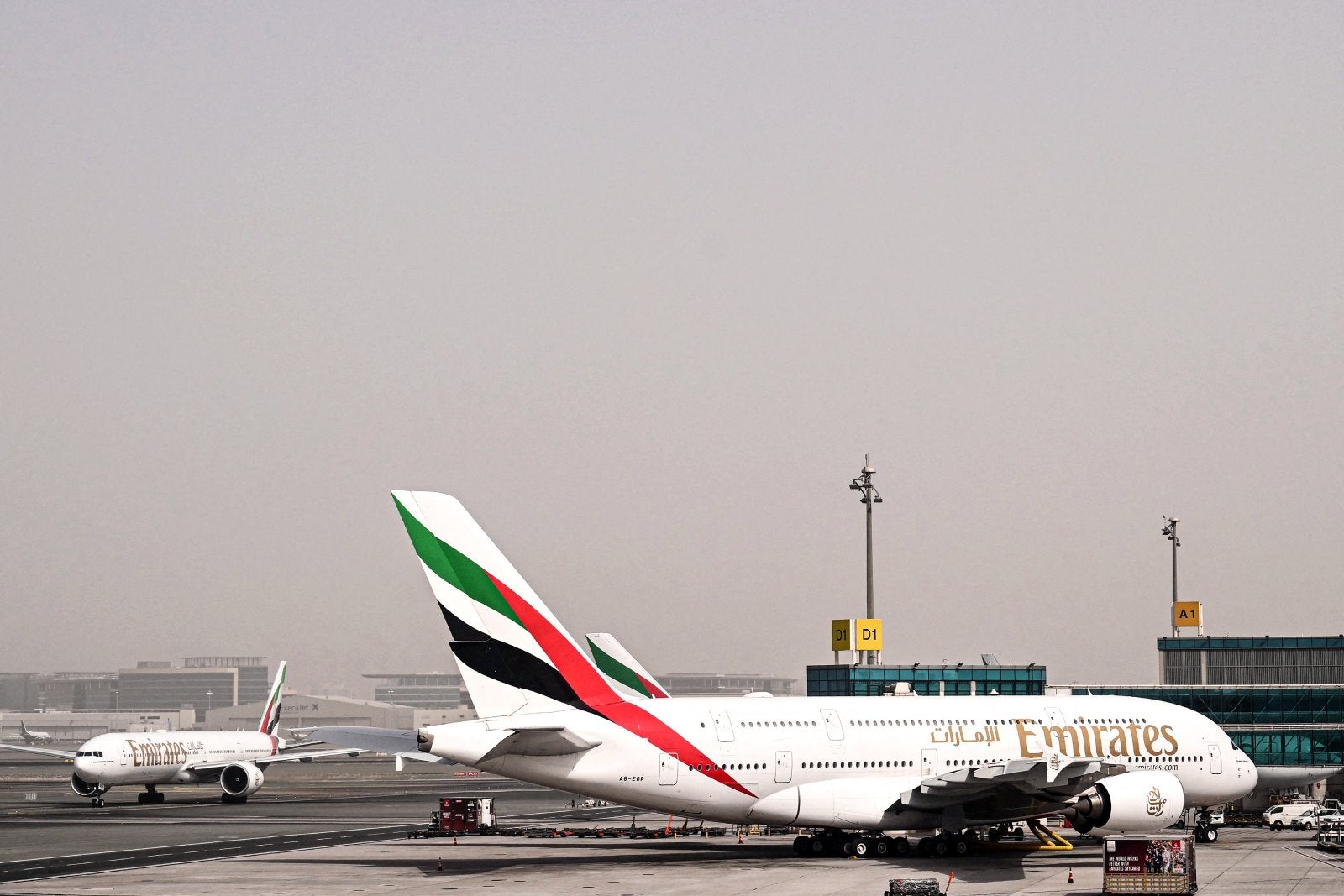
Imagine booking a flight to a sunny getaway only to find the skies have suddenly shut down on you—what’s going on? Following the U.S. and Israel’s strikes on Iran on February 28, the Middle East has effectively hit the pause button on air travel. Airspace closures aren’t just minor hiccups; they’ve stretched across a patchwork of countries—from the UAE to Bahrain, turning FlightRadar24’s live maps into a frozen mosaic of no-fly zones. With Dubai International—the world’s second busiest airport—alongside Abu Dhabi’s and Doha’s major hubs shuttered, travelers are caught in a swirling storm of cancellations and uncertainty. The big question now: how do you navigate travel plans in a region where the skies, quite literally, are off limits? Whether you’re scrambling for flight waivers or double-checking hotel bookings, the ripple effects are huge. Let’s unpack what this means for your next trip, and how to stay a step ahead when the airspace goes dark. LEARN MORE
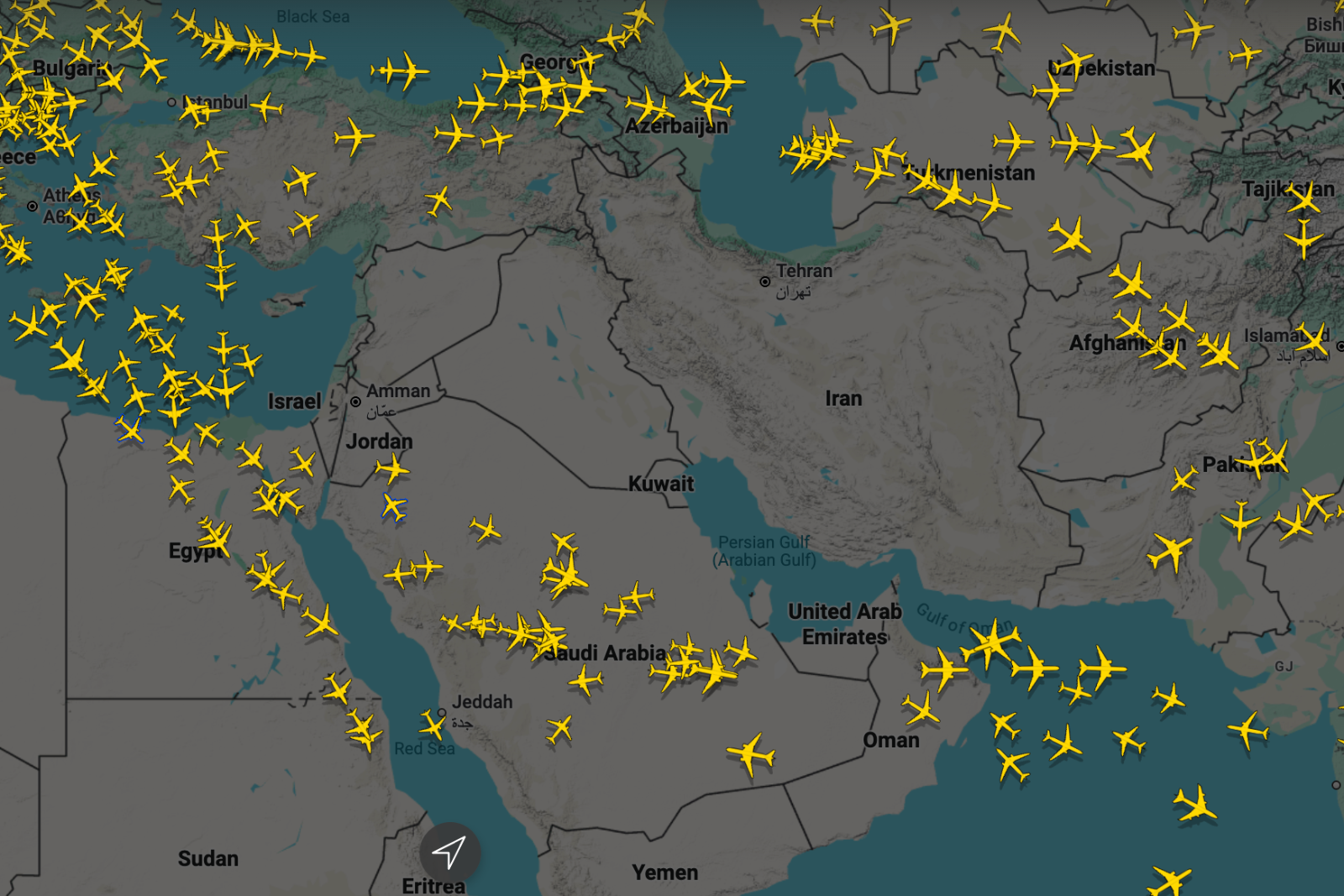
Following the U.S. and Israel’s attacks on Iran on Feb. 28, airspace closures throughout the Middle East have led to massive commercial flight disruptions and cancellations.
The real-time flight tracking service FlightRadar24 showed airspace closures across the region on Saturday, including in the UAE, Qatar, Jordan, Iran, Iraq, Syria, Israel, Kuwait and Bahrain.
Several major airports have suspended operations until further notice, including Dubai International Airport (DXB) — the world’s second busiest airport — Zayed International Airport (AUH) in Abu Dhabi and Hamad International Airport (DOH) in Doha.
Though many other airports in the Middle East remain open, passengers should check with individual airlines for the latest updates before heading to the airport, as cancellations may vary.
Both Gulf airlines and international carriers that fly through the region have issued travel waivers in light of the conflict, allowing passengers to easily change or cancel flights. Each travel waiver varies by airline, with additional information available on each carrier’s website:
Travelers with upcoming hotel reservations in affected areas of the Middle East should first check the hotel’s website for any updates and information about how bookings may be impacted. Keep in mind that some properties in the region may be actively managing the crisis — according to reporting by the BBC, Fairmont The Palm Hotel in Dubai has been impacted. Calling these hotels directly should be a last option.
The Points Guy has reached out to representatives at Accor, Hilton, Hyatt, IHG and Marriott, and we’ll update this post with any details.
Related: When plans go wrong: Your guide to booking refundable travel
Travelers who purchased travel insurance before the conflict began should be able to recover travel expenses if they choose to cancel an upcoming trip. Consult TPG’s comprehensive guides to travel insurance and the credit cards that include trip cancellation and interruption insurance:
Sheba Perfect Portions Cuts Wet Cat Food, Multipack, 2.6 oz, 24 ct | Chicken, Salmon & Turkey cuts in gravy, grain-free, protein-rich, no corn/soy, essential vitamins & minerals, twin-pack trays
$27.96 (as of October 22, 2026 03:13 GMT +00:00 - More infoProduct prices and availability are accurate as of the date/time indicated and are subject to change. Any price and availability information displayed on [relevant Amazon Site(s), as applicable] at the time of purchase will apply to the purchase of this product.)
soundcore by Anker Q20i Hybrid Active Noise Cancelling Headphones, Black | Over-Ear, Bluetooth, 40H ANC Playtime, Hi-Res Audio, Big Bass, Transparency Mode, Customize via App, Travel, Home, Office
$39.97 (as of October 22, 2026 03:23 GMT +00:00 - More infoProduct prices and availability are accurate as of the date/time indicated and are subject to change. Any price and availability information displayed on [relevant Amazon Site(s), as applicable] at the time of purchase will apply to the purchase of this product.)
200 Pcs Stickers for Kids, Cute Kids Water Bottle Stickers, Party Favors | Waterproof Vinyl Sticker Pack, Goodie Bags Stuffers for Kids, Classroom Prizes for Elementary Students, Stickers Bulk
$5.99 (as of October 22, 2026 03:33 GMT +00:00 - More infoProduct prices and availability are accurate as of the date/time indicated and are subject to change. Any price and availability information displayed on [relevant Amazon Site(s), as applicable] at the time of purchase will apply to the purchase of this product.)
STRELLALAB Hemp Calming Chews for Dogs - Stress, Anxiety Relief Treats | Advanced Relaxing Support Supplement w/ Melatonin - Separation, Barking, Fireworks & Travel - All Breeds, Sleep Aid (120Ct)
$17.91 (as of October 22, 2026 03:22 GMT +00:00 - More infoProduct prices and availability are accurate as of the date/time indicated and are subject to change. Any price and availability information displayed on [relevant Amazon Site(s), as applicable] at the time of purchase will apply to the purchase of this product.)














Post Comment