
Why Short-Form Content Is Hijacking Your Brain—and How to Reclaim Your Focus Before It’s Too Late

Ever catch yourself scrolling through a never-ending stream of bite-sized videos and wonder, “When did my attention span turn into a goldfish’s?” Trust me, you’re not alone. By 2026, our brains are being ping-ponged between rapid-fire clips that grab us in seconds—or not at all. It’s like we’re living in a blink-and-you’ll-miss-it world where deep focus is the elusive unicorn no one sees anymore. I mean, platforms like TikTok and Meta’s vast digital playgrounds have made lightning-fast content the norm, sparking creativity and real-time culture—but at what cost? That nagging feeling of burnout? Yeah, that’s cognitive fatigue calling. Between endless distractions and the tug of short-form frenzy, embracing long-form thought and sustained learning feels like swimming upstream in a downpour. And here’s the kicker: attention has become the hottest currency out there, with algorithms vying for every millisecond we can spare. For those of us juggling careers, creativity, and leadership, staying sharp isn’t optional anymore—it’s a skill to be honed. So how do we flex that mental muscle in a world designed to scatter it? Let’s dive into why managing short-form content is the new power move. LEARN MORE
Short-form content has reshaped how we consume information—and how long we can stay focused.
In 2026, the average scroll session is fast, fragmented, and relentless, with content designed to hook attention in seconds or be discarded instantly.
A New Way of Thinking—Fast, Fragmented, and Reactive
Platforms like TikTok and ecosystems owned by Meta Platforms have normalized rapid-fire content consumption. The upside? Creativity, democratized reach, and real-time culture. The downside? Reduced deep focus and increased cognitive fatigue.
Long-form thinking—reading, reflection, sustained learning—now competes with infinite distraction.

The Attention Economy Is Personal
Attention has become currency, and algorithms are optimized to capture as much of it as possible. The more fragmented our focus becomes, the harder it is to engage with complex ideas, relationships, and goals.
For professionals, creatives, and leaders, this isn’t just a cultural issue—it’s a performance one. Focus is no longer assumed. It must be trained.
Training Focus in a Short-Form World
The most effective men in 2026 aren’t rejecting short-form content—they’re managing it. Techniques like time-boxed scrolling, long-form reading habits, and single-task workflows are becoming essential tools for mental clarity.
Attention, like muscle, strengthens with resistance.

USB C Headphones for iPhone 18/17/16/15 Pro Max Earbuds,Type C Earphones | with Microphone & Remote Noise Cancelling Earphones for iPhone 18/17/16/15 Pro Max Plus,iPad,Galaxy S26/S25/Ultra Note 10/20
$9.49 (as of October 27, 2026 03:34 GMT +00:00 - More infoProduct prices and availability are accurate as of the date/time indicated and are subject to change. Any price and availability information displayed on [relevant Amazon Site(s), as applicable] at the time of purchase will apply to the purchase of this product.)
Banana Bunch (4-5 Count)
(as of October 27, 2026 03:13 GMT +00:00 - More infoProduct prices and availability are accurate as of the date/time indicated and are subject to change. Any price and availability information displayed on [relevant Amazon Site(s), as applicable] at the time of purchase will apply to the purchase of this product.)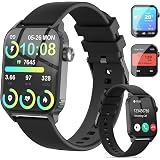
Smart Watch for Men, 120 Sports Modes Smartwatch with 1.83" HD, Alexa Built-in, Heart Rate/Sleep Monitor, IP67 Waterproof, Bluetooth Call & Music Control Fitness Watch for iPhone/Android (Black)
$20.99 (as of October 27, 2026 03:34 GMT +00:00 - More infoProduct prices and availability are accurate as of the date/time indicated and are subject to change. Any price and availability information displayed on [relevant Amazon Site(s), as applicable] at the time of purchase will apply to the purchase of this product.)
Amazon Kindle Paperwhite 16GB (newest model), Now thinner and lighter, 7" display, warm light, Graphite
$199.99 (as of October 27, 2026 03:34 GMT +00:00 - More infoProduct prices and availability are accurate as of the date/time indicated and are subject to change. Any price and availability information displayed on [relevant Amazon Site(s), as applicable] at the time of purchase will apply to the purchase of this product.)














Post Comment