
Unlock the Hidden Power of Aerobic Strength: Why It’s the Game-Changer Your Workout’s Been Missing

Ever wondered if being “strong” is about more than just how much you can lift or how ripped your biceps look in the mirror? Yeah, me too—and honestly, it’s time we rethink what strength really means. Sure, bench pressing a ton of weight is impressive, but what about having a heart and lungs that actually work together with your muscles to keep you going—whether you’re chasing the bus or crushing a weekend hike? That’s where aerobic strength comes in, and it’s a game-changer for anyone serious about fitness that lasts a lifetime. Ready to fuel your body in a whole new way and find out how cardio can build not just a leaner physique but a more resilient, powerhouse you? Let’s dive into why aerobic training isn’t just for runners or swimmers—it’s for all of us who want to keep showing up strong, day after day. LEARN MORE
 6 min read
Ready to get into the best shape of your life? Get free weekly workouts and no-nonsense training insights delivered straight to your inbox. Sign up here and let the gains begin.
WHEN YOU THINK of strength, you probably think of muscle and the gym. That’s measured by how much weight someone can lift, how many reps they can grind out, and how impressive their physique looks in the mirror. All of these qualities are important—but for a more comprehensive quality of life, this conception of strength is lacking. For more holistic fitness, you’ll also want to hone another type of strength, so your heart, lungs, and muscles can work together to sustain effort over time.
That’s where aerobic strength comes in.
Aerobic training (better known as cardio) refers to sustained movement that relies on oxygen to fuel working muscles. Think of activities like brisk walking, cycling, swimming, or a long run—all of which elevate your heart rate for extended periods. (Anaerobic training, meanwhile, uses energy stored within your muscles as its primary fuel.) Adding this type of training throughout your week can surely help you achieve a leaner look (paired with the right nutrition), but the real value runs deeper. While aerobic training involves the physical act and modality of movement, aerobic strength is the capacity that develops from this training. It improves the ability of your cardiovascular system to deliver oxygen to working muscles and sustain effort over time. Think of aerobic strength as the physiological outcome of aerobic training.
Here’s a closer look at the “why” behind aerobic training and how to work it into your routine.
Becoming “Fit”
There’s being strong, there’s being fast, and there’s being “fit.” Fitness isn’t defined by a single trait, but rather the ability to handle a wide range of physical demands. Whether it’s carrying groceries up three flights of stairs or pushing hard through a workout without running out of gas, fitness shows up across every facet of life.
“Having spent my entire life training in strength and conditioning through sport and competition, I view cardiovascular fitness as inseparable from true strength, ” says Mathew Forzaglia, CSFC. “Being strong isn’t just about lifting heavy, it’s about having a cardiovascular system capable of supporting that strength in real life. This combination allows me to live an independent, high-functioning lifestyle without limitations due to fatigue, breathlessness, or lack of capacity.”
The American Heart Association recommends 150-minutes of moderate intensity exercise per week. Think of brisk walking, cycling, swimming, the stairmaster or even dancing. This type of movement is considered Zone 2 cardio, meaning your heart rate is around 60 to 70 percent of max; a good way to gauge this is being able to hold a casual conversation while moving. Another option: 75 minutes per week of higher intensity work (considered to be in Zones 4 and 5, with more elevated heart rates), like running and sprinting, HIIT, or competitive sports that require extended time on feet with bursts of explosiveness (think: basketball or soccer). While either approach sends you home with an “A” on your cardio report card, an ideal approach to achieving optimal health levels is finding a way to combine both types of exercise in one week.
Those guidelines alone don’t tell you where you stand, or whether your training is actually working. If aerobic strength is the goal, you need a way to measure it, track it, and watch it improve over time. What gets measured, gets managed. Meet VO2 max.
VO2 max, or maximal oxygen uptake, measures how much oxygen your body can use during intense exercise, making it one of the clearest indicators of aerobic strength. In simple terms, it reflects how efficiently your heart, lungs, blood, and muscles work together to deliver and use oxygen when demand is high. The higher your VO2 max, the better your endurance, recovery, and day-to-day energy, and the lower your risk of cardiovascular disease and premature death.
Think of VO2 max as a credit score for your fitness; it captures your current capacity while also predicting long-term health outcomes. Zone 2 training builds the foundation by increasing mitochondrial density and improving metabolic efficiency, while higher-intensity efforts in Zones 4 and 5 raise your ceiling by improving stroke volume and oxygen delivery. Together, they create an aerobic system that supports not just performance, but resilience, longevity, and the ability to keep showing up strong both in the gym and in real life.
Stumped on where to start? Grab a baseline score with a local performance facility such as Life Time Fitness to better understand your starting point. Some everyday wearables do include a feature of predicted VO2 max based on workout results, but testing in a performance lab can yield the most accurate results.
Building An Aerobic Engine
Developing aerobic fitness doesn’t require abandoning the barbell or logging marathon miles, it starts with intention. Steady, conversational-pace movement builds the foundation of your aerobic system, improving fat metabolism and teaching your body to produce energy more efficiently. Stacked on top of a steady state foundation, occasional higher-intensity sessions in Zones 4 and 5 raise your ceiling. Short intervals, hill sprints, tempo runs, or fast-paced circuits challenge your heart’s stroke volume and your body’s ability to deliver and utilize oxygen under stress. The result is a system that not only performs better during workouts but recovers faster between sets, sessions, and stressful moments in everyday life. Over time, this combination creates what coaches often call an “engine,” the capacity to sustain effort, adapt to demand, and keep going without redlining. It’s the difference between looking fit, and being fit.
Forzaglia, who’s currently training for a half marathon while maintaining muscle mass and managing a foot injury, swears by his strategy of four structured aerobic sessions per week, spliced in with two strength days:
Day 1: Steady-state assault bike for 45 minutes, holding a consistent 60 to 65 RPM
Day 2: Longer intervals, such as 4 rounds of 4-minute rowing for max distance with 4-minute recovery
Day 3: EMOM-style conditioning — 1-minute bike, 1-minute SkiErg, 1-minute row repeated for 30 to 40 minutes, sometimes calorie-based (15 to 18 cal/min) or time-based
Day 4: Short, high-intensity intervals such as 4 rounds of 6 sets of 15 seconds on / 45 seconds off
“Prior to half marathon training, conditioning sessions were simpler, either a longer “easy” aerobic session (45 to 60 minutes) or interval-based work on the rower, SkiErg, or bike,” said Forzaglia.
No, You Won’t Lose Your Gains
One of the most persistent myths in strength culture is that cardio kills muscle. A large meta-analysis found that combining aerobic and resistance training does not interfere with muscle hypertrophy or maximal strength development across most populations and training protocols. In reality, aerobic training only becomes catabolic when volume is excessive, nutrition is insufficient, or recovery is ignored. When programmed strategically, cardio supports muscle growth by improving circulation, enhancing nutrient delivery, and increasing work capacity, all of which allow you to train harder and recover more effectively.
The key is managing timing and intensity. Long, exhaustive sessions performed immediately before heavy lifting can compromise performance, but moderate Zone 2 work on separate days, or after strength sessions, complements hypertrophy and strength goals. Higher-intensity intervals can be kept brief and purposeful, acting as a stimulus rather than a drain.
For lifters who want to maintain size while improving aerobic strength, the formula is simple: lift heavy, eat enough protein and calories, prioritize sleep, and treat cardio as a tool, not a punishment.While you may not maximize muscle size or endurance to the same degree as someone training exclusively for one goal, you’ll build a well-rounded level of fitness that allows you to perform across a wide range of physical demands.
A New Definition of Strength
The conversation is shifting. Strength is no longer perceived as simply how many plates you can stack on a bar, or how physically built you are. It’s about how your body recovers, endures, and functions in real life. A strong heart, efficient lungs, and a robust aerobic system are part of that, fitting right in with an ability to move powerfully (explosive strength), classic absolute strength, an ability to use your strength in real life (functional strength), and the way you carry your muscle (mirror-muscle strength).
Long-term, it’s the blend of these that will have you looking, moving, and feeling your best beyond the gym—and in hikes, pickup games, travel, parenthood, and decades ahead. With longevity as the goal, it’s time we trained for more.
Danielle Bitts, NASM CWC and CPT, is a journalist with over a decade of experience within health and fitness. She’s the former VP of Brand and Editor-In-Chief ofBodybuilding.com, was a founding creative producer for the Spartan Race media team, and is now the Founder of Perfect Days Collective, an experiential wellness brand focused on human evolution.
Danielle’s completed three 70.3 Ironmans, 1 marathon and over 14 half marathons. She’s a former Division 1 athlete and has competed in Taekwondo, Olympic weightlifting, CrossFit, long distance swimming and has summited Mt. Whitney as well as completed the Salcantay trail in Peru.
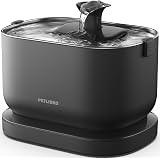
PETLIBRO Cat Water Fountain, Cordless Pet Water Fountain Battery Operated, 2.5L/84oz Dockstream Water Fountains for Cats Indoor, Cat Fountain with Stainless Steel Tray, Easy to Clean BPA-Free
$58.58 (as of October 26, 2026 03:23 GMT +00:00 - More infoProduct prices and availability are accurate as of the date/time indicated and are subject to change. Any price and availability information displayed on [relevant Amazon Site(s), as applicable] at the time of purchase will apply to the purchase of this product.)
Bloom Nutrition Zero Sugar Energy Drink, Apple Crisp, 12oz 12pk | 180mg natural caffeine with prebiotics, green tea extract & lychee for energy, focus and feel-good refreshment.
$24.99 (as of October 26, 2026 03:13 GMT +00:00 - More infoProduct prices and availability are accurate as of the date/time indicated and are subject to change. Any price and availability information displayed on [relevant Amazon Site(s), as applicable] at the time of purchase will apply to the purchase of this product.)
Temptations Classic Crunchy and Soft Cat Treats, Tasty Chicken, 16 oz | Under 2 calories per treat, crunchy outside & soft inside, resealable tub, 100% complete & balanced, snack, meal or topper
$6.49 (as of October 26, 2026 03:13 GMT +00:00 - More infoProduct prices and availability are accurate as of the date/time indicated and are subject to change. Any price and availability information displayed on [relevant Amazon Site(s), as applicable] at the time of purchase will apply to the purchase of this product.)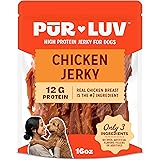
Pur Luv Dog Treats, Chicken Jerky Dog Treat with Real Chicken Breast, 16 oz | High protein and low fat, Limited ingredient recipe, No artificial flavors or preservatives, Satisfies instinct to chew
$14.99 (as of October 26, 2026 03:13 GMT +00:00 - More infoProduct prices and availability are accurate as of the date/time indicated and are subject to change. Any price and availability information displayed on [relevant Amazon Site(s), as applicable] at the time of purchase will apply to the purchase of this product.)












Post Comment