
Could Ditching Meat Be the Secret Weapon in Your Fight Against Cancer? Here’s What Science Reveals!
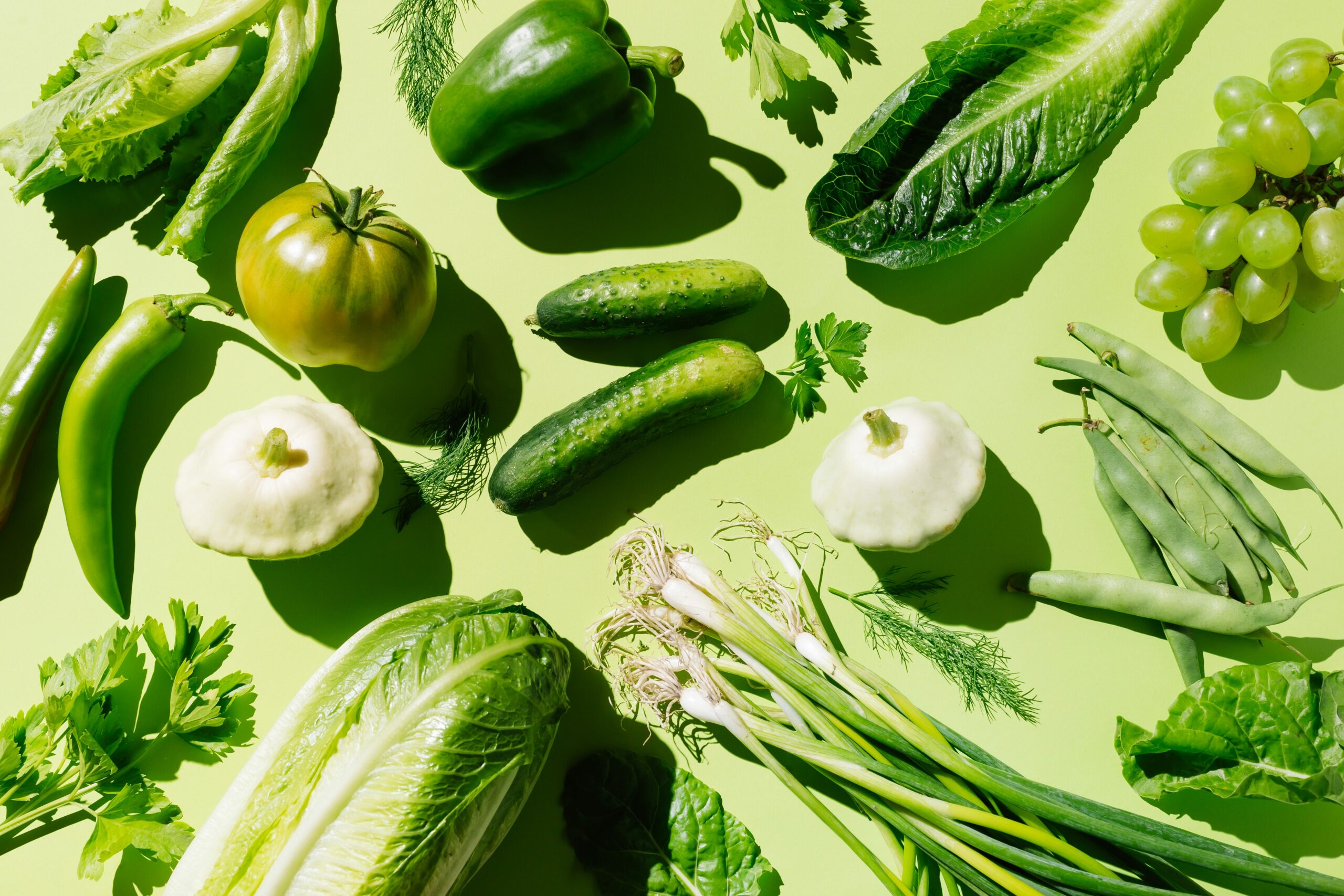
Ever wondered if loading up on kale and quinoa actually shields you from cancer, or if it’s just another health myth swirling around the internet? Turns out, the answer isn’t quite so black and white—or green, for that matter. A powerhouse study tracking nearly two million folks revealed that vegetarians enjoy lower risks of several major cancers like pancreatic, prostate, breast, kidney, and some rare blood cancers. Sounds like a no-brainer win, right? But hold on—here’s the twist—vegetarians also showed a surprisingly higher risk for esophageal cancer, and vegans weren’t off the hook either, with an increased chance of colorectal cancer. So, what gives? While chomping on whole veggies crammed with fiber, vitamins, and minerals is undoubtedly beneficial, the story about diet and cancer risk is far more nuanced than “eat plants, avoid cancer.” The science prompts us to ask—could diet truly be a silver bullet, or is it just one piece of a much bigger puzzle? Let’s dive into what the latest research uncovered and where experts are drawing the line. LEARN MORE
 5 min read
- A new study that looked at nearly two million people found vegetarians had a lower risk of pancreatic, prostate, breast, kidney, and blood cancer.
- However, data also showed that vegetarians had a higher risk of esophageal cancer and vegans had a higher risk of colorectal cancer.
- Experts say that eating whole vegetables can be good for you as they’re rich in fiber, vitamins, and minerals—but stress that diet isn’t the only way to lower your risk of cancer.
There are so many reasons why someone might develop cancer, but research suggests that up to half of cases can be prevented through a variety of factors. These include things you can change yourself (quitting smoking, reducing alcohol consumption, and maintaining regular physical activity) as well as more environmental factors (pollution, occupational carcinogens, and radiation) that you might have less control over.
With that, it’s fair to assume that being vegetarian or vegan might also lower your risk of cancer. After all, what could be healthier than a diet full of highly nutritious vegetables? And while earlier studies have shown a link between plant-based diets and lower cancer risk, the latest research says things are a bit more complicated. The new report says that while following a plant-based diet may lower your risk of many cancers, it won’t necessarily reduce your risk of all of them.
“I hear questions about this all the time in my cancer clinic,” says Anton Bilchik, MD, PhD, chief of medicine and director of the Gastrointestinal and Hepatobiliary Program at Providence Saint John’s Cancer Institute in Santa Monica, CA. “When a patient is diagnosed, they may say, ‘I don’t understand why I got cancer because I’m vegan or vegetarian,’ thinking those diets are going to prevent cancer.” And while those diets can certainly be associated with less risk of adverse health outcomes, it’s not a foolproof way of avoiding cancer.
Here’s what the latest study found about what following a plant-based diet can—and can’t—do for your cancer risk.
Meet the experts: Carrie Daniel, PhD, MPH, professor of epidemiology at The University of Texas MD Anderson Cancer Center; Sylvia Crowder, PhD, health outcomes and behavior researcher at Moffitt Cancer Center; Anton Bilchik, MD, PhD, chief of medicine and director of the Gastrointestinal and Hepatobiliary Program at Providence Saint John’s Cancer Institute in Santa Monica, California
What did the study find?
The study, which was published in the British Journal of Cancer, analyzed data from more than 1.8 million people who were followed for a median of 16 years. The researchers specifically looked at the diets people followed—including meat-eaters, poultry eaters, pescatarians, vegetarians, and vegans—along with any cancer diagnoses they may have received during the study period.
After crunching the data, they discovered that people who followed a vegetarian diet had a 21 percent lower risk of pancreatic cancer, a 12 percent lower risk of prostate cancer, and a 9 percent lower risk of breast cancer compared to those who ate meat. They also had impressively lower risks of developing less common cancers, like a 28 percent lower risk of kidney cancer and 31 percent lower risk of multiple myeloma, a rare blood cancer.
But researchers also found that vegetarians had almost double the risk of squamous cell carcinoma of the esophagus, and that vegans had a nearly 40 percent higher risk of colorectal cancer compared to meat eaters.
Should you switch to a plant-based diet to lower your risk of cancer?
This is tricky. A large body of research suggests that eating a plant-heavy diet is best for lowering your risk of cancer. But organizations like the American Cancer Society (ACS) don’t recommend avoiding meat entirely. Instead, the ACS suggests following a “healthy diet” that includes lots of fruits and vegetables, whole grains, lean protein sources, and low-fat dairy products.
In general, there’s a lot to love about diets that are heavy in plants, says Carrie Daniel, PhD, MPH, professor of epidemiology at The University of Texas MD Anderson Cancer Center. These diets tend to be rich in fiber, vitamins, minerals, and bioactive compounds that make up a balanced, healthy diet, she says. Higher fiber intake (around 30 grams per day for adults) supports gut health, while plant compounds help to tamp down inflammation in the body, she adds.
There’s also a matter of what a plant-based diet leaves out. “Diets that emphasize plants also often replace processed or high-fat animal foods, which may further improve overall health patterns,” Daniel explains. These diets also tend to be lower in saturated fat and more nutrient-dense, says Sylvia Crowder, PhD, health outcomes and behavior researcher at Moffitt Cancer Center. That can help with weight management, which is an important element in cancer prevention, she explains.
Why would being vegetarian or vegan be associated with a higher risk of other types of cancer?
There are a few theories. Researchers suggested in the paper that vegetarians may be low in important nutrients like B vitamins that could be protective against cancer, while vegans may also struggle with low intakes of calcium and other nutrients that could be protective against certain forms of cancer.
“The suggestion here is that by not getting adequate minerals or vitamins, that in itself may have a deleterious effect,” Bilchik explains.
Other lifestyle choices can also impact risk beyond diet, Bilchik adds. “If a vegan person doesn’t exercise and is obese, there may be other reasons why they developed cancer.”
It’s also possible someone might follow a vegetarian or vegan diet and still run into other dietary risk factors for cancer, such as eating too many ultra-processed foods. In recent years, some ultra-processed meat substitutes have become a popular and convenient way for many vegans to adhere to their diet.
All that said, this is one observational study—meaning the researchers didn’t prove that eating a vegetarian or vegan diet raised or lowered the risk of certain cancers. They simply found a link.
The takeaway
“The most reliable takeaway is that a diet rich in whole plant foods, vegetables, fruits, legumes, whole grains, nuts, and seeds appears beneficial, whether or not someone eliminates meat entirely,” Crowder says. That, plus ensuring you’re getting the necessary vitamins and minerals for a balanced diet and following healthy lifestyle choices in areas beyond diet, sets you up for the best odds.
Korin Miller is a freelance writer specializing in general wellness, sexual health and relationships, and lifestyle trends, with work appearing in Men’s Health, Women’s Health, Self, Glamour, and more. She has a master’s degree from American University, lives by the beach, and hopes to own a teacup pig and taco truck one day.
Carina Hsieh, MPH, is the deputy features editor of Women’s Health. She has more than a decade’s worth of experience working in media and has covered everything from beauty, fashion, travel, lifestyle, pets, to health.
She began her career as an intern in the fashion closet at Cosmopolitan where she worked her way up to Senior Sex & Relationships Editor. While covering women’s health there, she discovered her passion for health service journalism and took a break to get her Masters in Public Health. Post-grad school, she worked as a freelance writer and as The Daily Beast’s first Beauty, Health, and Wellness Reporter.
Carina is an alum of the Fashion Institute of Technology and the Yale School of Public Health. She and her French Bulldog, Bao Bao, split their time between Brooklyn and Connecticut. She enjoys reformer Pilates, (slow) running, and smelling the fancy toiletries in boutique fitness class locker rooms.
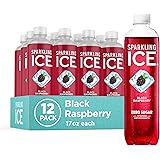
Sparkling Ice, Black Raspberry Sparkling Water, Zero Sugar Flavored Water, with Vitamins and Antioxidants, Low Calorie Beverage, 17 fl oz Bottles (Pack of 12)
$12.47 (as of October 5, 2026 03:06 GMT +00:00 - More infoProduct prices and availability are accurate as of the date/time indicated and are subject to change. Any price and availability information displayed on [relevant Amazon Site(s), as applicable] at the time of purchase will apply to the purchase of this product.)
Dog Calming Pheromone Diffuser Kit for Anxiety, 2 Diffusers & 4 Refills | Continuously releases calming pheromones to help reduce anxious behavior, barking, stress and nervousness in dogs.
$24.99 (as of October 5, 2026 03:14 GMT +00:00 - More infoProduct prices and availability are accurate as of the date/time indicated and are subject to change. Any price and availability information displayed on [relevant Amazon Site(s), as applicable] at the time of purchase will apply to the purchase of this product.)
Dog Dental Wipes for Teeth Cleaning, Finger Toothbrush Wipes for Dogs Cats,Dog Teeth Cleaning Wipes Reduce Bad Breath & Plaque Tartar, No-Rinse Daily Oral Care,Dog Toothbrush & Toothpaste Alternatives
$15.96 (as of October 5, 2026 03:14 GMT +00:00 - More infoProduct prices and availability are accurate as of the date/time indicated and are subject to change. Any price and availability information displayed on [relevant Amazon Site(s), as applicable] at the time of purchase will apply to the purchase of this product.)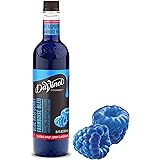
DaVinci Gourmet Classic Blue Raspberry, 25.4 Fluid Ounces (Pack of 1)
$7.99 (as of October 5, 2026 03:06 GMT +00:00 - More infoProduct prices and availability are accurate as of the date/time indicated and are subject to change. Any price and availability information displayed on [relevant Amazon Site(s), as applicable] at the time of purchase will apply to the purchase of this product.)














Post Comment