Unlock the Brain-Boosting Secrets Dementia Doctors Swear By—Start Transforming Your Mind Today!
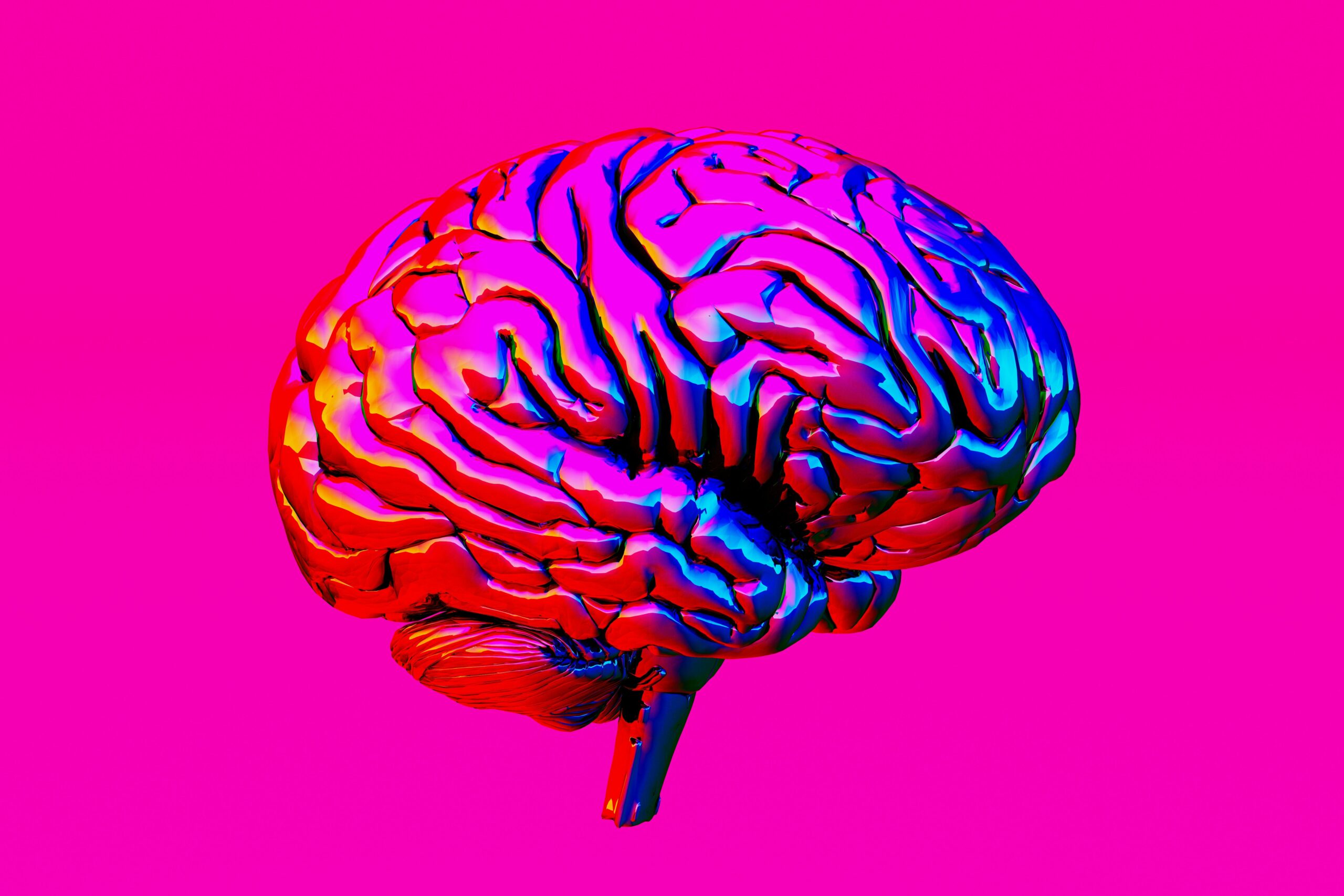
Ever catch yourself wondering if your brain’s future is already set in stone—like, is it all downhill after a certain age? Here’s the kicker: while age is the heavy hitter in the dementia risk game, turns out, your noggin’s longevity isn’t totally out of your hands. Sure, genes and some factors are off the table, but medical pros like Dr. Nilüfer Ertekin-Taner and Dr. Scott Kaiser suggest there’s a surprising amount you can do to stack the odds in your favor today, impacting the quality of your brain health years down the line. From heart health to social hangouts, there’s a treasure trove of simple, actionable tips that might just shave off nearly half your risk of dementia according to top-notch research. Curious to learn how tweaking your routine can keep your brain sharper longer? Let’s dive in. LEARN MORE
 7 min read
When it comes to brain health, some things are out of your control. Age is the biggest risk factor for developing dementia, according to the World Health Organization, and others such as genetics, early education, socioeconomic status, and gender all play a role. But the longevity of what’s in your noggin isn’t entirely out of your hands either, according to doctors.
“There are things that we can do to boost our brain health today that may have an impact later in life,” says Nilüfer Ertekin-Taner, MD, PhD, a neurologist at Mayo Clinic Hospital, who studies Alzheimer’s. In fact, one of the top medical journals The Lancet is constantly updating its list of modifiable risk factors that, when addressed, cumulatively add up to a whopping 45 percent reduced risk of dementia. They are up to 14 different addressable causes, with high LDL cholesterol and vision loss being the newest additions.
Mostly, taking care of your brain is really about taking care of your overall health. For example, things like excessive alcohol use and smoking affect brain health too, per The Lancet. Women are also more likely to develop Alzheimer’s, which makes prioritizing primary care, early screenings for any potential cognitive issues, and low thresholds for bringing concerns to your doctor all the more important, says Scott Kaiser, MD, a geriatrician and Director of Geriatric Cognitive Health for the Pacific Neuroscience Institute at Providence Saint John’s Health Center.
Meet the experts: Nilüfer Ertekin-Taner, MD, PhD, is a neurologist at Mayo Clinic Hospital in Jacksonville, FL, who studies Alzheimer’s. Scott Kaiser, MD, is a geriatrician and Director of Geriatric Cognitive Health for the Pacific Neuroscience Institute at Providence Saint John’s Health Center in Santa Monica, CA.
Keep reading for Dr. Kaiser’s and Dr. Ertekin-Taner’s top tips for better brain health. Many are closely related, so there are plenty that you can combine—like exercise and social activity—to get the benefits.
8 Simple Ways to Improve Your Brain Health Long Term
1. Stay on top of your *heart* health.
As the recent addition of high LDL cholesterol to The Lancet’s modifiable risk factors suggests, a lot of health considerations that are good for your heart are good for your brain, too.
There may be multiple reasons for this, says Dr. Ertekin-Taner. One of them is that the brain needs healthy vasculature to function, get nutrients, and remove toxins, she says. Plus, most diseases that are bad for the heart—diabetes, high cholesterol, and high blood pressure—increase the risk of dementia.
First, be sure to get annual check ups and take care of your heart, says Dr. Kaiser. You can also focus on following a heart-healthy diet like the Mediterranean diet (or even something called the MIND diet, which was specifically developed to promote healthy cognition) with limited red meat, green leafy vegetables, and foods high in antioxidants. One specific benefit of eating foods like berries, veggies, and nuts is that they’re high in phytonutrients that protect cells against oxidative stress, which is associated with Alzheimer’s, says Dr. Kaiser.
2. Plan 30 minutes of exercise, five days a week, if possible.
The CDC recommends that everyone gets 150 minutes of moderate to vigorous physical activity each week, and brain docs agree. “We know that physical activity and exercise is the closest thing we have to a miracle drug when it comes to brain health and healthy aging in general,” says Dr. Kaiser.
Just take a look at the research: Nearly twice as many inactive adults reported cognitive decline compared to those who were active in a 2020 study published in Preventative Medicine. And, exercise has been found to improve verbal fluency, memory recall, attention, and executive functioning according to a 2024 review in Trends In Neurosciences. The review says that more research is still needed to determine the optimal frequency and kind of exercise (whether it’s resistance training, aerobic exercise, or a combo of the two).
In the meantime, pick something you enjoy and that you’ll do consistently, says Dr. Kaiser. Going for a brisk 30-minute walk five days a week will provide benefits for not just your brain health, but also your overall well-being.
As for how exercise helps the brain, researchers hypothesize that it increases hippocampal volume, meaning it makes the part of your brain that deals with memory, learning, and decision making bigger.
Getting active can also help build strength and muscle and give you an excuse to be social, both of which have their own benefits for brain health, adds Dr. Ertekin-Taner.
3. Fill your social calendar with at least one gab session per week.
Interacting with people stimulates your brain, says Dr. Ertekin-Taner. This can improve language and memory skills and reduce stress, according to a 2022 study in The Lancet Healthy Longevity. The same study found that people who reported monthly or weekly interactions with family and friends were associated with slower memory decline and that those with higher feelings of loneliness tended to experience faster declines in global cognition and executive function.
To get a good measurement of your social interaction, do some reflecting, says Dr. Kaiser; recognizing that you don’t have enough interaction is the first step. Then, you can make a plan to form more connections, whether it’s reaching out to friends or family members to make plans more often or setting a goal to call one person a week.
One great way to get more social interaction is to volunteer. Weekly, monthly, and even annual engagement with a community group was associated with a slower memory decline, according to the same study.
4. Challenge your brain by learning something new every day.
Kind of like your muscles, the brain needs to be regularly used and challenged to keep it strong. Using your brain to read a book, solve a puzzle, or learn to play an instrument, for example, allows for neurons to make new memories, which creates a feedback loop of maintaining brain health, explains Dr. Ertekin-Taner. When you do an activity like write, paint, or solve a crossword, it literally leads to positive electrical and molecular changes in your brain.
Prioritize doing something you enjoy to make it more sustainable, says Dr. Ertekin-Taner. And, make sure you’re doing something that actually challenges you cognitively, not just teaches you to get better at a specific, repetitive task, adds Dr. Kaiser (like playing Candy Crush over and over.) This won’t actually help your brain make new memories, since you’re not learning anything new.
5. Stimulate all of your senses.
Using your senses is key to maintaining brain health. Sensory input—whether from jamming to a playlist, petting a furry friend, or literally stopping to smell the roses—not only stimulates the brain, but it also plays a big role in learning new things, which is important for healthy cognition, says Dr. Ertekin-Taner. One of the most important senses is hearing, which increases your risk of Alzheimer’s fivefold if not taken care of, according to a 2023 review in The International Journal of Molecular Sciences.
To ensure your senses are up to speed, it’s vital to stay up to date on your doctor’s appointments, especially when it comes to vision and hearing. You can also consider this your excuse to keep playing your favorite tunes, which has been found to improve outcomes like cognition, memory, and language in Alzheimer’s patients, according to a 2023 review in Alzheimer’s Research and Therapy.
6. Protect your head from injuries.
Moderate and severe traumatic brain injuries increase a risk of cognitive decline or dementia even years later by anywhere from two to four times, according to the Alzheimer’s Association. For this reason, it’s important to protect your head from traumatic injury as much as possible, both doctors agree.
You can do this in so many ways. Wear a helmet when biking or playing certain sports, per the CDC. Stay active to maintain strength and bone density, and try activities like yoga to improve your balance, says the NIH. And, be thoughtful about how you organize your home to minimize fall risk.
7. Turn off screens a few hours before bed.
Sleep plays a big role in brain health, so you’re going to want to prioritize not just sleep, but high quality sleep, says Dr. Kaiser. One thing that can interrupt your sleep quality is screen time in the hours before your head hits the pillow. Blue light that comes from screens like your phone, computer, or TV, has been found to decrease tiredness, sleep quality, and sleep duration, according to a 2022 review in Frontiers in Physiology. Shutting down devices or wearing blue light glasses starting three to four hours before bed is one way to prioritize sleep.
Another issue that gets in the way of quality sleep is too much light in general, and light pollution has been linked with Alzheimer’s. Make sure your room is dark with the help of blackout curtains or sleeping with an eye mask.
8. Consider a blood workup to check for any vitamin deficiencies.
As part of staying on top of your primary care appointments, work with your doctor to confirm you’re not deficient in any vitamins, says Dr. Ertekin-Taner. Not having sufficient nutrients can prevent neurons from transmitting messages and lead to cognitive challenges, she says.
Vitamins also play a role in your brain’s immune system and inflammation—and Alzheimer’s is characterized by problems in these areas. Depending on the results of your bloodwork, your doctor can make suggestions on dietary adjustments or supplements for a specific deficiency.
When it comes to taking vitamins and supplements outside of a deficiency, though, “There is no magic to this,” says Dr. Ertekin-Taner, who takes a multivitamin herself. “There are unfortunately many supplements and vitamins out there that are promoted as the cure [to cognitive decline], and we don’t have that.” Vitamins including C, D, E, and B12 have all been found to promote cognitive function, according to a 2021 review in the Journal of Clinical and Translational Research, as did omega 3 fatty acids, Lion’s Mane, and saffron.
If there’s one takeaway for brain health, it’s this: Don’t be afraid to go to the doctor. So many components of your brain are affected by other tenants that make up healthy living as a whole, and your doctor can help come up with a personalized plan, and even share options for treatment if you are struggling with cognitive decline. “Now, we have FDA-approved treatments and ways to reduce dementia risk that could make a difference,” Dr. Kaiser says.
Olivia Luppino is an editorial assistant at Women’s Health. She spends most of her time interviewing expert sources about the latest fitness trends, nutrition tips, and practical advice for living a healthier life. Olivia previously wrote for New York Magazine’s The Cut, PS (formerly POPSUGAR), and Salon, where she also did on-camera interviews with celebrity guests. She recently ran the New York City Marathon.

Dexcatly 2 Pack Cat Deterrent & Repellent Spray Anti-Scratch Training Aid | Furniture Protector for Sofa, Bed, Kitchen, Courtyard, Indoor & Outdoor Use, Pee Stopper, Non-Toxic & Safe
$21.99 (as of September 13, 2026 03:08 GMT +00:00 - More infoProduct prices and availability are accurate as of the date/time indicated and are subject to change. Any price and availability information displayed on [relevant Amazon Site(s), as applicable] at the time of purchase will apply to the purchase of this product.)
Apple AirPods Pro 3 Wireless Earbuds with Active Noise Cancellation | Live Translation, Heart Rate Sensing, Hearing Aid Feature, Bluetooth Headphones, Spatial Audio, USB-C Charging
$199.00 (as of September 13, 2026 03:10 GMT +00:00 - More infoProduct prices and availability are accurate as of the date/time indicated and are subject to change. Any price and availability information displayed on [relevant Amazon Site(s), as applicable] at the time of purchase will apply to the purchase of this product.)
Active Noise Cancelling Ear Buds Wireless Bluetooth Headphones 80H Playtime Display Charging Case 50dB ANC Over Ear Hooks Earbuds with Hi-Res Sound & Clear Calls for Sports Running Gym Workout Black
$89.99 (as of September 13, 2026 03:20 GMT +00:00 - More infoProduct prices and availability are accurate as of the date/time indicated and are subject to change. Any price and availability information displayed on [relevant Amazon Site(s), as applicable] at the time of purchase will apply to the purchase of this product.)
Wireless Earbuds Bluetooth Headphones, 54H Playtime Stereo Over Ear Buds with ENC Noise Cancelling, LED Power Display, IPX7 Waterproof Sport Earphones with Earhooks for Running/Workouts (Black)
$20.99 (as of September 13, 2026 03:20 GMT +00:00 - More infoProduct prices and availability are accurate as of the date/time indicated and are subject to change. Any price and availability information displayed on [relevant Amazon Site(s), as applicable] at the time of purchase will apply to the purchase of this product.)














Post Comment