
Binance Strikes Back: The Wall Street Journal’s Explosive Report Sparks High-Stakes Legal Battle and DOJ Firestorm

Binance — a giant in the crypto world — just threw down the gauntlet against The Wall Street Journal, suing them over an article they say is downright false and wrecking their hard-earned reputation. Now here’s a question to chew on: when does investigative journalism cross the line into misinformation that sparks government probes and shakes stakeholder confidence? The timing is wild — the lawsuit drops hot on the heels of reports that the US Justice Department is digging into allegations that Iran used Binance to dodge sanctions and fund militant groups, with billions flowing through thousands of accounts. Binance insists they’ve got a massive, robust compliance operation staffed with over 1,500 experts and cutting-edge tools — and they’ve already flagged and offboarded sketchy activity. But with senators poking around and internal whistleblowers allegedly sidelined, the drama is far from over. This battle isn’t just about headlines; it’s about trust, accountability, and the future of crypto’s role on the global stage. Ready to dive deeper? LEARN MORE
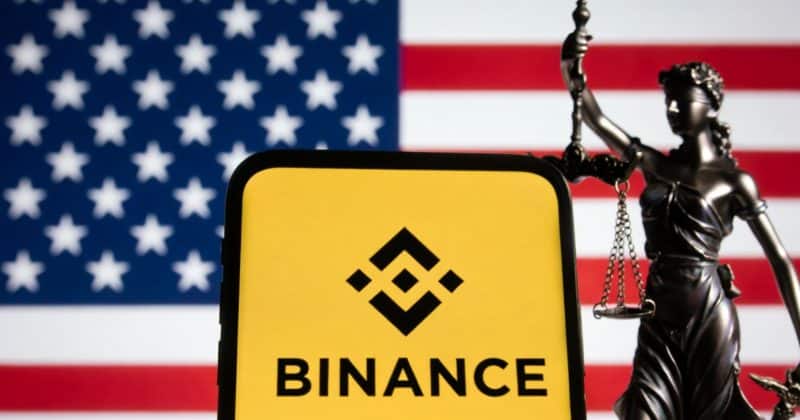
Binance is suing The Wall Street Journal over an article published on February 23, 2026, which the crypto exchange calls false and damaging to its reputation, according to a Wednesday blog post.
We have filed a complaint against the @WSJ for publishing a false and defamatory report, and to shine the light of truth.
We view this suit as a necessary step to defend ourselves against misinformation, hold the WSJ accountable for prioritizing clicks over journalistic… pic.twitter.com/c4BPAi95Kh
— Binance (@binance) March 11, 2026
The lawsuit was revealed shortly after the Journal reported that the US Justice Department launched an investigation into Iran’s alleged use of Binance to evade sanctions and aid militant entities.
The probe follows investigative reports from both the Journal and The New York Times in February, claiming that Binance maintained about 2,000 accounts associated with Iran and processed close to $2 billion in transfers.
The outlets also alleged that partners Hexa Whale and Blessed Trust helped route transactions tied to Iranian state entities and militant groups, while employees who raised concerns internally were said to have been suspended or fired.
An earlier report from Fortune noted that Binance dismissed several senior compliance investigators who uncovered potential Iranian sanctions violations involving over $1 billion in transactions using Tether from March 2024 to August 2025.
The reports led Richard Blumenthal, a US senator from Connecticut, to begin investigating Binance. In a letter to Binance CEO Richard Teng, he requested documentation on the transactions, potential crypto-linked money laundering, and the termination of staff who flagged concerns internally.
Binance has repeatedly pushed back against those allegations. In its latest statement, the exchange said that the WSJ reporting led to unnecessary government investigations and undermined stakeholder trust.
The company noted that its large-scale compliance program, with more than 1,500 employees and advanced risk monitoring tools, has achieved measurable reductions in sanctions and illicit exposure.
“Binance identified the suspicious activity connected to Iran based on information from external law enforcement combined with a thorough investigation. Binance also cooperated with law enforcement and offboarded the accounts, consistent with applicable law and with maintaining a robust and healthy compliance function,” the exchange wrote in the filing.
Binance said it will continue strengthening oversight and correcting misinformation affecting its 300 million users worldwide.

Samsung 65-Inch Class Crystal UHD U8000H Series Samsung Vision AI Smart TV (2026 Model, 65U8000H) Processor 4K, Endless Free Content, Motion Xcelerator, Color Booster, Alexa Built-in
$377.99 (as of September 27, 2026 03:25 GMT +00:00 - More infoProduct prices and availability are accurate as of the date/time indicated and are subject to change. Any price and availability information displayed on [relevant Amazon Site(s), as applicable] at the time of purchase will apply to the purchase of this product.)
Amazon Grocery, Two Bite Brownies, 11.4 Oz, Frozen
(as of September 27, 2026 03:05 GMT +00:00 - More infoProduct prices and availability are accurate as of the date/time indicated and are subject to change. Any price and availability information displayed on [relevant Amazon Site(s), as applicable] at the time of purchase will apply to the purchase of this product.)
Coca-Cola Zero Sugar Soda, 12 fl oz Cans, 12 Pack - Classic Cola Soft Drink Fridge Pack
$7.57 (as of September 27, 2026 03:05 GMT +00:00 - More infoProduct prices and availability are accurate as of the date/time indicated and are subject to change. Any price and availability information displayed on [relevant Amazon Site(s), as applicable] at the time of purchase will apply to the purchase of this product.)
Open Ear Wireless Earbuds Bluetooth Headphones, 80H Playtime Stereo Ear Buds with ENC Noise Cancelling, Fast Charging, IPX7 Waterproof Sports Earphones with Earhook for Running/Workouts (Black)
$26.98 (as of September 27, 2026 03:25 GMT +00:00 - More infoProduct prices and availability are accurate as of the date/time indicated and are subject to change. Any price and availability information displayed on [relevant Amazon Site(s), as applicable] at the time of purchase will apply to the purchase of this product.)













Post Comment