
Why Are Energy Drink Brands Betting Big on Women Now? The Untold Story Behind This Surge!
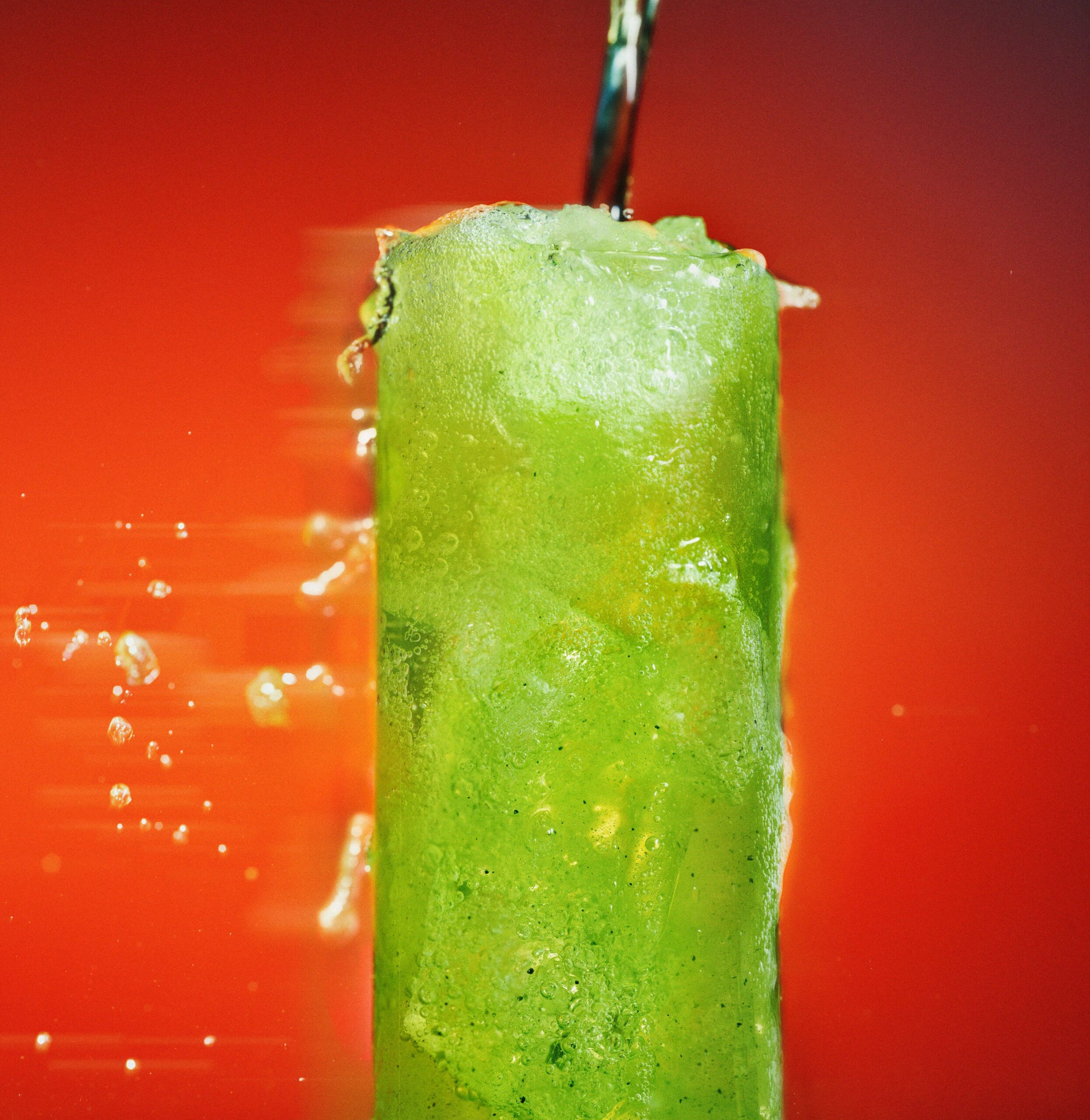
Ever noticed how your drink suddenly promises to-do-it-all—from calming your stress to building muscle—before you even sip it? Welcome to 2026, where beverages have leveled up big time. Now, caffeine-spiked energy drinks are making a loud comeback, but this time, with a serious glow-up aimed squarely at women. Pastel cans, health buzzwords, and a sprinkle of vitamins make these drinks look like your new wellness BFF—but are they really all that different from the energy drinks that once had us buzzing and jittering through wild 2000s parties? And with Kim Kardashian leading the charge on some brands, plus names like Unwell Energy and Drink FLRT hitting the shelves, the question begs: How did energy drinks go from villain to vogue again? Buckle up, because we’re diving deep into what’s really fueling this caffeinated comeback—and what you should know before cracking open that can. LEARN MORE
 10 min read
In 2026, beverages can do it all. Prebiotic sodas promise better digestion, adaptogen teas claim to help you manage stress, and protein water says it can help you build muscle. Now, functional beverages are being spiked with caffeine, putting energy drinks front and center—targeted specifically to women. It’s not just Celsius, either; Drink Update recently relaunched with Kim Kardashian at the forefront, Alex Cooper has Unwell Energy, Cure Hydration dropped an energy line, and Monster Energy has announced a new pinkwashed energy beverage called Drink FLRT. After years of testosterone-heavy marketing—and then losing their cool—how did energy drinks re-enter the chat?
For context, it wasn’t that long ago in the early 2000s when Red Bull was everyone’s favorite way to start a party and every extreme-sport athlete was sipping Monster or Rockstar. But in the decade that followed, research exploded on the safety of their ingredients when it came to cardiovascular and nervous system issues, and they became villainized, says Stephanie Militano, RD, a registered sports dietitian and founder of SM Nutrition. However, in the past couple of years, busyness, fatigue, and burnout have become normal, especially for women. These new brands found an untapped market at the intersection of hustle and wellness culture, Militano adds.
Now, energy drinks are being marketed to women in pastel-colored cans, claiming that they’re healthier than the OGs with health-forward buzzwords on their labels “claiming no sugar, natural energy, vitamins,” says Alex Larson, RDN, a registered sports dietitian and founder of Alex Larson Nutrition. Some of them even contain electrolytes. “They’re very much being marketed as an identity, saying, ‘Oh, if I drink these, I’m going to be healthy, I’m going to be productive,’” she adds.
The energy drink renaissance is here. And you probably have questions like: What’s actually in these drinks? Could they really be healthier than the old-school ones? And, wait, aren’t energy drinks still dangerous? Ahead, all of your energy Qs are answered by sports dietitians.
What’s in These New Energy Drinks
Stimulants
“Any energy drink, by definition, is going to have some sort of stimulant,” says Dana White, RDN, a sports nutritionist and athletic trainer in Fairfield, Connecticut. Many of these newer energy drinks contain green tea extract, coffee seed extract, or guarana, which are all safe sources of caffeine.
When it comes to the caffeine content, many of these drinks contain more than your average 8-ounce cup of drip coffee, which has about 95 milligrams. Cure’s energy line only has 100 milligrams of caffeine in a single packet, but some of the other brands are more on par with a 16-ounce Starbucks cold brew, which contains 205 milligrams. Celsius, Accelerator, and Ryde’s 2-ounce energy “shots” all have 200 milligrams per drink and Unwell and Gorgie have 150.
The max amount of caffeine that’s safe to consume per day should top out at 400 milligrams, says White, while Larson notes that it’s more like 200 to 300 milligrams (especially for those with cardiovascular challenges or who are pregnant). So, “two-hundred milligrams of caffeine is a pretty high dose to take in one shot,” Larson adds. It may cause jitters or make it hard to fall asleep, but it’s not necessarily harmful.
What may be dangerous, though, is if you consume a lot of other caffeine sources like coffee and pre-workout, as well as one of these energy drinks, all in a day’s work. “That’s where it can become a really slippery slope with energy drinks—they’re tasty, they typically are sweetened, and they just go down really easily,” says Militano. “That caffeine kind of sneaks up on you.”
Ashwagandha and L-Theanine
Some of these drinks also contain “calming agents” like ashwagandha (an herbal substance that may help relieve stress and anxiety) and L-theanine (an amino acid that may help with relaxation and focus), says White. She doesn’t think they belong in energy drinks, especially because we don’t know how the combination will be tolerated by people. “How can you have something that’s supposed to excite you and bring you up and that’s supposed to relax you and bring you down? That would be a red flag that I would look out for,” Militano adds.
Drink Update claims to be caffeine-free, but it contains paraxanthine, a stimulant related to caffeine that hasn’t been well-studied. “The idea behind using paraxanthine is to deliver caffeine’s performance and alertness benefits without as many of the side effects,” says Larson. But more research needs to be done, since paraxanthine has only been studied in animals. “I would suggest using it with extreme caution,” adds White.
Plus, it’s unclear whether the (small) dose of calming agents in these drinks is enough to help you feel, well, calm—especially when combined with caffeine. The benefits in research are linked to doses that “are much, much higher than what you’d see in the actual serving of the energy drink,” White adds.
And at the same time, if you’re taking medication for stress or anxiety, there’s a sliver of a chance that there could be interactions, since your serotonin and dopamine are already working with another agent. The mix of stimulants “can really play with your anxiety level, your stress level across the board,” Militano says. Plus, ashwagandha might affect thyroid function and has been linked to cases of thyrotoxicosis (when you have too many thyroid hormones) in research. If you’re pregnant or breastfeeding, you may want to avoid ashwagandha, adds Larson.
B Vitamins
Many of the energy drinks contain B vitamins, which can affect your metabolism and energy, according to a 2022 study in The Permanente Journal. However, the amounts in the drinks are so small that “they’re not necessarily going to increase your metabolism or give you energy unless you’re already very deficient,” says Larson. But as long as you’re regularly eating protein, veggies, fruits, and whole grains, you likely won’t be deficient.
On the flip side, there’s a (small) chance you could overload on vitamin B. “The amount in one can [of these specific brands] is not going to potentially be harmful,” it’s more about the cumulative effect of consuming a lot of B vitamins in this drink and in other sources throughout the day that could lead to toxicity, says White. Symptoms of toxicity vary depending on the vitamin, but for vitamin B6, for instance, you may experience sensory neuropathy, or numbness and tingling in the extremities. However, you’d have to consume a massive amount of vitamin B6 throughout the day to reach toxicity status.
Taurine
“Taurine is a pretty classic ingredient” in the OG energy drinks like Red Bull, and it’s also in Celsius, White says. It’s an organic compound that may have cardioprotective benefits, according to a 2023 review of taurine’s role in aging and cardiovascular health in Nutrients, but more research is needed. While it’s generally okay to consume, it’s been associated with gastrointestinal upset, according to the review.
Carbohydrates and Calories
A lot of these drinks contain little to no carbs—which is ironic because for true “energy,” you need carbs! “The zero carbs, the zero sugar, is definitely a marketing ploy,” Larson says. Plus, some of them contain artificial sugar to add sweetness, which can impact your GI tract, Militano adds. In fact, artificial sweeteners may disrupt the balance of your gut microbiome and cause inflammation, according to a 2025 review of articles on artificial sweeteners in Diseases.
The stimulants in energy drinks bind to receptors and give you a “neurological boost,” raising your heart rate, making you feel like you have energy, says White. But it doesn’t give you the fuel (calories and carbs) you need to produce ATP in your cells and promote muscle contractions. “They give you the illusion of energy,” she adds. “You can’t fuel a workout on a stimulant.”
Electrolytes
Some of the drinks also have a “reasonable amount” of potassium and sodium if you want to replenish sweat loss, says White. Unwell has 490 milligrams of sodium, 190 milligrams of potassium, and 65 milligrams of magnesium. Cure has 85 milligrams of sodium, 310 milligrams of potassium, and 1 milligram of calcium. Celsius contains 5 milligrams of sodium and 50 milligrams of calcium.
Still, you probably shouldn’t get electrolytes from an energy drink, because you don’t need the caffeine and other ingredients with them, and the types and doses of electrolytes found in energy drinks vary significantly, says White. Also, it’s truly not necessary to drink electrolytes unless you’re doing a sweaty, intense workout for at least an hour.
Alpha-GPC
Drink Update contains alpha-GPC, a compound similar to choline, which is “heavily related to the brain and brain development, focus, and cognition,” Militano says. There are some safety concerns with it. “But most of that data is linked to higher dosed, long-term usage,” White adds.
A 2021 study in JAMA Network had individuals over 50 without underlying stroke, Alzheimer’s disease, or cerebrovascular disease take Alpha-GPC either for less than 2 months, 2 to 6 months, 6 to 12 months, and more than 12 months (there was also a control group who didn’t take it). Taking alpha-GPC was significantly associated with a 10-year incident stroke risk, and individuals who took it had a 46 percent higher risk of stroke than those who weren’t.
Energy Drinks and Exercise
It’s not uncommon to knock an energy drink back before or during a workout—but this can actually be super dangerous. “Caffeine has been shown to raise the heart rate and blood pressure, and those effects from large energy drinks can linger for 90 minutes or longer,” says Larson. The risk may be higher if you stack multiple caffeine sources together, like coffee and pre-workout, throughout the day. “The risk mainly comes from a high stimulant load combined with the increased cardiac demand from training,” Militano adds.
There’s been a fair amount of research done on this topic: A 2021 study in Cardiology had 44 healthy adults between 23 and 27 years old undergo cardiovascular testing (heart rate and blood pressure measurements, electrocardiograms, and ultrasounds of their endothelial systems) before and after consuming energy drinks, and their blood pressure and heart rates stayed elevated 90 minutes after consumption. The study concluded that energy drinks are associated with acute significant impairment in endothelial function, and endothelial dysfunction has been associated with future cardiovascular events.
Additionally, an older paper in Current Sports Medicine Reports also cited that energy drinks may have other cardiovascular effects such as arrhythmias, coronary artery spasms, thrombosis, and dissections, and even sometimes sudden cardiac death.
If you have a cardiovascular condition, like atrial fibrillation or high blood pressure, it’s best to chat with your doctor to hear their thoughts on caffeine usage and exercise.
Should you drink up?
It’s hard to answer the question of whether these new drinks are truly “healthier” than the OGs. “They’re not necessarily better for you, but they certainly are promoted as such,” White says. Plus, they’re all basically versions of the same drink since they have similar ingredients.
While the ingredients may not be harmful for *most* people, “you shouldn’t be getting your multivitamin with your energy drink, in my opinion—I feel like it’d be better to separate those things out.” The experts don’t like when there’s too many ingredients in a drink. “It’s almost like it’s trying to be a supplement and an energy drink,” Larson says.
Your Guide to Choosing a Caffeine Source
If you need caffeine to wake you up before you go-go, experts recommend sticking to coffee and tea because we know what’s in it, and it’s cheaper, especially if you make it at home. “There’s a lot of healthier ways that people can go about [getting caffeine] than using these falsely marketed energy drinks,” Larson says.
But if you don’t like coffee, it’s fine to sip on an energy drink. In fact, Larson drinks an energy bev for that reason, and she likes V8 energy because the ingredient list is pretty tame. While it does have some vitamins, it’s mostly just juice and caffeine (80 milligrams). “My stance is not to never drink them, but it’s certainly to be conservative about it,” White adds.
Ideally, just like with any new supplement, you check in with your doc before trying one of these drinks, especially if you’re on any prescription medications. If you get the okay, here’s how to find the right one:
1. Scan the label.
Typically, “the simpler the ingredient list, the better off you are,” White says. For instance, Cure’s powder had L-Theanine and other ingredients you’d want to pay attention to, but it had the simplest ingredient list without the laundry list of vitamins and minerals, and lowest caffeine dose (100 milligrams).
Also, be wary of the drinks that mention a “proprietary blend” on the label, or that “lists the ingredients, but they don’t necessarily list the dose,” like Celsius, Militano says. The label basically says, “This is our secret sauce and we can’t really share it,” she adds.
2. Think about your goals.
It’s all about “finding one that works best for you and your goals,” says Militano. If you do sweaty workouts, go for Unwell since it has the most electrolytes. If you don’t tolerate caffeine well, go for an energy drink with 100 to 120 milligrams. But if you want more of a punch, “going a little bit higher is okay, just not relying on it heavily every day or multiple times a day is important,” she adds. Larson says that she’d go with Unwell or Celsius, but they still contain a lot of caffeine, so she’d probably drink it throughout the day.
3. Be mindful of your caffeine intake.
White recommends drinking at most one can of an energy bev a day, or even swapping a can every other day with coffee. Try not to take in more than 400 milligrams of caffeine per day, and wrap up your caffeine intake by 1 or 2 p.m. so you can sleep, Larson adds.
4. Eat well.
Additionally, make sure to eat while sipping your energy drink, especially before a workout, White says. White suggests eating a balanced meal with carbs, protein, and healthy fats, like yogurt and granola, about two to three hours before your workout. (Chugging one right before a workout may make you feel not great, since many of the energy drinks are carbonated, Militano adds.)
However, it’s also worth thinking about why you need caffeine. “A big problem I see with energy drinks just across the board, they’re typically a bandaid for lack of sleep and poor nutrition,” says Militano. It’s easy to fall behind on sleep, relaxing, and eating healthily—which are the habits that actually support brain focus and development. Also, think of your other hydration and fuel habits—is it replacing your water intake or proper breakfast or lunch? If so, maybe focus on bettering those habits before jumping to caffeine.
Meet the experts: Stephanie Militano, RD, is a registered sports dietitian and founder of SM Nutrition. Alex Larson, RDN, is a registered sports dietitian and founder of Alex Larson Nutrition. Dana White, RDN, is a sports nutritionist and athletic trainer in Fairfield, Connecticut.
Addison Aloian is the associate health & fitness editor at Women’s Health, where she writes and edits across the health, weight loss, and fitness verticals. She’s also a certified personal trainer through the National Academy of Sports Medicine (NASM). In her free time, you can find her lifting weights at the gym, running on the West Side Highway in New York City—she recently completed her first marathon, the 2025 New York City Marathon—and watching (and critiquing!) the latest movies that have garnered Oscars buzz. In addition to Women’s Health, she’s made an appearance on the Oprah Podcast and her work has also appeared in Allure, StyleCaster, L’Officiel USA, V Magazine, VMAN, and more.
Native Pet Hairball Treatment for Cats - Chicken Flavored Hairball Treats | 30-day supply dual-texture chew, NASC certified hairball treats for cats, cat hairball remedy & hairball control supplement
$19.99 (as of October 9, 2026 03:20 GMT +00:00 - More infoProduct prices and availability are accurate as of the date/time indicated and are subject to change. Any price and availability information displayed on [relevant Amazon Site(s), as applicable] at the time of purchase will apply to the purchase of this product.)
Ring Outdoor Cam (Stick Up Cam), Weather-Resistant Home or Business HD Security Camera, Live View, Color Night Vision, Two-Way Talk, Motion Alerts, Works with Alexa, White
$79.99 (as of October 9, 2026 03:11 GMT +00:00 - More infoProduct prices and availability are accurate as of the date/time indicated and are subject to change. Any price and availability information displayed on [relevant Amazon Site(s), as applicable] at the time of purchase will apply to the purchase of this product.)
The Farmer's Dog Human-Grade Crunchy Dog Biscuits, Peanut Butter & Pumpkin | All-Natural Dog Treats Made with Real Ingredients For Puppies and Adult Dogs, For All Ages, Sizes and Breeds
$10.11 (as of October 9, 2026 03:20 GMT +00:00 - More infoProduct prices and availability are accurate as of the date/time indicated and are subject to change. Any price and availability information displayed on [relevant Amazon Site(s), as applicable] at the time of purchase will apply to the purchase of this product.)
Blink Outdoor 4 and Wired Doorbell 2K+ (newest model) — Two-year battery 1080p cameras and 2K hardwired doorbell. Sync Module Core included — 5 Cameras + Doorbell (Black)
$299.99 (as of October 9, 2026 03:29 GMT +00:00 - More infoProduct prices and availability are accurate as of the date/time indicated and are subject to change. Any price and availability information displayed on [relevant Amazon Site(s), as applicable] at the time of purchase will apply to the purchase of this product.)












Post Comment