
SEC Drops Fraud Charges Against BitClout Founder—What This Shocking Reversal Means for Crypto Investors and the Future of Decentralized Platforms

Ever wonder what happens when a high-profile blockchain founder, wrapped in the allure of decentralization, finds himself in a legal tango with the SEC—and then walks away unscathed? That’s exactly the twist in the saga of Nader Al-Naji, the mind behind BitClout (now known as DeSo). Originally thrust into the limelight with allegations of unregistered securities offerings and shaky fund usage, Al-Naji’s journey reads like a rollercoaster through the wild west of crypto innovation and regulatory scrutiny. The SEC’s surprising decision to dismiss its civil fraud lawsuit against him has left many scratching their heads—was it a misstep, a recalibration, or something more complex beneath the surface? In a world where the lines between trust, transparency, and technology blur, this case sparks the question: Can decentralization really dodge the long arm of the law, or is every new frontier destined to face the same old reckonings? Let’s dive deeper into this intriguing saga. LEARN MORE

The US Securities and Exchange Commission has agreed to dismiss its civil fraud lawsuit against Nader Al-Naji, the founder of the BitClout blockchain project, now DeSo, according to a joint stipulation filed this week in the Southern District of New York.
The SEC originally filed the lawsuit in July 2024, accusing Al-Naji of conducting an unregistered securities offering through the sale of BTCLT, the native token of BitClout.
Al-Naji allegedly marketed BitClout as a decentralized project with no central operator, even launching the platform under the pseudonym “Diamondhands.” The SEC claimed that despite these claims, he maintained control over token issuance, pricing, and the treasury wallet holding investor funds.
The complaint also alleged that Al-Naji misused investor funds, spending millions on personal expenses, including luxury housing and transfers to family members, while publicly stating that treasury funds would not be used for personal compensation.
In the joint stipulation, the SEC said it reevaluated the evidentiary record and circumstances of the case and decided dismissal was appropriate. The parties agreed to dismiss the litigation with prejudice for the conduct alleged in the complaint.
Al-Naji founded BitClout in 2021 as a decentralized, Twitter-like platform where users could invest in tokens representing social influence. The project received funding from top venture investors such as a16z, Sequoia, and Coinbase Ventures.
After facing criticism for scraping user data and questions about its decentralization, as well as legal challenges, the platform was renamed DeSo (Decentralized Social).
Prior to BitClout, Al-Naji launched Basis, an algorithmic stablecoin project that secured more than $133 million from prominent investors, including Bain Capital Ventures, a16z, and Lightspeed in 2018.
Kevin Warsh, Donald Trump’s Fed chair pick, participated in the round as an angel investor but exited the project later that year when the project shut down.

Amazon Echo Dot (newest model) - Vibrant sounding speaker, Designed for Alexa+, Great for bedrooms, dining rooms and offices, Charcoal
$79.99 (as of October 19, 2026 03:22 GMT +00:00 - More infoProduct prices and availability are accurate as of the date/time indicated and are subject to change. Any price and availability information displayed on [relevant Amazon Site(s), as applicable] at the time of purchase will apply to the purchase of this product.)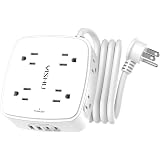
YISHU 6Ft Surge Protector Power Strip with 8 Widely Outlets & 4 USB Ports | 3 Side Outlet Extender with 6 Feet Extension Cord, Flat Plug, for Home, Office, College Dorm Room Essentials
$11.99 (as of October 19, 2026 03:22 GMT +00:00 - More infoProduct prices and availability are accurate as of the date/time indicated and are subject to change. Any price and availability information displayed on [relevant Amazon Site(s), as applicable] at the time of purchase will apply to the purchase of this product.)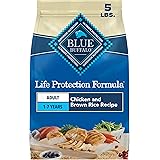
Blue Buffalo Life Protection Formula Chicken Adult Dry Dog Food, 5 lb | Real Chicken #1 Ingredient, Supports Immunity with Antioxidant-Rich LifeSource Bits, Promotes Healthy Muscle Development
$14.97 (as of October 19, 2026 03:12 GMT +00:00 - More infoProduct prices and availability are accurate as of the date/time indicated and are subject to change. Any price and availability information displayed on [relevant Amazon Site(s), as applicable] at the time of purchase will apply to the purchase of this product.)
Amazon Brand - Happy Belly Dark Roast Coffee Pods, French Roast, Compatible with Keurig 2.0 K-Cup Brewers, 100 Count
$20.38 (as of October 19, 2026 03:10 GMT +00:00 - More infoProduct prices and availability are accurate as of the date/time indicated and are subject to change. Any price and availability information displayed on [relevant Amazon Site(s), as applicable] at the time of purchase will apply to the purchase of this product.)














Post Comment