
Carmelo Anthony’s Hidden Injury: The Shocking Setback That Could Have Changed His Career Forever
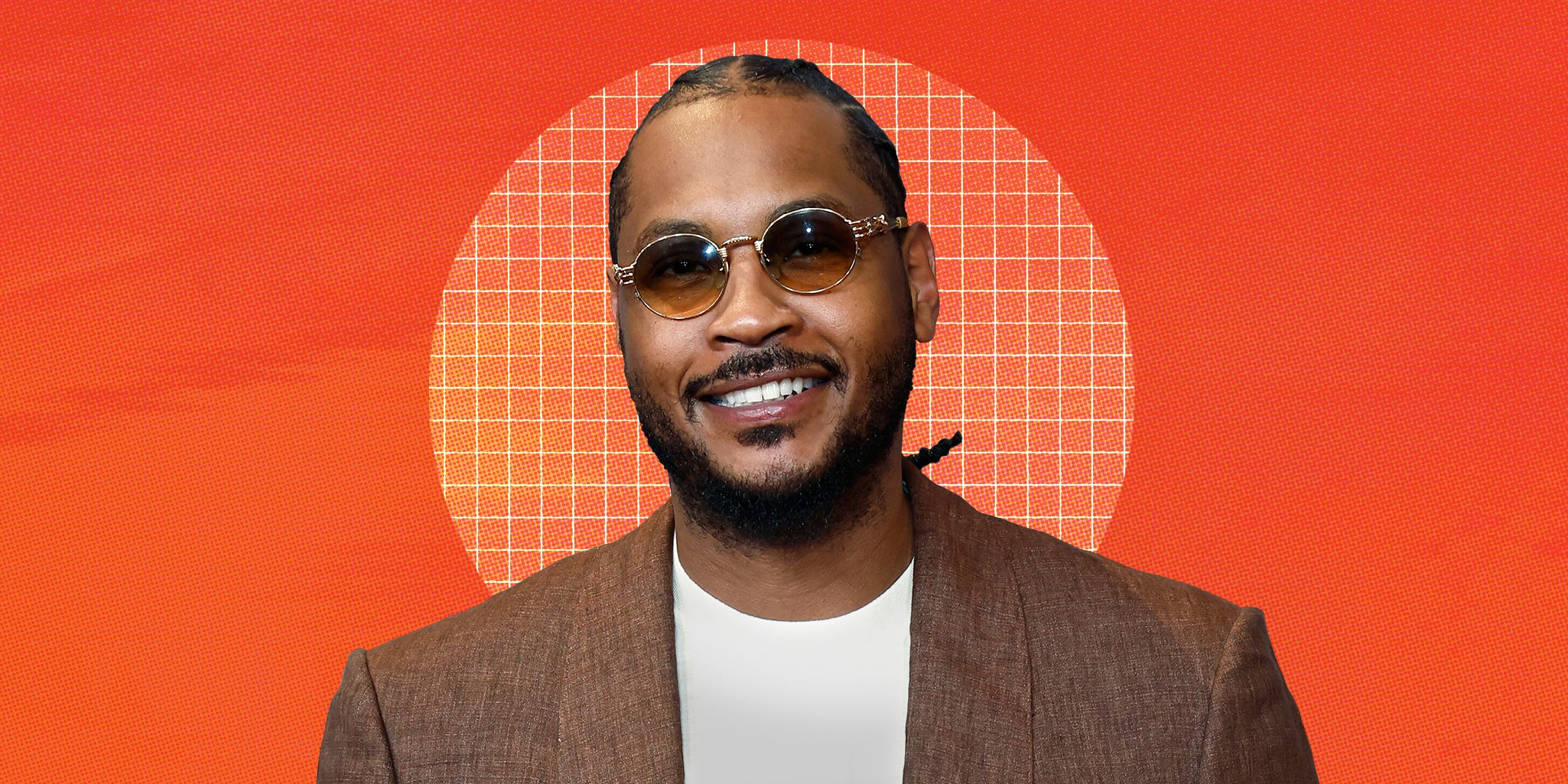
Ever wonder what really goes on behind the scenes when March Madness heats up? It’s not just buzzer-beaters and slam dunks—there’s a grueling mental and physical marathon these athletes endure that most of us barely glimpse. I mean, how do players like Carmelo Anthony not only survive but thrive in such relentless conditions? And when you toss in the evolution of sports science, recovery rituals, and next-gen performance tracking—especially with his son Kiyan now stepping into those legendary Syracuse shoes—it’s a game-changer. Join me as we dive into a candid convo featuring Melo, sports medicine ace Dr. Omri Ayalon, and Men’s Health’s own Rich Dorment, unpacking everything from secret injuries to the future of orthopedic breakthroughs. Curious yet? Buckle up, because this isn’t your average sports chat. LEARN MORE
 3 min read
PSGM
With March Madness in full swing, one thing people tend to forget is just how intense the sport can be on its players, both physically and mentally. To understand the resilience that basketball requires—and to celebrate the tournament—host and editorial director of Men’s and Women’s Health Rich Dorment sits down with hall-of-famer and NBA legend Carmelo Anthony for the latest episode of The Future You.
Before Anthony became a 10-time All Star, he was a freshman phenom at Syracuse, leading the Orange to the 2003 national championship. More than two decades later, his son, Kiyan, is playing for the same team, yet navigating a completely different world of sports science, recovery protocols, and performance tracking.
Anthony and Dorment are joined by Omri Ayalon, MD, a leading sports medicine specialist from NYU Langone, for a conversation about the demands of the sport—and the tips and tools we all can use to reach and maintain peak performance.
Here’s a look at some of the what’s covered in the episode:
What Training Was Like When Anthony Was a Freshman at Syracuse
The prevailing narrative at the time was “the more you play, the better you’ll be” and five-on-five and one-on-one training was prioritized, Anthony says. And while they did focus on nutrition and recovery, it wasn’t quite as nuanced as it is today.
The Injury That Anthony Previously Kept Secret
“I broke my foot in that summer going into my freshman year at Syracuse, but I kept it hush,” Anthony says. “Nobody really knows.” It stuck with him throughout his career and he learned a couple of important lessons from the experience.
How Much of Injury Prevention Is Genetic vs Something We Can Control
Dr. Ayalon says the truth is that it’s a combination of these factors, with some people predisposed to certain injuries. For example, if a female athlete has a predisposition to an ACL injury, there are things she can do in training to prevent that.
Why Achilles Injuries Seem to Be On the Rise—and How to Prevent Them
The reality is that—for pros and mortals alike—tendons become more brittle with age, but you can prevent injuries by exercising consistently (versus being a “weekend warrior” who’s sedentary all week then goes all-out on the weekend) as well as focusing on eccentric exercises, and possibly considering a few other treatments.
How Parents Can Protect Kids From Sports-Related Injuries
Dr. Ayalon says he’s seeing younger kids with repetitive-use injuries, possibly due to specializing in a sport at a young age. His advice is to create a culture of openness where kids don’t feel like they have to “push through” and in which they can pivot to working out in a different way.
How Dr. Ayalon Ranks Recovery Modalities
Other than things like sleep and hydration, active recovery (think: slow laps in the pool or easy cycling) tops his list, followed by modalities like ice, heat, and contrast therapy. Still, what works for one athlete may not work for all so there’s some degree of trial and error involved in finding the best way to recover for you.
The Advice Anthony Would Give His 18-year-old Self
It’s “to be intentional with your workout, to be efficient with your workout.” He was never the guy in the gym for four or five hours—instead he believes in a high-impact hour to 90 minutes, possibly with a follow-up session later in the day. “That’s what I teach my son today,” he says.
The Best Advice Dr. Ayalon Gives His Athletic Patients
One key: Do exercises that take you through all planes of motion since many sports are unpredictable. He sees some athletes today prioritizing rotational core exercises, for example, which is smart because motion and stability start in the core. Another tip is to focus on the entire body and every joint that’s going to see stress, including things like the ankle joint.
What Dr. Ayalon Is Most Excited About In the Field of Orthopedics
Athletes are recovering faster than they have in the past in part thanks to newer and more minimally invasive surgical techniques, he says, adding that the field of biologics, PRP, and 3D-printed splints and casts are also exciting.
What Greatness in Basketball Looks Like to Anthony
“When I was [Kiyan’s] age, greatness to me was championships, which it is, it’s dependent on greatness, but it’s not the end all or be all,” Anthony says, adding that now, greatness includes longevity and enjoying the journey.

Caitlin is a health and fitness journalist based in New York City. She writes for publications including The Wall Street Journal and Runner’s World. She’s completed 12 marathons, including the six World Marathon Majors, is semi-fluent in French, and volunteers as a greeter on The High Line. Follow her on Instagram or LinkedIn.
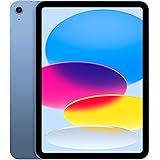
Apple iPad 11-inch: A16 chip, 11-inch Model, Liquid Retina Display, 128GB, Wi-Fi 6, 12MP Front/12MP Back Camera, Touch ID, All-Day Battery Life — Blue
$399.99 (as of October 20, 2026 03:22 GMT +00:00 - More infoProduct prices and availability are accurate as of the date/time indicated and are subject to change. Any price and availability information displayed on [relevant Amazon Site(s), as applicable] at the time of purchase will apply to the purchase of this product.)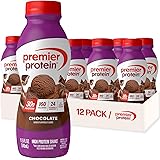
Premier Protein 30g High Protein Shake, Chocolate, 12 Pack | 160 Calories, 24 Vitamins & Minerals, No Added Sugar, Supports Muscle Health, Gluten-Free, 11.5 oz
$19.99 (as of October 20, 2026 03:12 GMT +00:00 - More infoProduct prices and availability are accurate as of the date/time indicated and are subject to change. Any price and availability information displayed on [relevant Amazon Site(s), as applicable] at the time of purchase will apply to the purchase of this product.)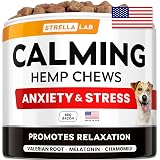
STRELLALAB Hemp Calming Chews for Dogs - Stress, Anxiety Relief Treats | Advanced Relaxing Support Supplement w/ Melatonin - Separation, Barking, Fireworks & Travel - All Breeds, Sleep Aid (120Ct)
$17.91 (as of October 20, 2026 03:22 GMT +00:00 - More infoProduct prices and availability are accurate as of the date/time indicated and are subject to change. Any price and availability information displayed on [relevant Amazon Site(s), as applicable] at the time of purchase will apply to the purchase of this product.)
Amazon Kindle 16GB (newest model), Now thinner, lighter, and faster, 6" display, Ube
$149.99 (as of October 20, 2026 03:33 GMT +00:00 - More infoProduct prices and availability are accurate as of the date/time indicated and are subject to change. Any price and availability information displayed on [relevant Amazon Site(s), as applicable] at the time of purchase will apply to the purchase of this product.)








Post Comment