
From Storage Sheds to Million-Dollar Storefronts: The Untapped Goldmine Entrepreneurs Are Seizing Now
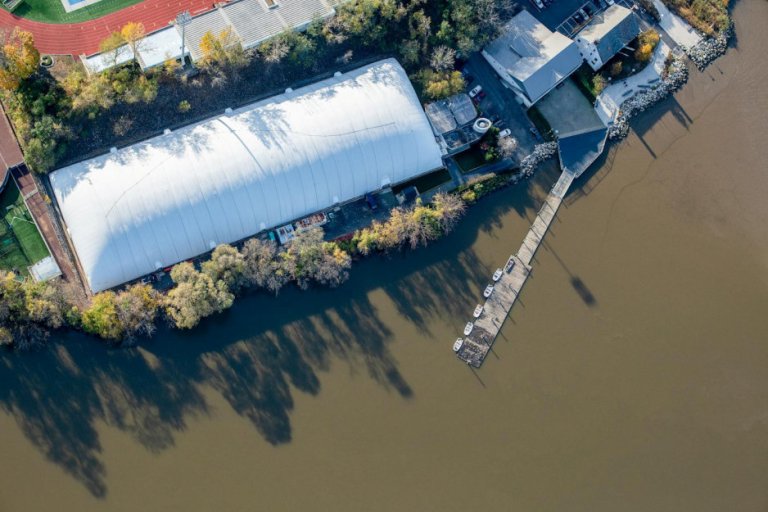
Ever glanced at one of those humble fabric structures and thought, “Yeah, that’s just for storage, nothing fancy”? Well, buckle up — because those no-nonsense fabric shells are having a full-on business makeover. Imagine transforming a plain ol’ fabric building into a buzzing retail hub, a cozy outdoor dining spot, or even a mobile office that can pick up and move with your business wherever opportunity knocks. It’s wild how entrepreneurs are flipping the script, seeing beyond the utilitarian to unlock a world of possibilities right under that translucent canopy.
Why stick with the brick-and-mortar grind when these flexible, cost-effective fabric structures snap together quickly and adapt like chameleons? Whether it’s hosting community events or running a pop-up shop, these spaces aren’t just backdrops — they’re game changers. So, what if the next big step for your business is hiding in plain sight, sewn from tough fabric and steel frames? Let’s unravel the innovative ways fabric buildings are shifting from silent storage units to vibrant storefronts and gathering places that truly speak to customers.

Key Takeaways
- Fabric structures have evolved from simple storage solutions into versatile business spaces across multiple industries.
- They offer a cost-effective and flexible alternative to traditional buildings, allowing businesses to scale and adapt easily.
- Entrepreneurs are using these structures creatively for retail shops, dining areas, event venues, and service centers.
- Mobility and quick setup make fabric buildings ideal for businesses that need to respond to changing demand and locations.
- With thoughtful design, fabric structures can deliver professional, customer-facing environments that enhance brand experience.
You’ve probably seen fabric structures used for storage. They sit in open lots or behind warehouses, quietly doing their job. At first, they seem purely practical. No flair. No real business appeal. But that perception is changing fast.
Entrepreneurs now see these structures as versatile assets. They’re using them for retail, events, dining, and services. Instead of being limited to backup storage, you can put fabric buildings to work in ways that connect directly with customers. Let’s walk through how business owners are using these spaces creatively and profitably.
Storage Solutions
A fabric building is one of the most dependable options for storage. You can use it to house equipment, seasonal inventory, or bulk supplies. It’s quick to set up, cost-effective, and easy to expand when demand grows.
Entrepreneurs often worry about whether stored goods will stay protected in varying conditions. Choosing a commercial fabric building from a trusted manufacturer addresses that concern by offering durability, weather resistance, and reliable safeguards. With that assurance, your storage setup is secure enough to protect the assets your business relies on every day.
Retail Shops
Fabric buildings aren’t limited to storage. They can serve as retail spaces too. Entrepreneurs use them to set up pop-up shops, seasonal outlets, or even permanent storefronts. The structures are adaptable, giving you room to design layouts that guide customers through displays and products.
When stability is a concern, tensioned fabric structures offer a solution. Their galvanized steel frame provides strength while keeping the setup flexible, so you don’t need heavy construction to create a welcoming shop. Instead, you focus on interior details like lighting, shelving, and branding. With the right design, the space feels intentional and professional. Customers see a unique retail environment, not just a fabric shell.
Outdoor Dining Spaces
Food entrepreneurs are also getting creative. You can turn a fabric structure into an outdoor dining area. This works well for cafes, food stalls, and small restaurants that need extra seating. You create a comfortable environment with proper ventilation and lighting. Add tables, signage, and stylish décor, and customers get a relaxed dining experience without the need for major construction.
The challenge is making the space usable across seasons while keeping expenses under control. A fabric building designed with energy efficiency in mind helps solve that issue, offering reliable protection from the elements and reducing utility costs. That way, your dining area stays inviting year‑round while remaining practical to operate.
Venues for Events and Community Experiences
Entrepreneurs are finding new ways to repurpose fabric structures beyond storage and retail. With the right design, these spaces can transform into venues for workshops, small concerts, or community events, adding a fresh dimension to the business model.
Hosting events creates opportunities to connect with audiences in more meaningful ways. You’re offering experiences, not just transactions, which builds loyalty and draws new visitors. More than just a venue, thoughtfully designed event spaces become a focal point for the community.
Service Centers
Service‑based businesses can also benefit from fabric structures. You can use them as service centers, making it easier to offer services like tech support kiosks, tailoring and alterations, or even pet grooming stations.
This setup naturally reduces overhead since you don’t need a fixed office. Instead, you operate where demand exists, focusing on high‑traffic areas. With durable designs that support consistent operations in different environments, your business becomes more accessible and visible while maintaining smooth service.
Mobile Offices
Fabric buildings can serve as mobile offices. Entrepreneurs use them as flexible workspaces that move with demand. You set up quickly, add basic utilities, and create a professional environment without the cost of a permanent site. The structures adapt to different industries, from construction to consulting.
This approach keeps overhead low while giving you room to expand. You can relocate as projects shift, or set up in high-traffic areas to stay close to clients. With the right layout, your office feels intentional and efficient. Customers and partners see a professional space that supports your business wherever it goes.
Agricultural Hubs
In agriculture, fabric buildings fit naturally as produce stands, nurseries, or farm‑to‑market hubs. The structures protect plants and goods from harsh weather while giving you a flexible space to sell directly to customers. With simple ventilation and climate control, you keep products fresh and create a reliable point of sale.

You can expand seasonally or combine storage with retail. Customers appreciate the convenience of buying fresh goods in a dedicated space. By using fabric buildings, you build a professional presence without the expense of a permanent facility.
Fitness and Recreation Spaces
Another smart use is fitness and recreation. Entrepreneurs turn fabric structures into gyms, training centers, or indoor sports courts. The open floor plan makes it easy to install equipment or mark out play areas. You can host classes, leagues, or private training sessions.
Durable materials and smart design make these spaces adaptable year‑round. Add proper flooring, lighting, and ventilation to create a comfortable atmosphere that supports a wide range of activities. Whether you’re offering yoga, basketball, or strength training, the structure aligns with your vision. It’s an affordable way to build a recreational business that attracts attention and draws people in.
Final Thoughts
You don’t need to follow a traditional path to build a strong business presence. Fabric structures give you options that are both practical and creative. You can adapt them to fit your goals, whether you’re selling products, offering services, or hosting events.
When you start thinking beyond storage, new opportunities open up. You turn a simple structure into a tool for growth. And with the right approach, that tool can help you reach customers in ways you may not have considered before.
FAQs
What are fabric structures used for in business?
Fabric structures are used for a wide range of business purposes, including storage, retail, dining, events, and service operations. Their flexibility allows entrepreneurs to customize the space based on specific needs. This makes them suitable for both temporary and long-term applications.
Are fabric buildings durable enough for commercial use?
Yes, modern fabric buildings are designed with durable materials such as tensioned fabric and steel frames. They are built to withstand weather conditions and provide reliable protection for goods and operations. Choosing a high-quality manufacturer ensures long-term performance and safety.
Can fabric structures be used as permanent business locations?
Fabric structures can serve as permanent or semi-permanent business spaces depending on local regulations and design specifications. Many businesses use them as long-term solutions due to their cost efficiency and adaptability. Proper setup and maintenance are key to maximizing their lifespan.
How do fabric buildings help reduce business costs?
They typically require lower upfront investment compared to traditional construction and can be installed quickly. Operating costs may also be reduced through energy-efficient designs and minimal maintenance needs. This allows businesses to allocate more resources toward growth and operations.
What industries benefit most from fabric structures?
Industries such as retail, agriculture, food service, fitness, and event management commonly benefit from fabric structures. Their versatility makes them useful in both customer-facing and operational roles. Businesses that need flexibility and scalability often find them especially valuable.

JBL Vibe Beam 2 - Noise Cancelling Earbuds - Black | JBL Pure Bass sound, Active Noise Cancelling with Smart Ambient, 4 mics for crisp, clear calls, Water and dust resistant
(as of October 4, 2026 03:18 GMT +00:00 - More infoProduct prices and availability are accurate as of the date/time indicated and are subject to change. Any price and availability information displayed on [relevant Amazon Site(s), as applicable] at the time of purchase will apply to the purchase of this product.)
Dog Teeth Cleaning Powder, Dog Dental Powder, Dog Dental Care, Targets Tartar & Bad Breath & Reduces Plaque, Dental Powder for Dog Teeth Cleaning, Green
$20.99 (as of October 4, 2026 03:14 GMT +00:00 - More infoProduct prices and availability are accurate as of the date/time indicated and are subject to change. Any price and availability information displayed on [relevant Amazon Site(s), as applicable] at the time of purchase will apply to the purchase of this product.)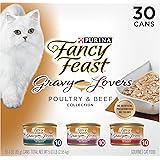
Purina Fancy Feast Gravy Lovers Wet Cat Food, 3 oz Cans, 30-Pack | Variety Pack with poultry and beef grilled gourmet recipes, made with no artificial colors or preservatives
$28.06 (as of October 4, 2026 03:10 GMT +00:00 - More infoProduct prices and availability are accurate as of the date/time indicated and are subject to change. Any price and availability information displayed on [relevant Amazon Site(s), as applicable] at the time of purchase will apply to the purchase of this product.)
Open Ear Wireless Earbuds Bluetooth Headphones, 80H Playtime Stereo Ear Buds with ENC Noise Cancelling, Fast Charging, IPX7 Waterproof Sports Earphones with Earhook for Running/Workouts (Black)
$26.98 (as of October 4, 2026 03:26 GMT +00:00 - More infoProduct prices and availability are accurate as of the date/time indicated and are subject to change. Any price and availability information displayed on [relevant Amazon Site(s), as applicable] at the time of purchase will apply to the purchase of this product.)














Post Comment