
Malaysia’s GDP Surges While Inflation Stays Tamed—Here’s What Smart Investors Need to Know Now!

Ever wonder how Malaysia keeps its economic engine humming strong amidst global jitters and oil price spikes? Well, their secret sauce might just be a potent mix of booming electrical and electronics exports fueled by the surge in artificial intelligence, plus a steady beat from domestic construction and spending. DBS Group Research is calling for a solid 5.5% growth in Malaysia’s 1Q26 GDP — a tad shy of last quarter’s 6.3%, yet still impressively resilient considering the recent Middle East tensions. Oh, and inflation? It’s creeping up just slightly to 1.7%, but the government’s fiscal cushioning keeps things from spinning out of control. If you thought AI was just a tech buzzword, think again — it’s riding shotgun, propelling Malaysia forward in ways that demand closer attention. Curious how this all ties together? Dive deeper here: LEARN MORE.

DBS Group Research expects Malaysia’s 1Q26 advance Gross Domestic Product (GDP) to grow 5.5% year-on-year, slightly below 6.3% in 4Q25 but still robust. Growth is seen supported by export-oriented electrical and electronics manufacturing, global AI tailwinds, construction and domestic demand. Headline inflation is projected to rise modestly to 1.7% in March, with oil-driven pressures cushioned by fiscal subsidies.
AI tailwinds and mild price pressures
“Malaysia’s incoming data are likely to reflect resilient economic growth and contained inflation in 1Q26, despite the Middle East shock since February 27.”
“We expect robust advance GDP growth estimate of 5.5% yoy in 1Q26, albeit lower than 6.3% yoy in 4Q25.”
“Growth was likely supported by continued strength in export-oriented electrical & electronics manufacturing, bolstered by global AI tailwinds, as well as supportive domestic demand driven by ongoing construction and investment momentum, while services expanded robustly amid these spillovers, alongside sustained household spending.”
“We anticipate headline inflation to rise but remain contained at 1.7% yoy in March, from 1.4% yoy in February.”
“This reflected some upside pressures from food prices due to festive-related spending, and energy prices following the spike in global oil prices stemming from the Iran war, although the overall impact is mitigated by fiscal subsidies.”
(This article was created with the help of an Artificial Intelligence tool and reviewed by an editor.)

Blink Outdoor 4 and Wired Doorbell 2K+ (newest model) — Two-year battery 1080p cameras and 2K hardwired doorbell. Sync Module Core included — 5 Cameras + Doorbell (Black)
$104.99 (as of October 8, 2026 03:28 GMT +00:00 - More infoProduct prices and availability are accurate as of the date/time indicated and are subject to change. Any price and availability information displayed on [relevant Amazon Site(s), as applicable] at the time of purchase will apply to the purchase of this product.)
PUR Gum, Spearmint, Xylitol Gum, No Artificial Flavor, 55 Count | No Artificial Sweeteners, Vegan, Sugar Free, Gluten Free, Soy Free, Nut & Peanut Free, Swiss Made, Keto Friendly chewing gum
$5.01 (as of October 8, 2026 03:07 GMT +00:00 - More infoProduct prices and availability are accurate as of the date/time indicated and are subject to change. Any price and availability information displayed on [relevant Amazon Site(s), as applicable] at the time of purchase will apply to the purchase of this product.)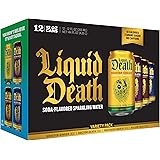
Liquid Death Soda-Flavored Sparkling Water - Classic Variety 2, Less Sugar*, Huge Flavor, No Artificial Sweeteners, 4 Flavors: Sinister Ginger, Doctor Death, Cola, Root Beer, 12 Fl Oz (Pack of 12)
$9.28 (as of October 8, 2026 03:07 GMT +00:00 - More infoProduct prices and availability are accurate as of the date/time indicated and are subject to change. Any price and availability information displayed on [relevant Amazon Site(s), as applicable] at the time of purchase will apply to the purchase of this product.)
Purina Pro Plan Veterinary Supplements Diarrhea Response for Dogs | Diarrhea Response Kit for small breed dogs, 2-stage support, features FortiFlora Response and FortiFlora
$34.99 (as of October 8, 2026 03:20 GMT +00:00 - More infoProduct prices and availability are accurate as of the date/time indicated and are subject to change. Any price and availability information displayed on [relevant Amazon Site(s), as applicable] at the time of purchase will apply to the purchase of this product.)












Post Comment