The Surprising Sleep Transformation That Happens When Phones Are Banned from the Bedroom—Your Family Will Thank You!
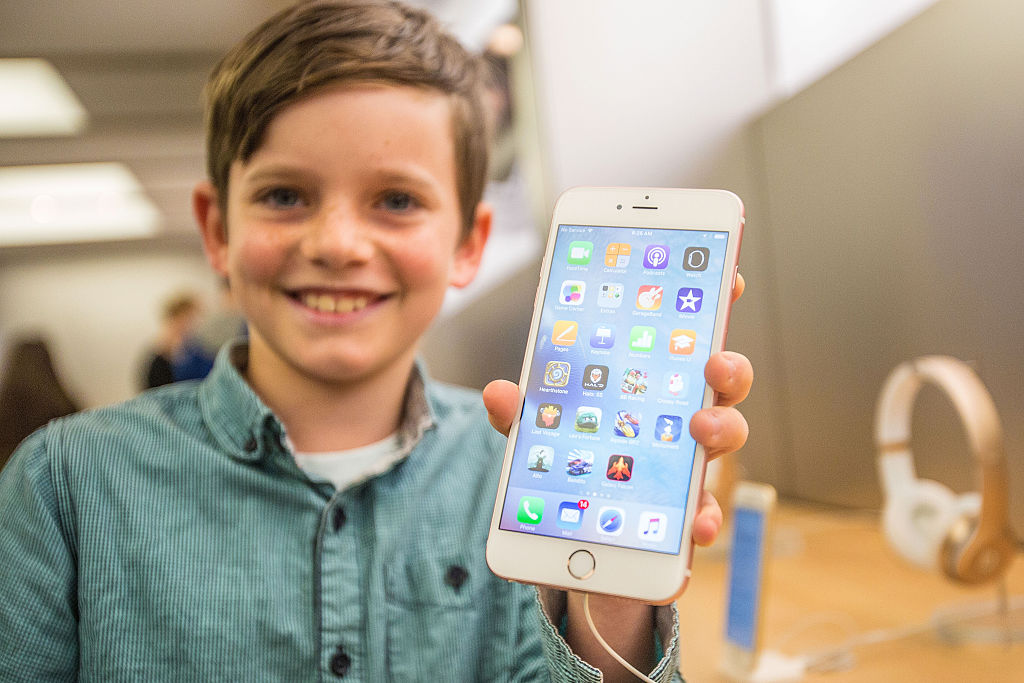
Ever caught yourself bargaining with your kids at bedtime over that glowing little rectangle in their hands? You’re not alone — turns out, 87% of Americans, yes parents too, are dozing off with their phones nestled right beside their pillows. It’s like the phone has become the unofficial bedtime buddy for nearly everyone under one roof. But here’s what gets me: what if that nightly standoff isn’t just a teen rebellion but a family-wide epidemic that’s seriously messing with our sleep—and our mornings? Think about it. What if reclaiming your sleep meant more than just lectures and grumbles… what if it meant boosting mood, sharpening focus, and even making those bleary-eyed mornings a little kinder? Trust me, this isn’t another preachy “put the phone down” spiel. It’s a wakeup call backed by solid research that could change how your whole family sleeps — and lives. Ready to see why the phone might just be the sneaky culprit stealing your zzz’s? LEARN MORE
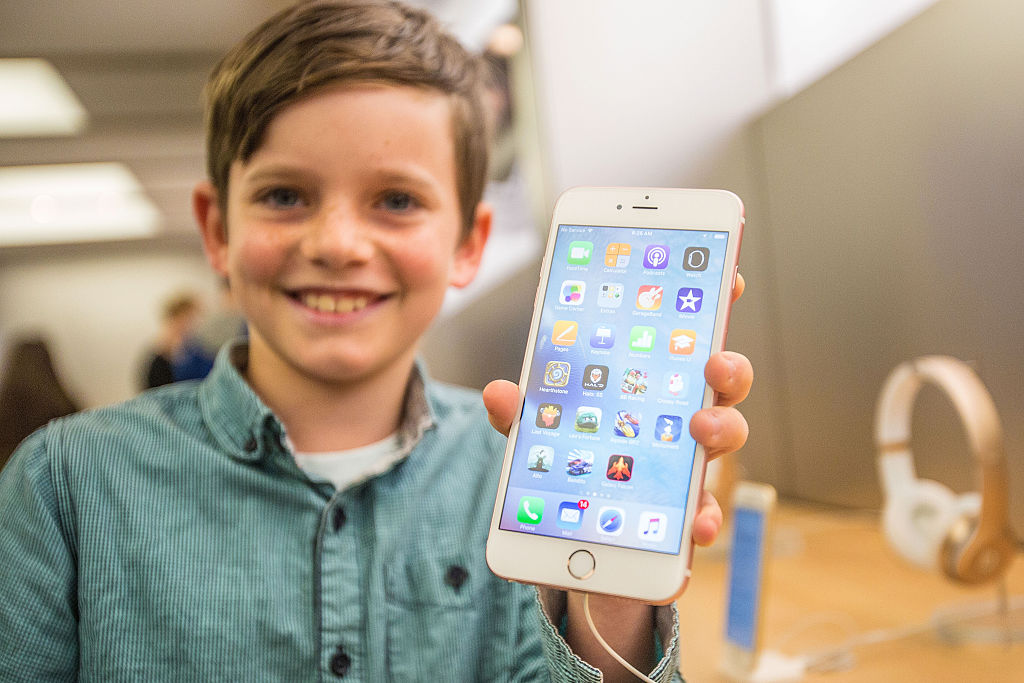
If bedtime at your house involves a nightly negotiation over phones, you’re far from alone. A survey from the American Academy of Sleep Medicine found that 87% of Americans sleep with their phone in their bedroom — parents included. So before this turns into another lecture aimed at your teenager, think of it as a shared family challenge with a real, research-backed payoff for everyone under your roof.
The sleep numbers that should get everyone’s attention
Most of us sense that screens before bed aren’t doing us any favors. The latest research shows just how significant the impact really is — and for the young people in your life, the effects are especially pronounced.
A large study published in JAMA Network Open in March 2025 found that people who used screens before bed had a 33% higher rate of poor sleep quality and slept about 50 minutes less per week compared with those who avoided them. For younger people, the numbers get starker. A Norwegian study of over 45,000 young adults found that each one-hour increase in screen time after going to bed was tied to a 59% higher chance of insomnia symptoms and 24 fewer minutes of sleep. That kind of loss compounds night after night, affecting mood, focus and everything from school performance to how your mornings feel.
Blue light isn’t actually the biggest problem
You’ve probably heard that blue light from screens suppresses melatonin and throws off the body’s internal clock. That’s partially true — but the full picture is more nuanced, and understanding it helps you focus on the changes that actually move the needle.
Researcher Mariana Figueiro at the Icahn School of Medicine at Mount Sinai notes that how long you use your device, how close it is to your eyes and how bright it is all play a role — and the melatonin suppression from typical screen use may be too small to meaningfully impair sleep on its own. The National Sleep Foundation has concluded there isn’t enough evidence to confirm that blue light from screens before bed reliably impairs adult sleep.
The bigger disruptors for families? Mental stimulation, social media anxiety and the simple habit of reaching for the phone when someone wakes up at 2 a.m. The phone doesn’t have to be in use to be a problem — its presence in the room is a behavioral cue all on its own.
What really changes when the phone leaves the room
Here’s the encouraging part. A randomized trial found that restricting mobile phone use just 30 minutes before bedtime for four weeks reduced sleep latency, increased sleep duration, improved sleep quality, reduced pre-sleep arousal and improved both mood and working memory.
Mornings improve too. Waking up without immediately reaching for notifications is linked to lower cortisol spikes and reduced anxiety — something the whole family can feel within days of making the switch.
How to actually make it stick
The key to getting buy-in from tweens and teens is doing it together. When parents make the same change they’re asking of their kids, it stops feeling like a rule and starts feeling like a shared experiment.
- Charge phones in another room and use a separate alarm clock
- If the phone has to stay close, enable Do Not Disturb and place it face down across the room
- Aim to avoid screens 30 to 60 minutes before bed, or at minimum dim brightness and switch on night mode
- Swap out bright white bedroom lighting for dim red light, which is less likely to shift circadian rhythms at night
The “sleepmaxxing” trend has made sleep optimization part of the cultural conversation for younger generations, which may actually work in your favor. ResMed’s 2026 Global Sleep Survey found that nearly 4 in 10 people now track their sleep weekly using a wearable, and 93% say they’ve made lifestyle changes based on that data. Give your kids the research, make the change alongside them and let the results do the talking.
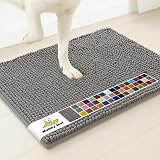
Muddy Mat® | Super Water Absorbent Door Mat Indoor, Microfiber Quick Dry Chenille Entryway Rug, Slip Resistant Front Door Mat, Indoor Mats for Entryway, Machine Washable Pet Rug, Grey 30"x19"
$22.70 (as of September 20, 2026 03:10 GMT +00:00 - More infoProduct prices and availability are accurate as of the date/time indicated and are subject to change. Any price and availability information displayed on [relevant Amazon Site(s), as applicable] at the time of purchase will apply to the purchase of this product.)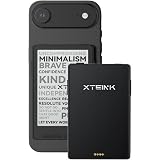
XTEINK X3 3.7" Pocket E-Ink eBook Reader, Space Black | Ultra-thin 0.2" design with magnetic pogo-pin charging, gyroscope page-turn, 16GB storage, and distraction-free reading
$69.00 (as of September 20, 2026 03:22 GMT +00:00 - More infoProduct prices and availability are accurate as of the date/time indicated and are subject to change. Any price and availability information displayed on [relevant Amazon Site(s), as applicable] at the time of purchase will apply to the purchase of this product.)
The Farmer's Dog Snap Sticks, Human Grade Dog Treats, Beef & Apple 3oz | Human-Grade Dog Treats for Puppies and Adult Dogs, For All Ages, Sizes and Breeds
$10.79 (as of September 20, 2026 03:10 GMT +00:00 - More infoProduct prices and availability are accurate as of the date/time indicated and are subject to change. Any price and availability information displayed on [relevant Amazon Site(s), as applicable] at the time of purchase will apply to the purchase of this product.)
Viper Biothane K9 Working Dog Leash Waterproof Lead for Tracking Training Schutzhund Odor-Proof Long Line with Solid Brass Snap for Puppy Medium and Large Dogs 6ft, Black
$31.99 (as of September 20, 2026 03:10 GMT +00:00 - More infoProduct prices and availability are accurate as of the date/time indicated and are subject to change. Any price and availability information displayed on [relevant Amazon Site(s), as applicable] at the time of purchase will apply to the purchase of this product.)












Post Comment