Is the U.S. on the brink of losing its competitive edge? The White House’s urgent push for the CLARITY Act might just be the game-changer investors can’t ignore.
Alright, here’s the deal — the CLARITY Act, that much-hyped crypto market-structure bill, is staring down the clock, with the Senate Banking Committee needing to get their act together by the end of April or risk blowing the whole May floor vote wide open. Now, if you thought Washington had all the time in the world, think again. Patrick Witt, Donald Trump’s crypto guy, didn’t beat around the bush: “The dominant players in almost every crypto vertical are foreign.” Ouch. That’s like watching your backyard barbecue get stomped by the neighbors because you forgot to sharpen your grill skills. The U.S. isn’t just slipping behind—it’s getting steamrolled in the digital asset race, with Binance, Bybit, and HTX running circles around big U.S. names like Coinbase. And without clear rules carved in stone by this bill, you can bet more firms will pack their bags and head overseas, leaving us holding the regulatory bag. The question isn’t just if the U.S. is losing the digital asset race, but how badly are we willing to watch from the sidelines before we jump back in the game? Time’s ticking—and missing this window doesn’t just delay things; it pushes the future of crypto in America back years. Ready to dig deeper? LEARN MORE.
The much-anticipated crypto market-structure bill, the CLARITY Act, has until the end of April to clear a key Senate hurdle.
If the Senate Banking Committee fails to hold the bill’s markup by the end of the month, the expected broader floor vote in May will likely be affected as well. Sounding the alarm on the strict timeline, U.S. President Donald Trump’s crypto advisor, Patrick Witt, warned,
The dominant players in almost every crypto vertical are foreign. Stablecoin issuer, centralized exchange, DeFi protocol, etc. Without a durable market structure framework in place, the US will continue to fall behind in the digital assets race.
Is the U.S. losing the digital asset race?
Well, Witt’s worries were spot on.
For example, the top crypto exchange by trading volume is Binance. Despite the broader market contraction since October and rising competition from decentralized exchanges, Binance still dominated 32% of the global crypto market share.
The second and third positions were still dominated by Bybit and HTX, all foreign crypto exchanges. In fact, the leading U.S.-based firm, Coinbase, ranked fifth globally.
Similarly, on the decentralized exchanges (DEXes), PancakeSwap, incubated by Binance, dominated with an 8% market share in trading volumes. The U.S.-based Uniswap came in second with an 8.6% share, according to CoinGecko data.
On perpetual DEXes, Hyperliquid, founded by Singapore-based Jeff Yan, leads the segment, followed by Aster. Both are offshore-based players. Lighter is the only top U.S.-based contender in the sub-sector, but it ranked fourth globally on trading volumes.
For prediction markets, however, the current dominant players, Polymarket and Kalshi, are both based in the U.S.
Worth pointing out, Polymarket was forced to move offshore following a 2022 CFTC settlement. But now it’s planning to relaunch and offer services for U.S. users after a 2025 CFTC approval.
And without codified, clear rules for the industry via the CLARITY Act, some fear more firms will move offshore.
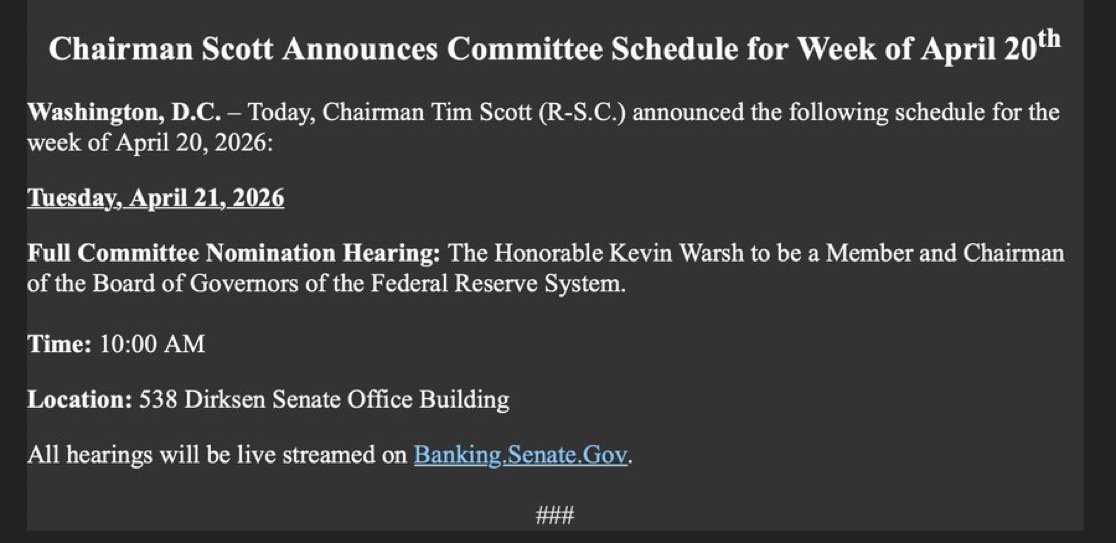
The crypto bill was originally slated for markup in the second half of April. However, the week of the 20th of April is already set aside for hearings to confirm Trump’s Fed chair nominee, Kevin Warsh, leaving only the week of the 27th of April available. If lawmakers miss this April window, the bill will likely be pushed back until 2027.

Final Summary
- Trump’s crypto advisor, Patrick Witt, warned that top crypto players are all offshore firms and will likely make the U.S. fall behind if the CLARITY Act is not passed.
- Failure to pass the crypto bill by the last week of April could likely delay it to 2027.

Welch's Fruit Snacks - Mixed Fruit Box - Kids Snacks - 0.8 Oz - 40 Pack | Bulk Box, Made with Whole Fruit, Gluten-Free Snack Packs for Kids and Adults, No Artificial Dyes
$7.78 (as of September 21, 2026 03:22 GMT +00:00 - More infoProduct prices and availability are accurate as of the date/time indicated and are subject to change. Any price and availability information displayed on [relevant Amazon Site(s), as applicable] at the time of purchase will apply to the purchase of this product.)
6FT Power Strip Tower Surge Protector, 12 Wide Spaced Outlets, 4 USB | 16-in-1 Desktop Charging Station with 2USB-C, 2USB-A, Flat Plug, 6FT Cord, 1800J Surge Protection for Home Office, Dorm White
$19.99 (as of September 20, 2026 03:29 GMT +00:00 - More infoProduct prices and availability are accurate as of the date/time indicated and are subject to change. Any price and availability information displayed on [relevant Amazon Site(s), as applicable] at the time of purchase will apply to the purchase of this product.)
DaVinci Gourmet Classic Blue Raspberry, 25.4 Fluid Ounces (Pack of 1)
$7.99 (as of September 21, 2026 03:04 GMT +00:00 - More infoProduct prices and availability are accurate as of the date/time indicated and are subject to change. Any price and availability information displayed on [relevant Amazon Site(s), as applicable] at the time of purchase will apply to the purchase of this product.)
Ring Battery Doorbell (newest model), Matte Mocha with Indoor Cam Plus, Black
$59.99 (as of September 21, 2026 03:22 GMT +00:00 - More infoProduct prices and availability are accurate as of the date/time indicated and are subject to change. Any price and availability information displayed on [relevant Amazon Site(s), as applicable] at the time of purchase will apply to the purchase of this product.)












Post Comment