Why Gen Z’s Vinyl Obsession Is More Than Just a Nostalgic Trend—Here’s What You’ve Been Missing
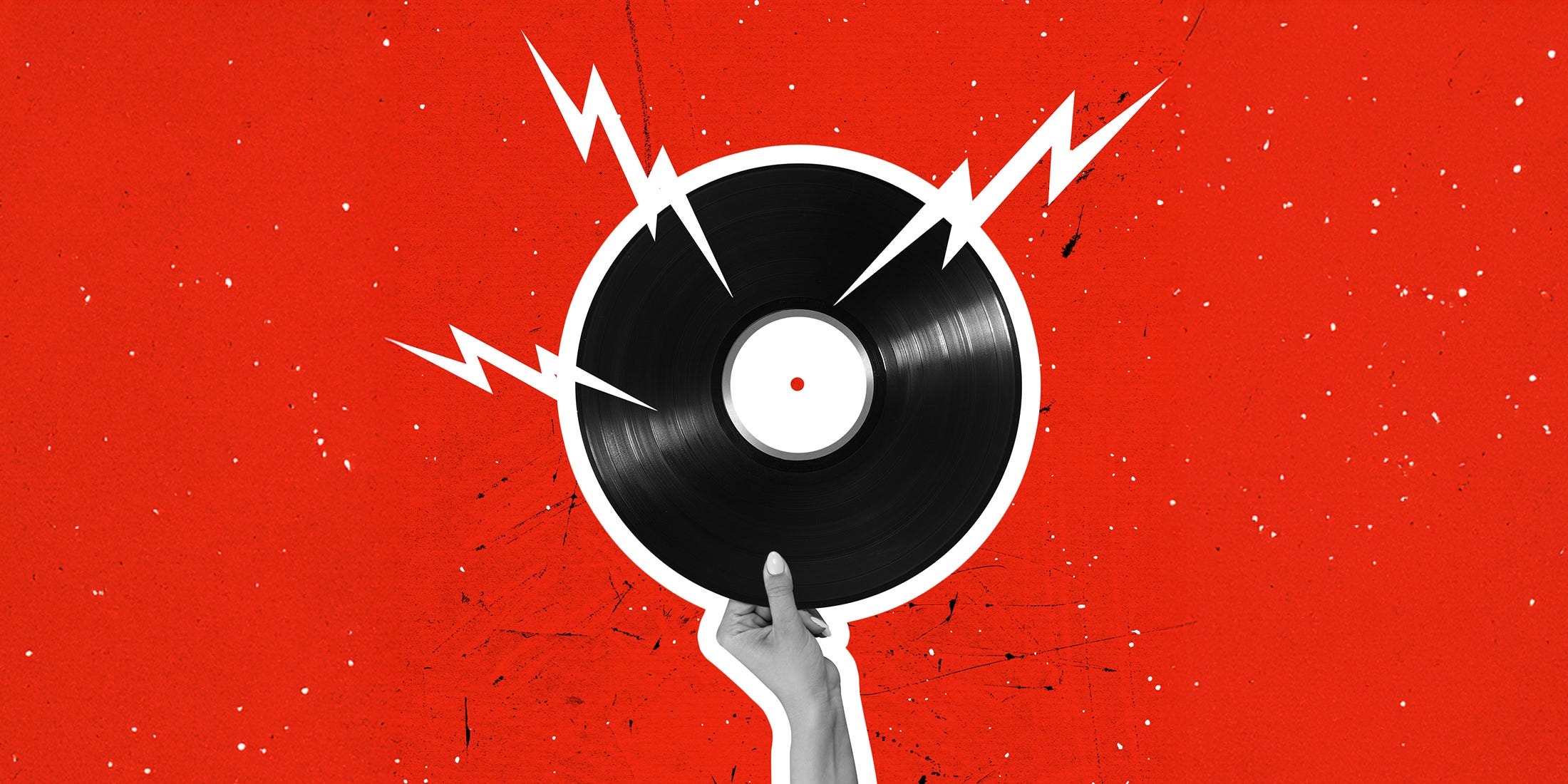
Ever find yourself wondering why, in this hyper-digital world where every song is a click away, something as old-school as vinyl still pulls you in? Like, why would anyone willingly brave the cold and sloppy sidewalks just to sift through stacks of records in a cramped store? There’s this strange kind of magic in the act of flipping through album covers—your brain quiets down, your hands take over, and suddenly, you’re not just a consumer; you’re a treasure hunter wrapped up in nostalgia and discovery. For those of us born and bred in the streaming age, there’s a certain rebellion in owning something real—a spot-on reminder that music isn’t just a fleeting background noise but a tangible experience. And yes, guess what? It costs real money, yet that doesn’t stop us from diving in, chasing those little imperfections in the grooves that remind us the music’s been loved. So, what exactly is the allure of vinyl for Gen Z, and why does it still hold such a cherished place in our hearts? Let’s unpack this analog obsession in a world gone digital. LEARN MORE
 6 min read
There’s a particular kind of focus that happens when you’re record hunting. Your brain gets quiet. Your hands do the thinking. Flip, flip, flip, through album art, spines, names you love, names you forgot you loved. Start at the end of the alphabetized rock section: Weezer. The Strokes. Then the Indie Pop/Shoegaze bin: the familiar dark-red cover of Beach House’s Depression Cherry.
On a gloomy day this past winter, my roommate and I decided to brave the harsh weather and head down to Rockefeller Center, in midtown Manhattan, to visit my roommate’s favorite record store, Rough Trade. It was the perfect opportunity for her to get me a slightly overdue Hanukkah present: my choice of any three records I wanted.
After we waded through the sludge on the streets, we were both relieved to get inside the store, where I started going through the tightly packed vinyls in bins organized by genre. Flip, flip, flip. I didn’t want to hog the stacks, but at the same time I wanted to see and touch every single album, because what if I accidentally flip past a hidden gem? The other people crowding around were the same. Edgy teens in all black and old guys in Grateful Dead shirts, ravenously rifling through the stacks.
Hovering over this outing the whole time, of course, was the simple fact that these things cost money—real money. Like, an-average-of-$30-each money, which is no small price for something I could listen to on any streaming platform for the modest cost of a monthly subscription (or, honestly, for no cost at all, depending on where you stream).
In other words, why would people like me and my roommate—squarely Gen Z, born in 2001 and raised entirely in the golden age of streaming—want vinyl records at all? Why does vinyl matter to us? Fair question.
The easy answer is one you already know: A record is reassuringly not the insubstantial electromagnetic waves that emanate from your phone and travel to your AirPods in streaming; a record is a physical manifestation of music. Going through the stacks, getting the tactile feel of each album, the physical sensation, building the anticipation about what you might find next: These are experiences a streaming service simply can’t give you.
After about an hour, I landed on three records that, even without checking Spotify Wrapped, I knew were already in heavy rotation in my algorithm: So Tonight That I Might See, by Mazzy Star; New Miserable Experience, by Gin Blossoms; and Static & Silence, by the Sundays—a nostalgic choice in that the Sundays were my top artist on Spotify my senior year of college but not nostalgic at all in that I wasn’t even alive when the album came out in 1997. Now those records adorn the wall in my tiny bedroom in my tiny apartment, like little flags planted to say, This is who I am.

Yet this is no mere nostalgia I’m talking about here; it’s much deeper than that, imbued with maybe even more melancholy. I believe I speak for a large portion of my generation when I say that we yearn for a pre-Internet age we never got to live through, an age when loving music meant collecting your favorite albums, clutching the lyric sheets and reading them over and over, poring over the liner notes to swallow each word whole, to see the stanzas stacked up and wonder how so few words could make you feel so deeply. When music wasn’t just listening—it was learning, studying, holding.
Older people scold my generation. They say we have it better because everything is available at our fingertips; they say it wasn’t as great as we romanticize it to be. And maybe that’s true—I mean, the Internet is a miracle. Streaming music is a miracle. I love being able to pull up any song in the world in five seconds. I love discovering music through Reddit recommendations and rabbit holes and oddly specifically titled Spotify playlists. (Seriously, I love that my daylist is currently titled “wistful sad girl indie wednesday evening.”)
But there’s a flip side to all that. We live in a digital world with a never-ending glut of media—an abyss of content that refreshes itself faster than you can even begin to decide what you want. Everything is available, always—and somehow that makes it feel like nothing is. Physical objects, on the other hand, allow you to own something, something real, and that makes all the difference.
Case in point: When I first saw the revival of Chess on Broadway, I couldn’t stop thinking about it and listening to recordings from different productions, including the original West End and Broadway runs. (And I know, I know—I realize musical theater isn’t as popular as rock, but I’ll defend musicals until the day I die.) When I saw Chess for the second time, I started obsessing in a way that feels slightly embarrassing to admit as an adult with a job. And then I saw it a third time. But even with all my listening and watching videos and reading about the making of the musical, I knew I wouldn’t be truly satisfied until I had the vinyl of the 1988 Original Broadway Cast Recording. So I did what I had to do: I went on Discogs.com and bought a used copy: $35.11 with shipping. Not a lot to pay for completion and closure.
When it came in the mail, it was more than I had expected. Inside the record cover wasn’t just a record—there were photos, full lyric sheets, and even a synopsis (which differs vastly from the version currently on Broadway). I had a physical artifact to handle and to study. I could see how time had conditioned it by the wear on the cover, the creases on the paper inner sleeve, the remnants of a sticker that once clung to the plastic outer sleeve. Which was an antidote, all of it, to the stultifying oblivion of the Internet.
And then there was the album—and the music—itself. Records are grounding. They make you slow down. They insist on presence. They make listening an activity—pulling the record out of the sleeve, setting it on the turntable, lowering the needle, flipping it halfway through. A record creates a little pocket of time when you’re not just consuming, you’re participating.

We need tangible things, individual things. We want to know that a vinyl record is ours and ours alone, and no one else has that exact same one. Millions of people can listen to the same digital track every day, the same clean sound waves delivered in the same way, perfectly and endlessly identical, forever. A record is personal. The scratches and skips become endearing characteristics instead of merely annoyances, embedding themselves in your experience of the feeling of the music. They’re proof that it’s been loved, proof that it’s lived. And that’s what we’re really chasing.
I envy older generations, because they at least get to mourn that era. Older millennials, Gen Xers, and baby boomers have a true nostalgia for the age of records and cassettes and VHS tapes. They lived through it, so they get to miss it properly. They get to say they were there. They can point to a specific feeling and say, That’s gone now.
But my generation didn’t. We are left with an ache for a life we never got to experience, a past we cannot mourn ourselves. We’re trying to build our own version of it in real time in the only ways available to us. We’re trying to make the intangible tangible.
That’s why vinyl matters. It’s not just a retro affectation or a trend; it’s Gen Z’s way of fighting back, rebelling against an age when everything, our whole lives, are lived and chronicled on the Internet. Our childhoods were filmed and uploaded to the cloud, our high school graduation photos buried in a Facebook feed instead of lovingly framed and put up for all to see.
I want something that doesn’t disappear when the WiFi goes out or when I lose cell service. What I want, what we all want, is something real.
In the end, those three records cost my roommate $98 after taxes. I asked her if she was sure she wanted to spend that much on just three albums for me. Of course, she said. I’m happy to. Because she knows, we both know: We’ll go home, lower the needle on these vinyls, and feel, perhaps, like the music won’t disappear back into the abyss. It’ll be right here in our hands.

FreshDrinkUS, 140 Bags Hibiscus Flowers Tea, 100% Natural and Pure. Loose Flower Hibiscus Herbal Tea. Hibiscus Flower Tea. No Sugar, No Caffeine, No Gluten, Vegan.
$11.99 (as of September 20, 2026 03:22 GMT +00:00 - More infoProduct prices and availability are accurate as of the date/time indicated and are subject to change. Any price and availability information displayed on [relevant Amazon Site(s), as applicable] at the time of purchase will apply to the purchase of this product.)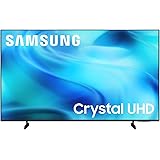
Samsung 65-Inch Class Crystal UHD U8000H Series Samsung Vision AI Smart TV (2026 Model, 65U8000H) Processor 4K, Endless Free Content, Motion Xcelerator, Color Booster, Alexa Built-in
$377.99 (as of September 20, 2026 03:22 GMT +00:00 - More infoProduct prices and availability are accurate as of the date/time indicated and are subject to change. Any price and availability information displayed on [relevant Amazon Site(s), as applicable] at the time of purchase will apply to the purchase of this product.)
Tevila Stainless Steel Cat Litter Box for Kitten, Kitty & Senior Cats Pan | Metal Litter Box , Open Top Low Entry Litter Pan, Non-Stick Easy Clean Anti-Scratch Kitty Cat Box for Indoor Cats, Single Pan
$15.99 (as of September 20, 2026 03:10 GMT +00:00 - More infoProduct prices and availability are accurate as of the date/time indicated and are subject to change. Any price and availability information displayed on [relevant Amazon Site(s), as applicable] at the time of purchase will apply to the purchase of this product.)
The Farmer's Dog Snap Sticks, Human Grade Dog Treats, Beef & Apple 3oz | Human-Grade Dog Treats for Puppies and Adult Dogs, For All Ages, Sizes and Breeds
$10.79 (as of September 20, 2026 03:10 GMT +00:00 - More infoProduct prices and availability are accurate as of the date/time indicated and are subject to change. Any price and availability information displayed on [relevant Amazon Site(s), as applicable] at the time of purchase will apply to the purchase of this product.)











Post Comment