
Here’s the raw gold: How These Brands Cracked the UGC Code to Explode Growth When Everyone Else Is Failing
Ever wonder why some brands seem to have the magic touch when it comes to online marketing? Well, let me tell you—user-generated content (UGC) is nothing short of a game-changer in today’s digital hustle. Forget the usual ads that scream “Look at me!”—UGC sneaks in with raw, authentic stories and real emotions, straight from the mouths of everyday customers. It’s like having your best customers become your loudest cheerleaders without even breaking a sweat. The question is, how did some powerhouse brands crack the code and turn this tidal wave of content into roaring success? From GoPro’s adrenaline-pumping clips to Starbucks’ creative sips, Coca-Cola’s personalized bottles, and Rihanna’s Fenty Beauty revolution, these giants didn’t just ride the UGC wave—they shaped it into a tsunami. Ready to dive into what these trailblazers did differently and how you can flip the script with your own brand? Buckle up, this is the kind of strategy that doesn’t just play the game—it changes it. LEARN MORE
Many marketing websites and business-focused magazines are talking about UGC content right now. User-generated content has the ability to connect with prospective customers in ways that conventional marketing simply can’t, because it’s produced by peers. It’s automatically more trustworthy and reliable to many people, and that’s why it’s so successful right now. Which brands used it well, and what examples do entrepreneurs like you have to follow
GoPro
GoPro was probably the original brand that pioneered user-generated content. It initiated hashtags like #GoProAwards, which encouraged its customers to create stunning and jaw-dropping videos and photos of things like skydives and surf sessions. The brand also curates its own YouTube channel, where it showcases some of the best uses of its camera technology.
What was interesting about this campaign is that it showcased real product durability. Customers could see that GoPros could survive virtually any environment while allowing them to film their exploits outside. The UGC content was exciting and watchable in its own right.
Starbucks
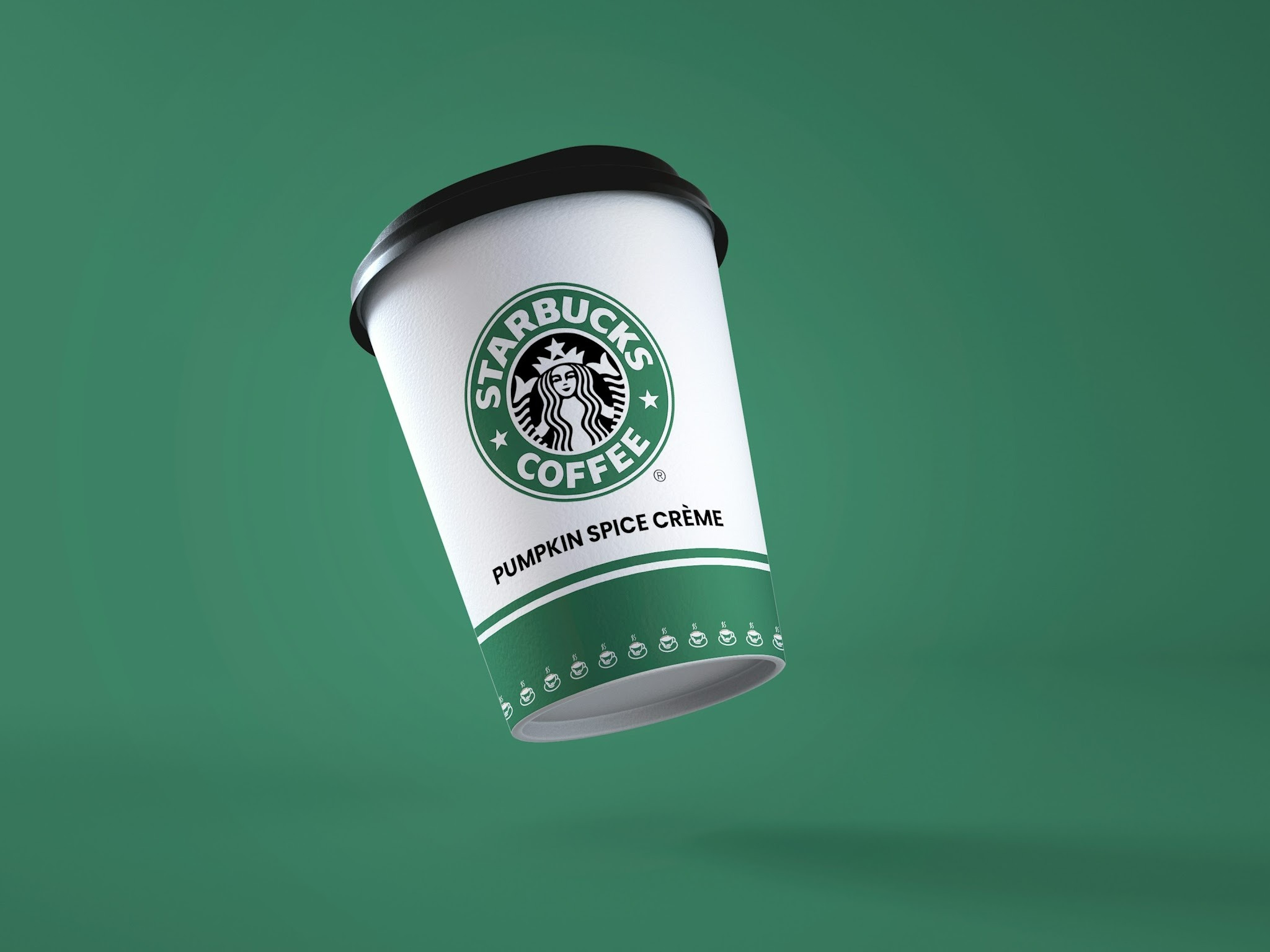
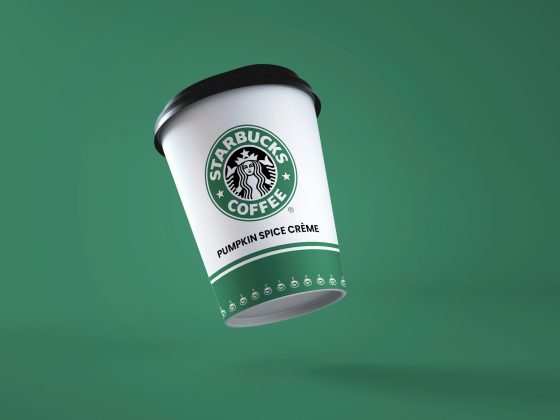
Interestingly, Starbucks was also one of the original UGC companies. It ran a hashtag white cup contest and asked customers to decorate their plain white cups with their creations. It also had other related campaigns where customers were encouraged to share their designs and photos.
What was interesting about this UGC campaign was how quickly it took off. There were massive spikes in interest over the holidays, when people were at home, solidifying the brand with a time of year that many people find enjoyable because they’re off work. This strengthened brand alignment and built a community quickly.
Coca-Cola
Even though Coca-Cola is one of the biggest brands in the world and perhaps has billions to spend on marketing, the company also saw an opportunity to take advantage of UGC all the way back in 2011. It started by printing popular names on bottles and inviting people to find their particular Coke and share their photos online. For example, if your name were Adam, you would look for a Coca-Cola bottle randomly named Adam in the store, take a picture of yourself with it, and share it with your friends.
What was interesting about this campaign is that it managed to increase Coca-Cola sales after many years of decline in countries like the United States. People became so interested in finding Coca-Cola bottles with their name on them that they almost forgot that the company’s products had become less popular.
Fenty Beauty
Venti Beauty, founded by Barbadian singer Rihanna, also ran a social media campaign using UGC under the hashtag #FentyFace. What was interesting about it was that it showed beauty products on a wide range of skin tones, with various tutorials and self-transformations.
The campaign was so successful that it generated millions of posts in a very short period of time. It amplified the company’s online presence and visibility and created a community almost overnight. People wanted to know more about what the company did and how they could get involved. It was a game-changer for the beauty industry.

Apple EarPods Headphones with USB-C Plug, Wired Ear Buds with Built-in Remote to Control Music, Phone Calls, and Volume
$19.00 (as of October 9, 2026 03:20 GMT +00:00 - More infoProduct prices and availability are accurate as of the date/time indicated and are subject to change. Any price and availability information displayed on [relevant Amazon Site(s), as applicable] at the time of purchase will apply to the purchase of this product.)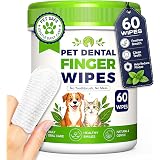
Dog Dental Wipes for Teeth Cleaning, Finger Toothbrush Wipes for Dogs Cats,Dog Teeth Cleaning Wipes Reduce Bad Breath & Plaque Tartar, No-Rinse Daily Oral Care,Dog Toothbrush & Toothpaste Alternatives
$15.96 (as of October 9, 2026 03:20 GMT +00:00 - More infoProduct prices and availability are accurate as of the date/time indicated and are subject to change. Any price and availability information displayed on [relevant Amazon Site(s), as applicable] at the time of purchase will apply to the purchase of this product.)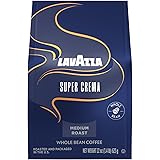
Lavazza Super Crema Whole Bean Coffee, Medium Espresso Roast, Arabica and Robusta Blend, 22 oz Bag
$16.73 (as of October 9, 2026 03:08 GMT +00:00 - More infoProduct prices and availability are accurate as of the date/time indicated and are subject to change. Any price and availability information displayed on [relevant Amazon Site(s), as applicable] at the time of purchase will apply to the purchase of this product.)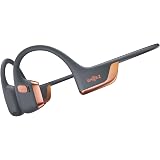
SHOKZ OpenRun Pro 2 Bone Conduction Headphone, Rose Gold | Amazon Exclusive Color; DualPitch premium sound;Smart Mic; IP55; 12H battery; Running/Cycling/Hiking
$199.95 (as of October 9, 2026 03:20 GMT +00:00 - More infoProduct prices and availability are accurate as of the date/time indicated and are subject to change. Any price and availability information displayed on [relevant Amazon Site(s), as applicable] at the time of purchase will apply to the purchase of this product.)













Post Comment