
Forget Water: The Surprising Game-Changers That Actually Fix Chronic Dry Mouth for Good!
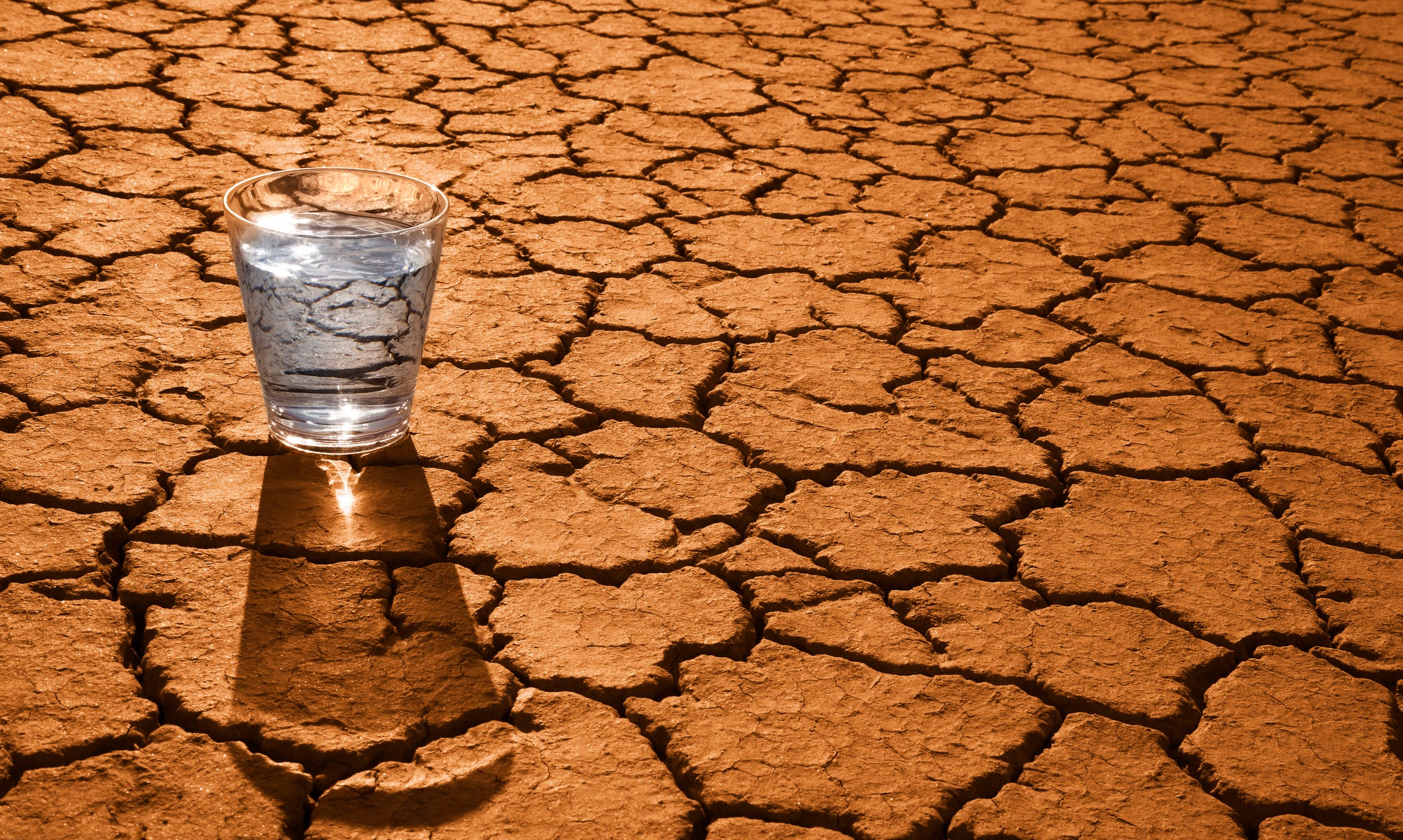
Ever felt like your mouth turned into a desert, leaving you wondering if you accidentally swallowed a cactus? Dry mouth isn’t just annoying—it’s a sneaky condition where your salivary glands throw in the towel, and suddenly, chewing, talking, or swallowing feel like a chore. Surprisingly, while dry mouth tends to creep up more as we get older, it’s not some cruel destiny handed down with age. Nope, this dryness often points fingers at medications, stress, or other health issues, not just the years piling on. And believe me, when your mouth’s always parched, life’s little pleasures—like savoring your favorite meal or having a decent conversation—can take a serious hit. But before you chug down that extra glass of water, there’s more to know about tackling this troublemaker effectively. Ready to dive in and get your mouth back in the game? LEARN MORE
 3 min read
DRY MOUTH, A condition where the salivary glands does not produce enough saliva to keep your mouth lubricated, can worsen as you get older. But here’s the kicker: dry mouth is not a normal part of aging.
While older adults may experience that uncomfortable dryness (especially at night), it’s likely because of another health issue or medication side effect. Dry mouth can also happen because of stress or nerves.
That being said, if you’re not regularly making enough saliva, you can further complicate your quality of life. Saliva is important in chewing food, swallowing, and talking. Plus, saliva contains calcium and phosphate to keep teeth strong and wash away food or harmful germs. If left untreated, chronic dry mouth may increase the risk of fungal infections and tooth decay.
Reaching for a glass of water is usually the first move to tackle dry mouth. However, if you want to get rid of chronic dry mouth, there’s another oral step you’re going to want to take.
Common Causes of Dry Mouth
FOR MANY PEOPLE, the problem comes down to not drinking enough water during the day, says Matt Messina, DDS, an associate professor of dentistry at Ohio State University. (Check out how much water you should drink in a day.)
Other causes include smoking and prescription medications, explains Dr. Messina. In fact, more than six hundred medications can cause dry mouth, including prescriptions used to treat high blood pressure, depression, and bladder control issues. In some cases, underlying medical conditions such as HIV/AIDS or diabetes can interfere with saliva production.
Dry mouth can be particularly bad at night for people who breathe through their mouths while sleeping. Mouth breathing generally happens when you have sinus or nasal septum problems, respiratory infections, or sleep apnea.
Symptoms of Dry Mouth
THE MOST TELL-TALE symptom is experiencing a “cotton-mouth” feeling. But there are other symptoms outside of that. According to the NIH, these include:
- Stickiness in mouth
- Trouble chewing, swallowing or talking
- Burning
- Cracked, dry lips
- Bad breath
Easy Dry Mouth Treatments for the Day vs. Night
AS WITH MOST health issues, proper treatment depends on the cause of your condition. For example, if a prescription changes saliva production, you’ll want to talk to your doctor about adjusting the dosage. If sleep apnea is the cause of dry mouth, you’ll want to work with a doctor to treat that condition.
Dr. Messina does recommend drinking more water as a first step. Other quick fixes you can do during the day include chewing sugar-free gum, as well as cutting out tobacco, alcohol, and caffeine. Sleeping with a humidifier increases moisture in your room, which may alleviate dry mouth.
At night, a more sustainable solution is to add an alcohol-free oral rinse such as Biotene to your nighttime toothbrushing routine. According to the American Academy of Oral Medicine (AAOM), this rinse can help soothe the mouth and remineralize your teeth. Other AAOM-approved rinse recommendations include:
If nothing works, it’s time to speak to your your dentist about using either an over-the-counter or prescription treatment such as artificial saliva.
The AAOM also recommends targeted drug therapy as an option for more serious cases. There are currently two prescription drugs (pilocarpine and cevimeline) on the market approved to treat dry mouth associated with other conditions and treatments.

Melissa Matthews is the Health Writer at Men’s Health, covering the latest in food, nutrition, and health.

Emilia Benton is a Houston-based freelance writer and editor. In addition to Runner’s World, she has contributed health, fitness and wellness content to Women’s Health, SELF, Prevention, Healthline, and the Houston Chronicle, among other publications. She is also an 11-time marathoner, a USATF Level 1-certified running coach, and an avid traveler.

Delectables Squeeze Up Variety Pack, Creamy Squeezable Puree, Lickable Wet Cat Treats, Grain Free, No Added Fillers, No By-Products, No Added Preservatives, 0.5 Ounces Tube, 24 Tubes Total
$9.62 (as of October 8, 2026 03:10 GMT +00:00 - More infoProduct prices and availability are accurate as of the date/time indicated and are subject to change. Any price and availability information displayed on [relevant Amazon Site(s), as applicable] at the time of purchase will apply to the purchase of this product.)
Core Power Fairlife 26g Protein Milk Shakes, Liquid Ready To Drink for Workout Recovery, Chocolate, 14 Fl Oz Bottle (Pack of 12)
$29.31 (as of October 8, 2026 03:07 GMT +00:00 - More infoProduct prices and availability are accurate as of the date/time indicated and are subject to change. Any price and availability information displayed on [relevant Amazon Site(s), as applicable] at the time of purchase will apply to the purchase of this product.)
Milk-Bone MaroSnacks Small Dog Treats with Real Bone Marrow, 40 Oz. | Dog treats with 12% protein
$11.48 (as of October 8, 2026 03:10 GMT +00:00 - More infoProduct prices and availability are accurate as of the date/time indicated and are subject to change. Any price and availability information displayed on [relevant Amazon Site(s), as applicable] at the time of purchase will apply to the purchase of this product.)
Liquid Death Soda-Flavored Sparkling Water - Classic Variety 2, Less Sugar*, Huge Flavor, No Artificial Sweeteners, 4 Flavors: Sinister Ginger, Doctor Death, Cola, Root Beer, 12 Fl Oz (Pack of 12)
$9.28 (as of October 8, 2026 03:07 GMT +00:00 - More infoProduct prices and availability are accurate as of the date/time indicated and are subject to change. Any price and availability information displayed on [relevant Amazon Site(s), as applicable] at the time of purchase will apply to the purchase of this product.)







Post Comment