
Breaking Boundaries: How Kenya’s Sebastian Sawe Shattered the Sub-2 Hour Marathon Barrier and What It Means for Your Fitness Goals
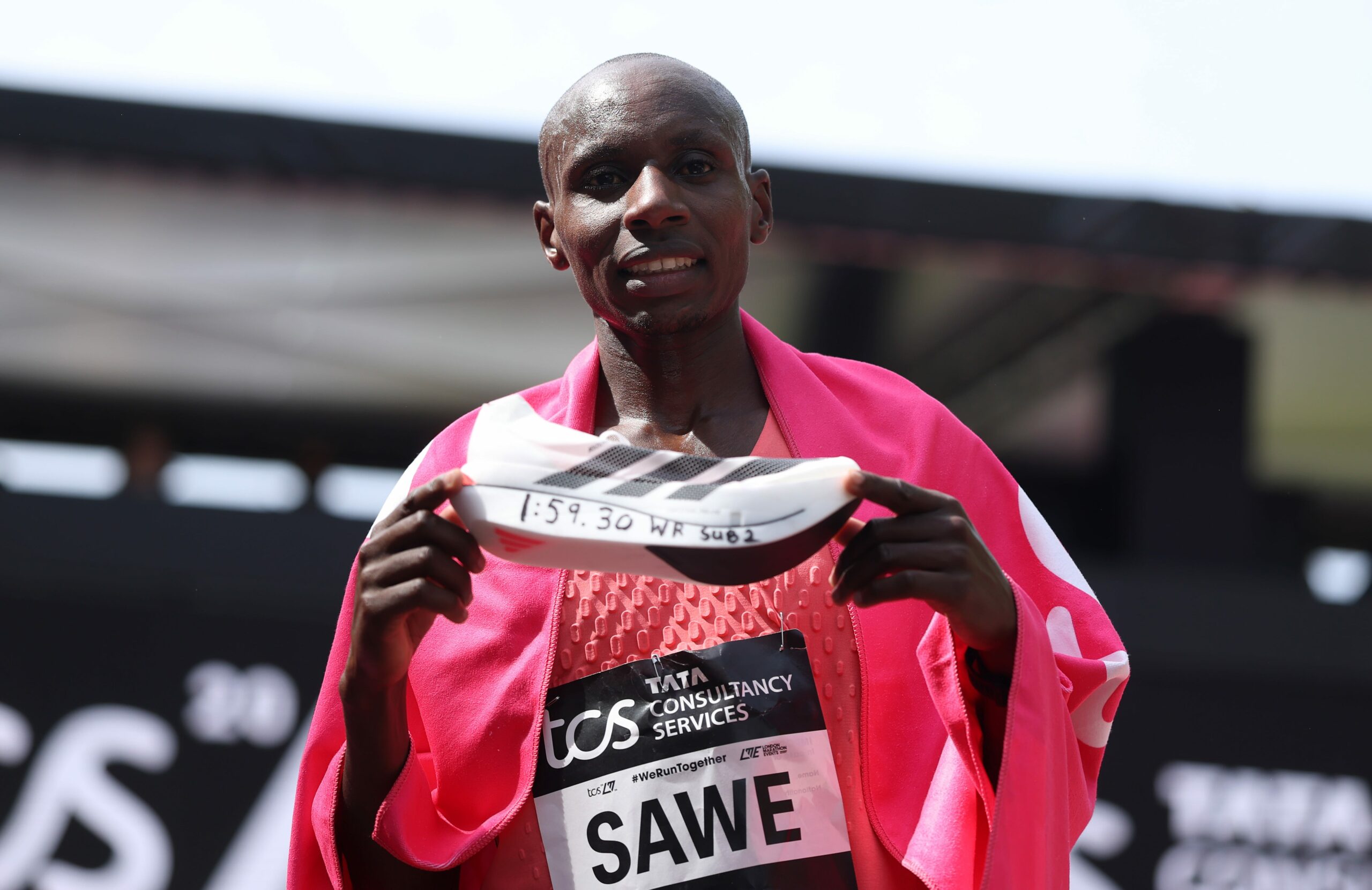
Breaking the two-hour marathon barrier? That sounded like chasing a unicorn—until now. Kenyan powerhouse Sebastian Sawe didn’t just break the mythical 1:59:59 mark; he shredded it with a jaw-dropping 1:59:30 at the London Marathon. Imagine running 26.2 miles faster than most people can drive a stretch of road—and doing it on a Sunday, no less. This wasn’t just a win for Sawe; it’s a seismic shift challenging what we thought human endurance could achieve. And while Sawe was leading the charge, Ethiopia’s Yomif Kejelcha and Uganda’s Jacob Kiplimo made history too, slashing world records and rewriting the marathon playbook. What makes this feat even more intriguing? Both finalists laced up Adidas’s brand-new $500 Adizero Adios Pro Evo 3—light as a feather and seemingly crafted from some futuristic material that feels like running on magic. So, what’s next for marathon glory? With Chicago and Berlin courses ready to host this season, we stand on the edge of a new era in long-distance running—faster, fiercer, and let’s be honest, a little mind-blowing. Ready to dive deeper into this historic run and what it means for sport and science alike? LEARN MORE
 2 min read
THE MYTHICAL TWO-HOUR marathon mark has been broken. And it wasn’t even close.
Kenyan runner Sebastian Sawe obliterated the world record at the London Marathon on Sunday with a scorching-fast time of 1:59:30, reseting the limits of human endurance and speed. He became the first person to break the two-hour barrier in an official race and ran the fastest marathon time in recorded history, besting Kelvin Kiptum’s 2023 world record of 2:00:35 by over a minute and Eliud Kipchoge’s INEOS exhibition from 2019, the only other instance of anyone running under two hours at the distance conducted under controlled conditions, by 10 seconds.
Sawe wasn’t the only runner to make history in London. He was followed by Ethiopia’s Yomif Kejelcha, who crossed the line in 1:59:41. The third-place finisher, Ugandan Jacob Kiplimo, also bested the previous world-record time at 2:00:28.
The numbers behind the run are astounding, even to the most seasoned endurance athletes (like our friends at Runner’s World). Sawe ran the race at a 4:33 per mile average pace, at an average speed of 13.16 mph. When you split that out to 5Ks, he ran an average of 14:10. As previously mentioned, he bested the previous record by 1 minute, 5 seconds, and even broke Kipchoge’s highly-controlled sub-two effort by a full 10 seconds. Sawe even negative split the back half of the race, running 1:00:29: over his first half marathon split, the dropping nearly a full minute for the final 13.1 miles in 59:01.
Also remarkable: Both Sawe and second-place finisher Kejelcha were wearing Adidas’s brand new super shoe, the $500 Adizero Adios Pro Evo 3, which had been unveiled last week after making an appearance at the Boston Marathon Expo.

The shoe is ridiculously light, weighing about 97 grams (3.4 ounces) according to Adidas specs. We haven’t had a chance to run in the Pro Evo 3 just yet, but I have held it in hand. The shoe feels impossible—the foam feels more like a Magic Eraser cleaner than a shoe’s midsole. Clearly, as Sawe and Kejelcha showed, there’s something to it.
With a full marathon season ahead and historically fast courses in Chicago and Berlin, we’ll see how long Sawe’s mark stands. For now, it’s incredible to see such a landmark achievement in sport finally achieved.
Brett Williams, NASM-CPT, PES, a senior editor at Men’s Health, is a certified trainer and former pro football player and tech reporter. You can find his work elsewhere at Mashable, Thrillist, and other outlets.

The Farmer's Dog Human-Grade Crunchy Dog Biscuits, Peanut Butter & Pumpkin | All-Natural Dog Treats Made with Real Ingredients For Puppies and Adult Dogs, For All Ages, Sizes and Breeds
$10.11 (as of October 8, 2026 03:20 GMT +00:00 - More infoProduct prices and availability are accurate as of the date/time indicated and are subject to change. Any price and availability information displayed on [relevant Amazon Site(s), as applicable] at the time of purchase will apply to the purchase of this product.)
ALOHA Organic Plant Based Protein Bar | Peanut Butter Chocolate Chip, 12 Ct | 14g Plant-Based Protein, 10g Fiber, 5g Sugar | GLP-1 & Keto Friendly, No Sucralose or Stevia | Non-GMO, Vegan & Dairy Free
$20.63 (as of October 8, 2026 03:07 GMT +00:00 - More infoProduct prices and availability are accurate as of the date/time indicated and are subject to change. Any price and availability information displayed on [relevant Amazon Site(s), as applicable] at the time of purchase will apply to the purchase of this product.)
Ring Battery Doorbell (newest model), Speckled Gray with Outside Door Sensor, (newest model)
$49.99 (as of October 8, 2026 03:28 GMT +00:00 - More infoProduct prices and availability are accurate as of the date/time indicated and are subject to change. Any price and availability information displayed on [relevant Amazon Site(s), as applicable] at the time of purchase will apply to the purchase of this product.)
Amazon Echo Show 11 (newest model), Vibrant Full-HD 11" display with more viewing area and spatial audio, Designed for Alexa+, Graphite
$149.99 (as of October 8, 2026 03:10 GMT +00:00 - More infoProduct prices and availability are accurate as of the date/time indicated and are subject to change. Any price and availability information displayed on [relevant Amazon Site(s), as applicable] at the time of purchase will apply to the purchase of this product.)













Post Comment