
From Early Menopause to Peak Power: Discover Monica Molenaar’s Unbreakable Habits That Made Her Stronger at 52 Than Ever Before!
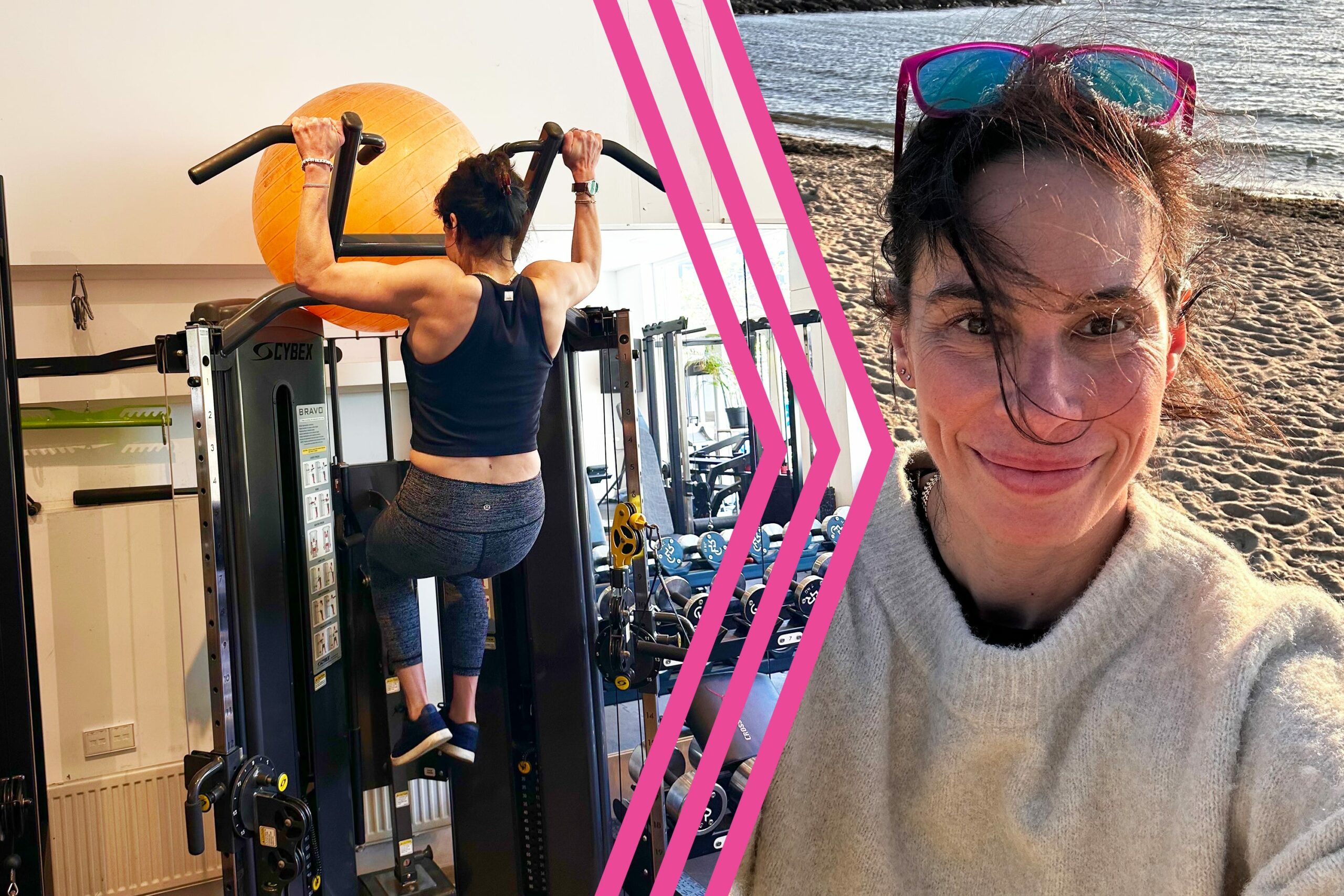
What’s it like to live every day under the looming shadow of breast cancer? Imagine making life-altering choices at 40—not just any choices, but removing your ovaries to slash your risk in half, only to be catapulted into an intense early menopause whirlwind. Sleepless nights, unexpected weight gain, and a rollercoaster of symptoms that make you question, “Is this really my new normal?” But then, just when you think you’ve hit the wall, hormone therapy swoops in like a game-changer, restoring a glimmer of hope and balance. This isn’t just a health journey; it’s a fierce battle to reclaim control over your body and redefine what midlife truly means. At 52, stronger and fitter than ever, I’m living proof that setbacks can be setups for an incredible comeback. Ready to dive into a story about resilience, transformation, and owning your health like a boss?
 5 min read
I always knew I carried a very high risk of breast cancer because of my family history. As a result, at 40 years old, I made the difficult decision to have my ovaries removed. Up until that point, I lived for years with the underlying threat of a cancer diagnosis.
The decision to remove my ovaries put me into early menopause, which was an intense experience that included sleepless nights, a 20-pound weight gain, and a host of other symptoms before I discovered hormone therapy. It quickly changed my life. I was sleeping through the night again, and the rest of my symptoms faded.
My health hurdles didn’t end there—far from it. As I continued taking steps to lower my cancer risk, I encountered more challenges that forced me to rethink how I approached my body and my well-being. Over time, though, those experiences pushed me to take control of my health in a way I never had before.
At 52, I’m now in the best shape of my life: stronger, fitter, and far more consistent about my health than I ever was in my 30s. Menopause didn’t set me back; it pushed me to take ownership of my health in a way I never had before.
It didn’t happen overnight. Here’s what I went through—and what finally helped things click.
Additional surgeries motivated me to transform my health and strength.
The removal of my ovaries—a procedure called an oophorectomy—was my first proactive step to reduce my cancer risk. (One statistic notes that having this procedure by age of 40 drops your risk of cancer by up to 50 percent.) My mother had breast cancer twice before the age of 50, and my grandmother also had it when she was very young. That meant my baseline risk was high.
While removing my ovaries reduced that risk, it didn’t eliminate it. In the back of my mind, I knew the threat of breast cancer was still there. My doctors recommended a second preventive step—a prophylactic mastectomy—but at the time I had my ovaries removed, I wasn’t ready to take that leap too.
But 10 years after my oophorectomy surgery, I was ready to have my breasts removed after talking to doctors and reading a lot of research.

While I wasn’t thrilled to undergo another major surgery, I knew one thing for certain: I couldn’t go back to the version of menopause I had experienced before. At the time, it had felt unlivable. I had worked hard to find the right hormonal balance, and it had completely changed how I felt; I was symptom-free and finally back to myself. There was no way I was willing to lose that again.
In the lead-up to my mastectomy, I had been strength training and working out twice a week with a trainer, but it was maintenance, status-quo training. When I decided to have the surgery, I also decided to step up my training a bit. I understood that the better shape you go into a surgery like this, the better shape you’ll come out of it. Around that time, I spoke with a woman who had been through the same surgery, and she told me she was in the best shape of her life a year later. That stuck with me and became my goal, too.
In January 2024, my breasts were removed. And in June 2024, I underwent reconstructive surgery. By November of that year, I kicked my strength training into the next gear.

Rebuilding my health didn’t happen overnight, but these habits became my wellness game changers.
The surgery to remove my breasts was really difficult, mentally and physically. I hadn’t fully anticipated how much of the year it would occupy: the surgery itself, recovery, then another procedure, followed by more healing. As someone with kids and a husband, I’m used to being the one taking care of others—and being taken care of is not that easy for me. Being out of control of certain aspects of life were definitely tough.
I work remotely—I am the co-founder and co-CEO of Alloy, a health platform for women focused on providing menopause care—so I was able to fit the surgeries into my life and not step out of my life. I made a point to make informed, deliberate decisions on how I wanted to recover and what I wanted my life life to look like from here forward. I made a choice to be healthier, stronger, and to take control of my health in a way that I wouldn’t otherwise have.

Monica and her husband, Erik-Jaap
I did physical therapy immediately after my surgeries. I also focused on my menopausal hormone treatment of estrogen, progesterone, and low-dose testosterone. That was a big help.
I walked my dog every morning for an hour; it’s important to me to start my day outside and moving. I also used a mini fitness trampoline that I bounced on for 20 minutes. I put on a 70s dance playlist and bounce around. I’m really into movement.
I also continued to work out with a trainer twice a week (something I still do today). I’ve really embraced the ethos of lifting heavy and progressive overload. I realized that the most important thing we can do as women is to build muscle to avoid frailty as we age. That meant lifting heavier and being consistent. I want to make sure that I have enough muscle. I also look around at what other women are doing and find inspiration in them.
Nutrition and recovery became a priority for me, too. When I started strength training with real intention in November 2024, I also discovered that my blood pressure had climbed—and it wasn’t improving. It was a wake-up call that I needed to look more closely at my overall metabolic health. Something in my body felt off.
To address that, I started a low dose of a GLP-1 medication as part of a more comprehensive approach, to help reduce systemic inflammation post-surgery and improve my metabolic health. I found that, for me, it worked synergistically with my hormone therapy. I discovered that, for me, hormone therapies and GLP-1s worked together synergistically. It was about improving my health. I had worked so hard with improving my quality of life, and I wanted to stay there.
I’m living proof that midlife can be a time to reset.
You can change everything in midlife. I moved countries, started a business, and began strength training. (My arms are now really buff!) It’s important for women to understand that midlife isn’t about decline. It’s actually this fantastic moment where you have this experience, lived wisdom, and hopefully more time for yourself.
You have the chance to use that power to make the rest of your life the best of your life. You can prevent yourself from becoming frail, and you still have the opportunity to prevent chronic disease. Our generation is really defining what it means to be a woman in midlife and post-menopause.

Monica and her trainer, Folkert Crince Le Roy, of CLR Performance
Women have a lot more power than they think they do. But the golden opportunity is in harnessing that power and being deliberate about who you are and how you want to spend the rest of your life. We are still young, and we are redefining what it means to be in menopause.
I felt terrible and alone when I went through menopause at 40. I don’t want other women to live with the shame and stigma I lived with. Sharing the story is really important.

Surge Protector Power Strip - CHCORE 5Ft Braided Extension Cord with 8 Outlets with 4 USB (2 USB C) Charging Ports, Flat Plug Multi Plug Outlet Extender Charging Station for Home Office, ETL, White
$9.34 (as of October 3, 2026 03:17 GMT +00:00 - More infoProduct prices and availability are accurate as of the date/time indicated and are subject to change. Any price and availability information displayed on [relevant Amazon Site(s), as applicable] at the time of purchase will apply to the purchase of this product.)
Amazon Kindle Colorsoft Signature Edition 32GB (newest model), Thinner, new aluminum design, 7" color display, Auto-adjusting front light, Fig
$319.99 (as of October 3, 2026 03:26 GMT +00:00 - More infoProduct prices and availability are accurate as of the date/time indicated and are subject to change. Any price and availability information displayed on [relevant Amazon Site(s), as applicable] at the time of purchase will apply to the purchase of this product.)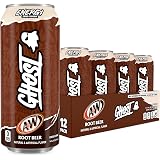
GHOST Energy Drink, Zero Sugars, 12-Pack, A&W Root Beer, 16oz | Energy & Focus Pre Workout Drink, No Artificial Colors, Gluten-Free, Vegan - 200MG Natural Caffeine, L-Carnitine, Taurine
$29.99 (as of October 3, 2026 03:06 GMT +00:00 - More infoProduct prices and availability are accurate as of the date/time indicated and are subject to change. Any price and availability information displayed on [relevant Amazon Site(s), as applicable] at the time of purchase will apply to the purchase of this product.)
Newly Upgraded Cat Deterrent Spray, Cat Deterrent for Furniture Protection, Pee Spraying, Excessive Chewing & Scratching Everywhere, Cat Repellent Indoor and Outdoor, Pet-Safe Formula, 5.07 Fl Oz
$19.98 (as of October 3, 2026 03:14 GMT +00:00 - More infoProduct prices and availability are accurate as of the date/time indicated and are subject to change. Any price and availability information displayed on [relevant Amazon Site(s), as applicable] at the time of purchase will apply to the purchase of this product.)











Post Comment