
Why Allbirds’ Latest Move Could Shake Up the Entire Sneaker Game—And Your Portfolio

If you thought Allbirds’ claim to fame was their cozy, sustainable kicks, you’re about to have your socks—and maybe your shoes—knocked off. Imagine a company once hailed for its eco-friendly footwear, trading in its sneakers for silicon chips, pivoting headfirst into the AI compute infrastructure frenzy like a duck suddenly deciding it wants to fly supersonic. That’s right: Allbirds, which once strutted with a market cap north of $4 billion, has now morphed into NewBird AI, a firm chasing the elusive dream of becoming the go-to GPU-as-a-service provider in the cloud. It’s a move that’s bold, bewildering, and maybe a little bit bonkers—but hey, when your stock jumps 641% in a single day, who’s to argue with the market’s strange logic? What’s behind this wild transformation—clever strategy, desperate pivot, or just a classic case of riding the latest tech craze? Strap in, because this story isn’t just about shoes anymore—it’s about how the hustle in Silicon Valley sometimes means losing your sole to chase the soul of AI. LEARN MORE

If you thought Allbirds were trendy when they made shoes, prepare yourself.
Allbirds has stopped making its signature product and pivoted straight into a technology driving the zeitgeist. With its market cap having fallen from more than $4 billion to somewhere in the $20 million range, last month Allbirds sold its shoe business and rechristened itself NewBird AI Not content to merely provide footwear to the Silicon Valley set, the company now wants to supply them with computing power. In the company’s words, it is “pivot[ing] its business to AI compute infrastructure, with a long-term vision to become a fully integrated GPU-as-a-service (GPUaaS) and AI-native cloud solutions provider.”
Some might question such a drastic change. Notably, Allbirds has given it enough thought and planning to forego its claim to being a “public benefit corporation.” NewBird AI noted that its new business “would be less focused on the public benefit of environmental conservation,” and asked stockholders to okay changes to its charter to that effect.
Over on Wall Street, this did not dampen enthusiasm for the rebranded company. Quite the opposite. The stock rose 641% in one day. Part of this rise may be attributable to a short squeeze, considering that almost one-fifth of NewBird AI (nee Allbirds) stock was being held by shorts. But another part can be safely chalked up to the irresistible if temporary allure of companies that wrap themselves up in the latest technological craze. The Long Island Blockchain, which started out as the Long Island Iced Tea Company, might be the most memorable example. Facing a delisting by Nasdaq, it changed its name and saw its stock soar more than 400% on the day, before it had even partnered with a blockchain company. All of this recalls the dot-com-era naming trend in which, according to a Purdue University study of 95 companies, adding the appendage “.com” to their names increased their share prices an average of 74% in the ensuing 10 days.
But there could be even more at play here. Analysts at JPMorgan have noted that meme stocks are gaining public popularity of late. The potential reason they point to is a change to the FINRA’s so-called pattern day trader rule, which was approved by the SEC. Drafted in response to the popping of the dot-com bubble, it required active day traders to have $25,000 of equity in a margin account. The new rule replaces that requirement with more flexible terms and has allowed more investors with smaller accounts to do short-term trading.
Let’s hope they don’t lose their shoes.
—
Want faster, smarter insights into SEC filings and disclosures? Request a free trial of Intelligize+ AI™ and see what you’ve been missing.
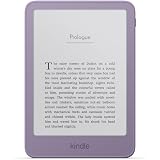
Amazon Kindle 16GB (newest model), Now thinner, lighter, and faster, 6" display, Ube
$149.99 (as of October 24, 2026 03:34 GMT +00:00 - More infoProduct prices and availability are accurate as of the date/time indicated and are subject to change. Any price and availability information displayed on [relevant Amazon Site(s), as applicable] at the time of purchase will apply to the purchase of this product.)
Tomkas Small Dog Cat Sling Carrier Puppy Purse Travel Wrap Soft Crossbody Pet Bag (Black1, M - Classic Pocket & Classic Strap)
$13.99 (as of October 24, 2026 03:23 GMT +00:00 - More infoProduct prices and availability are accurate as of the date/time indicated and are subject to change. Any price and availability information displayed on [relevant Amazon Site(s), as applicable] at the time of purchase will apply to the purchase of this product.)
blink plus plan with monthly auto-renewal
$11.99 (as of October 24, 2026 03:23 GMT +00:00 - More infoProduct prices and availability are accurate as of the date/time indicated and are subject to change. Any price and availability information displayed on [relevant Amazon Site(s), as applicable] at the time of purchase will apply to the purchase of this product.)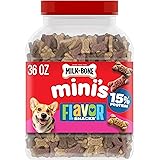
Milk-Bone Flavor Snacks Mini’s Dog Treats, 36 Oz. | 5 calories per treat, 15% protein, 3 flavors per canister (beef, chicken & bacon, naturally & artificially flavored)
$11.48 (as of October 24, 2026 03:13 GMT +00:00 - More infoProduct prices and availability are accurate as of the date/time indicated and are subject to change. Any price and availability information displayed on [relevant Amazon Site(s), as applicable] at the time of purchase will apply to the purchase of this product.)











Post Comment