How This 64-Year-Old Rebel Defied Age and Science to Train 6 Days a Week—And You Can Too
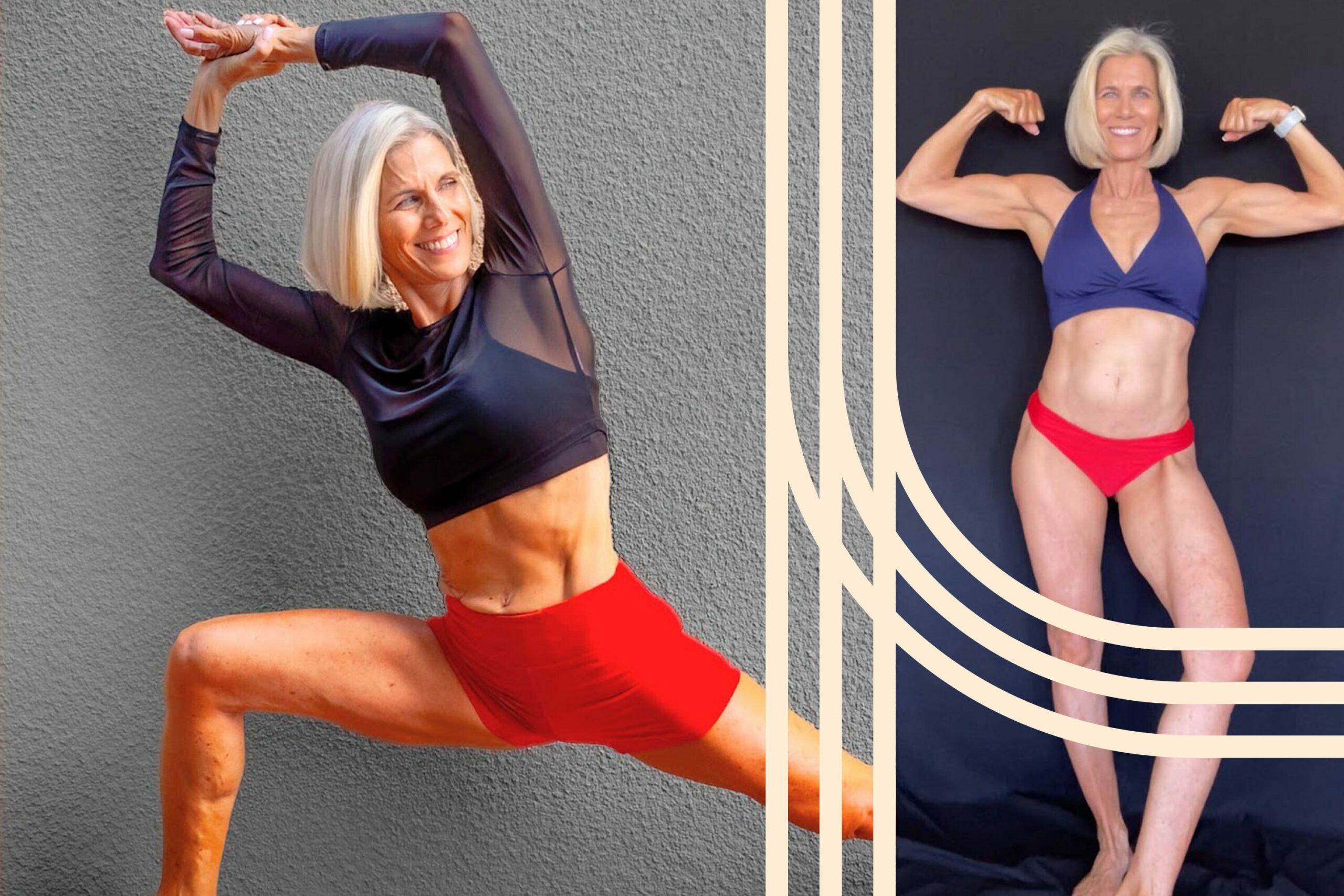
Ever spent your whole life convinced that cardio was the be-all and end-all of fitness, only to realize later that lifting a few heavy things might just be your secret weapon? Yeah, me too. For years, I was glued to the treadmill or elliptical, thinking strength training was something for someone else—a necessary evil at best. Then, at 57, with a bit more time on my hands and a trainer persistently nudging me, I decided to give those dumbbells a real shot. What followed was nothing short of a game-changer—muscle gains, newfound strength, and an empowerment that I hadn’t quite expected. If you think it’s too late to rethink your fitness routine or that cardio’s the only road to health, think again. This isn’t just about muscles—it’s about independence, confidence, and being able to chase grandkids around a jungle gym without a second thought. Ready to flip the script on your workout? Dive into this story and see how strength training transformed my life. LEARN MORE
 5 min read
For most of my life, I was all about cardio. I ran track in high school, taught aerobics after college, and you could almost always find me on the treadmill or elliptical at the gym. I’d pick up light weights every now and then, and knew strength training was important for building muscle and staying healthy, but I just didn’t prioritize it; I thought cardio was the gold standard of fitness.
In my 40s and 50s, I did my cardio workouts at a small gym where everyone knew each other, and there was a trainer who would always joke about when I was finally going to let him teach me how to strength train. For years, I laughed it off and didn’t think much of it, but during the summer when I was 57, I had some extra time on my hands, so I decided to take him up on his offer. I realized that as I got older, it was time to focus on building muscle through strength training so I could stay independent for as long as possible.
So, we started training together twice a week, using a mix of free weights and weight machines, and I still did cardio on the other days of the week. Each strength session targeted a different muscle group—like glutes, hamstrings, back, or shoulders—and I learned about proper form, progressive overload (increasing the variables to challenge my muscles over time), and the importance of recovery. I also began tracking macros; I’d always maintained a balanced diet, but since I’d started consistently lifting weights, I increased my protein and carb intake to better support my training and muscle growth.
Some of the workout moves initially felt awkward, but after a few weeks, I got the hang of things and really started to enjoy strength training. Plus, I felt strong, which was empowering, and I loved knowing that every bit of strength I was building would pay off later. I also noticed some muscle definition in my arms and glutes, which was incredibly motivating for me to keep going. In fact, I enjoyed strength training so much that I eventually increased sessions with my trainer to four a week, and cut back on cardio almost entirely.

Now, at 64, I program my own workouts, focusing on full-body strength.
I worked with the same trainer for more than eight years, but when he moved away at the beginning of 2025, I took it as the perfect opportunity to start designing my own workouts. I felt confident enough to do so after years of learning from him, but I also enrolled in a personal training course to deepen my fitness knowledge.
Today, I train six days a week in my home gym—here’s what my workout split looks like:

I switch up my exercises every six weeks, but I typically do five to six moves per session, with three sets of 10 to 15 reps each. My routine includes a mix of dumbbell, barbell, and cable work, with staples like deadlifts, shoulder presses, glute kickbacks, squats, and lat pulldowns. I also include one core exercise per workout, such as hanging leg raises, weighted sit-ups, or Russian twists. I no longer do traditional cardio, but I walk 10,000 to 12,000 steps a day for my cardiovascular health and do 30 minutes of stretching three to four times a week to improve my flexibility and mobility.
I love being able to lift weights, but as a grandma, I’m especially proud that I can play sports with my grandkids, climb through a jungle gym, and get up off the ground without a second thought. I understand there’s no magic trick for staying healthy, but I firmly believe that strength training keeps me active, mobile, and energized so I can fully enjoy those moments with my family.
3 Products I Can’t Train Without

Oikos Pro Strawberry Greek Yogurt
This yogurt is a staple in my diet because it’s high in protein and perfect for a quick snack.

Ninja CREAMi
I love making protein ice cream in my Ninja CREAMi. It’s easy and convenient to use, and makes delicious desserts.

PeakPursuit Wall Mount Cable Station
I use this cable machine in my home gym for a variety of exercises. It’s compact, stable, and incredibly versatile.
My strength transformation was successful because of these three factors:
1. I learned from an expert coach.
For most of my life, strength training wasn’t in my wheelhouse—plus, I thought cardio was better for my overall health—so I stuck to what felt familiar and comfortable. But that all changed when I decided to work with a coach, which became an incredible learning opportunity.
Having guidance early on helped me build a solid foundation in weight training, from mastering proper form, to understanding how to train effectively and safely. It also gave me a sense of accountability that kept me consistent, even when my workout routine felt challenging. Over the years we trained together, I learned the purpose behind each movement and how it contributed to long-term progress, which ultimately gave me the confidence to program my own workouts.

2. I started small to make consistency a habit.
When I first began strength training, I committed to just two days a week because it felt doable, and I knew that keeping my routine simple at the beginning would help me avoid feeling overwhelmed or intimidated. In my eyes, those first few weeks were all about showing up, learning the moves, and building confidence in the gym. Then, as I got stronger and more comfortable with the exercises, I naturally added more sessions. For me, starting small was key to staying motivated, consistent, and creating a habit that would last long-term.

3. I embraced the idea that it’s never too late to get stronger.
Learning to strength train at 57 was a little intimidating, but what started as something unfamiliar and slightly daunting quickly became one of the most empowering decisions I’ve ever made. It wasn’t easy, but getting stronger isn’t about where you start or how long you’ve been exercising—it’s about your willingness to begin and show up consistently. Keeping my workouts simple, learning from an expert, and scheduling my workouts in advance made it easier to follow through and stay on track with my muscle-building goals.
It’s been seven years since I began my strength journey, and I’ve gained so much more than muscle. I’ve built confidence, learned what my body can really do, and discovered how capable I truly am…and honestly, that’s been the most rewarding part. I lift weights so I can age strong, capable, and free, and that’s exactly what I’m doing.
Andi Breitowich is a freelance writer who covers health, fitness, relationships, beauty, and smart living. She is a graduate of Emory University and Northwestern University’s Medill School of Journalism. Her work has appeared in Women’s Health, POPSUGAR, Food & Wine, What To Expect, Cosmopolitan, Men’s Health, and elsewhere. As a former collegiate pole vaulter, she loves all things fitness and has yet to meet a group workout class she doesn’t like.

Viper Biothane K9 Working Dog Leash Waterproof Lead for Tracking Training Schutzhund Odor-Proof Long Line with Solid Brass Snap for Puppy Medium and Large Dogs 6ft, Black
$29.99 (as of September 13, 2026 03:08 GMT +00:00 - More infoProduct prices and availability are accurate as of the date/time indicated and are subject to change. Any price and availability information displayed on [relevant Amazon Site(s), as applicable] at the time of purchase will apply to the purchase of this product.)
Earth Rated Dog Wipes for Paws & Butt, Deodorizing, Unscented, 100ct | Hypoallergenic, 3-in-1 Cleaning and Hydrating, for Grooming Paws, Body and Butt
$9.99 (as of September 13, 2026 03:03 GMT +00:00 - More infoProduct prices and availability are accurate as of the date/time indicated and are subject to change. Any price and availability information displayed on [relevant Amazon Site(s), as applicable] at the time of purchase will apply to the purchase of this product.)
Amazon Brand - Happy Belly Dark Roast Coffee Pods, Compatible with Keurig 2.0 K-Cup Brewers, 100 Count
$33.02 (as of September 13, 2026 03:03 GMT +00:00 - More infoProduct prices and availability are accurate as of the date/time indicated and are subject to change. Any price and availability information displayed on [relevant Amazon Site(s), as applicable] at the time of purchase will apply to the purchase of this product.)
Banana Bunch (4-5 Count)
(as of September 13, 2026 03:03 GMT +00:00 - More infoProduct prices and availability are accurate as of the date/time indicated and are subject to change. Any price and availability information displayed on [relevant Amazon Site(s), as applicable] at the time of purchase will apply to the purchase of this product.)













Post Comment