Inside the Pit Lane: The Deadly Seconds That Make or Break an F1 Race Day Victory
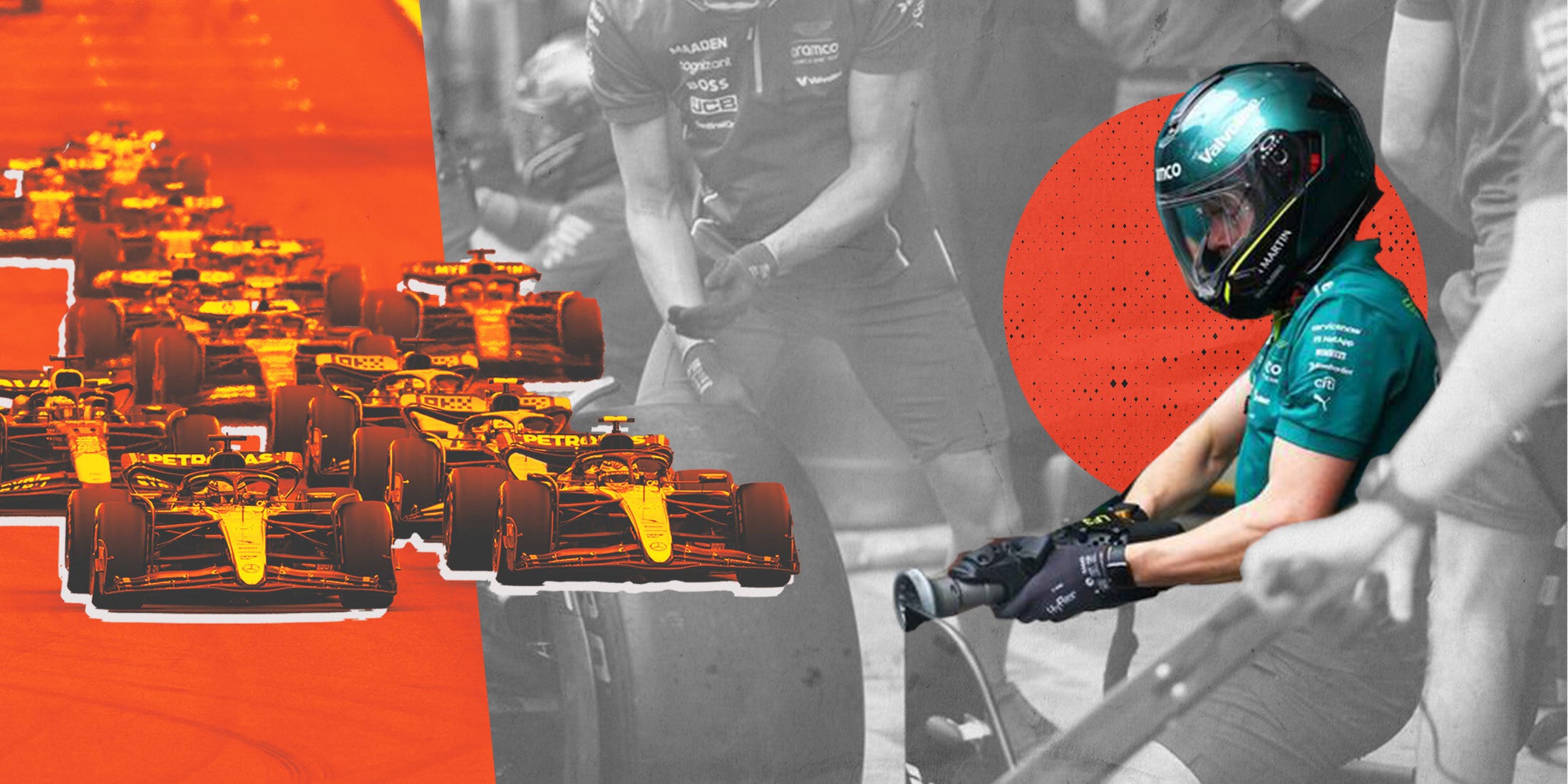
Ever wondered what it feels like to swap out four blazing-fast tires and fill up a race car’s gas tank in under two seconds? No, it’s not some superhero power—it’s Formula 1 pit stop magic. If you’ve ever caught a glimpse from the Paddock Club or binged a season of Drive to Survive, you know the intense ballet of a pit crew in action is just as electrifying as those heart-pounding laps on the track. In a sport where milliseconds make or break glory, these pit warriors execute a chaotic dance with precision and razor-sharp focus. But what does it truly take to nail a pit stop that fast? And how has the game changed with new lighter tires and ultra-powerful impact guns? Stick with me as we dive into the high-stakes, sweat, and muscle behind the scenes—with insights straight from F1 insider Andy Rush, who’s been at the heart of this high-octane drama. Ready to pump up your own tire-changing game? Let’s roll. LEARN MORE
 6 min read
IF YOU’VE BEEN to an F1 race, possibly above the garages in the Paddock Club, or watched a season of Drive to Survive, you know that the pit stops can be just as exciting as the laps on the track during the 305-kilometer contest. The pit crew’s ability to swap out four specialized Pirelli tires and fill a gas tank in a matter of seconds is critical to the team’s success in a super-competitive sport where each second, even millisecond, matters. During these stops, an explosion of kinetic movement occurs, and in a situation that could easily turn chaotic; these crews demonstrate precision and a high level of performance.
WATCH THE MIAMI GRAND PRIX ON APPLE TV
Red Bull Racing earned the DHL Pit Stop Award in both 2023 and 2024; F1 gearbox technician Andy Rush was a member of the acclaimed crew both of those years. This season, he’s with Aston Martin, returning to the team after three seasons, 54 races, and 32 team wins with Red Bull. As fans of the sport know, drivers, tech, and office staff are all known to change teams often in the traveling circus that is F1. What never changes is the pursuit of speed and excellence.
When it seems like the attention and pressure couldn’t grow anymore, Apple has stepped in to make watching races even more accessible and is already developing a sequel to last year’s box office hit F1, starring Brad Pitt. Back at his hotel after a full day of prepping for the weekend’s race, Rush spoke with Men’s Health about what it’s like to work in the paddock and a few tips if you want to change your tires like a F1 pit mechanic.

Aston Martin’s pit crew in action.
MEN’S HEALTH: What is required to succeed in doing a sub-2-second pit stop?
ALEX RUSH: It truly is a team effort, and you see that demonstrated when the cars pull in for the pit stop. Everyone is shooting for that 1.9-second or 2-second stop; that’s how quickly we want to get the car back on that track. And there are 20 people who need to work together to accomplish that. We all have our own jobs to do in that instance, and we all are relying on each other to knock out our own responsibilities.
For me, as a gunman, I have to pay attention to my two main points of contact in the team, which is going to be my wheel-off man and my wheel-on man. The three of us are the ones involved with changing the tires. And between the three of us, we are paying attention to the patterns and everything happen in our peripheral. There is a lot of muscle memory that is happening.
MH: This year brought changes to the Pirelli motorsport tires that F1 has been using for the past 14 seasons. There are now five different compounds, and the tires are lighter than in previous seasons. Has this changed your pit stops at all?
AR: Lighter and quicker is always better on our end. The tires were never especially heavy to lift, and the weight itself, 45 kg for a complete set, isn’t a tremendous amount. It’s more the awkwardness of the shape. The weight for each tire would be lifted easily if it were a dumbbell, shaped to your hand, and built with a grip. If you’ve ever changed the tire of your own car, you’ll know that doing it in a few seconds wouldn’t be an easy task. But that’s what these tires and the equipment we use were developed for.
MH: Can you talk about the guns that you use to change the Pirelli tires?
AR: The wheel guns we have are supplied by another Italian company, Paoli, which are like high-powered impact wrenches of sorts. Every team has its own variation. Ours are running at around 30 bar, which is a lot of pressure. Fast enough to take a wheel nut off in almost half a second.
As you can imagine the torque and kickback is pretty serious, so if you’re not trained for it or prepared for it, you can be thrown off. But once you’ve used these guns enough, you learn how to control them. At that point it’s not so much about strength, or overpowering the situation, you are learning how to control it. The guns start to feel like an extension of you.
They are also extensions of our team’s computer system, the triggers change direction of the gun, and a trigger to pull when I’m engaged on the nut. The button that is there to indicate to the team that the tire is one, and all the other four gunmen have the same button. The jackman has a button that let’s us know when he’s ready as well. Once all of our buttons are green, the car drops, and it’s off.

The five new compounds from Pirelli, which supplies all the tires for F1.
MH:I know you’re a big runner, so your cardio is up, but what other training is important when it comes to your job during a pick stop?
AR: These movements that we are doing, whether it’s removing the tires, slamming the tires on, or bolting them on, are very explosive. Your body has to be prepared. I would say that grip strength and core strength are hugely important, along with reaction time. So when I’m training, I want to make sure that I have some explosive movements in there. I am doing plenty of core work and rotational work.
I would say several movements that help me in both of those objectives are Russian Twists with a kettlebell, Bulgarian split squats, and good old pull-ups or dead hangs. We have trainers who work with the team who will also help push us in certain directions if we want. When we are at the track, we are practicing our pit stops every day, which is a great workout in itself.
Because we’re traveling so much I don’t have room in my pack to carry a lot of training gear with me. That’s why I’ve enjoyed picking up running more and more, because all I need is my running shoes, my Garmin to track the route, and especially for races in hotter locations like Qatar or Singapore, I have been packing electrolytes from PureSport just to make sure I’m good on hydration.
MH: What is it like being in the team garages during a race, waiting for the next high-octane pit stop?
AR: I think people would be surprised to know that we are just listening to the roars of the race. We aren’t getting all of the team communications or commentary that the viewers on Apple TV are hearing. We’re watching data on the screen, while we watch video of the race happening without sound. The pit crew works for both drivers, so we’ll just gave a tap on the shoulder or a call through the radio that this-or-that driver are coming in 15 seconds or so.
That’s when we will put on our helmets or throw down the visor. I would say that that’s the action that signals “gametime” more than anything else. Boom, helmet on, out we go. I sit down, prep my line, prep my gun, and wait for the car to come in. My eye is on the target, making sure I’m ready to go as soon as the car hits that jack.
MH: In addition to hitting some Russian Twists and Bulgarian split squats, what recommendations would you have for F1 viewers at home who want to change a tire better.
AR: Impact wrenches make the job quite a bit easier, for my cars I’ve always been a DeWalt guy. I like them for the car, but also any other drilling needs I have at home during those rare instances when I have some time away from the track. A solid impact wrench, a manual wrench for the final adjustment, and a car jack will have you right.
Pit Stop Gear

Dewalt Cordless 1/2 Impact Wrench Kit

ROGTZ Electric Hydraulic Car Jack Kit
Now 23% Off

LEXIVON Hand 1/2 Torque Wrench
Try Men’s Health’s Training Guides

Men’s Health Muscle After 40 At Home
Now 15% Off
This comprehensive, 192-page workout guide includes a 12-week strength training plan that’s designed to build and maintain muscle efficiently using only minimal equipment, with exercises tailored to your specific fitness level. Featuring home-friendly workouts and the best muscle-building moves for guys over 40, this plan will help you pack on muscle without taxing your joints or risking injury, all while saving money and cutting the gym commute.

Men’s Health 28 Day Belly Fat Burner Workout
Blast belly fat and chisel your abs at the same time with this ultimate plan! Developed by expert trainer David Otey, B.S., C.S.C.S., and the editors at Men’s Health, this guide will help you get rid of your gut, reveal epic abs, and reach your body goals in just under a month. This program uses a mix of medium to high-intensity compound exercises that work multiple body parts at once so you can force your body into fat-burning mode and boost muscle growth.

Men’s Health Weight Loss After 40
Ditch the diet and lose weight at 40+! This is the ultimate program to transform your body in just eight weeks. Designed for guys who don’t want to spend their lives in the gym, this next-level plan teaches fat-blasting habits to drop pounds, gain energy, and feel your best.

Men’s Health No Gym Required: Kettlebells
You can change your whole body with just one kettlebell! This 30-day workout plan is the ultimate program designed to help you burn fat, build muscle, and get seriously fit—without ever stepping foot inside a gym. Sculpt bigger arms, build stronger abs, and layer on muscle with no fancy equipment required.
Charles Thorp is the Fitness and Reviews Editor at Men’s Health, where he shares the best product recommendations in gym equipment, recovery tools, supplements, and more. Following an early life in athletics, Charles became a NASM-certified trainer and began writing programs alongside the most respected coaches in the world. Since entering the world of fitness content, Charles has had the opportunity to learn from and train alongside high performance individuals from the NFL, UFC, NBA, Formula 1, CrossFit, US Olympics, and Navy SEALs. When he’s not writing about training programs or gear, he can be seen at the gym or in the wild, putting them to the test.

Roku Streaming Stick Plus with Voice Remote - 4K & HDR10+ | 4K & HDR Streaming Device for TV with Roku Voice Remote - Free & Live Local News, Sports (Renewed)
$44.99 (as of September 21, 2026 03:22 GMT +00:00 - More infoProduct prices and availability are accurate as of the date/time indicated and are subject to change. Any price and availability information displayed on [relevant Amazon Site(s), as applicable] at the time of purchase will apply to the purchase of this product.)
Apple iPad 11-inch: A16 chip, 11-inch Model, Liquid Retina Display, 128GB, Wi-Fi 6, 12MP Front/12MP Back Camera, Touch ID, All-Day Battery Life — Blue
$427.00 (as of September 21, 2026 03:12 GMT +00:00 - More infoProduct prices and availability are accurate as of the date/time indicated and are subject to change. Any price and availability information displayed on [relevant Amazon Site(s), as applicable] at the time of purchase will apply to the purchase of this product.)
Premier Protein 30g High Protein Shake, Chocolate, 12 Pack | 160 Calories, 24 Vitamins & Minerals, No Added Sugar, Supports Muscle Health, Gluten-Free, 11 oz
$23.97 (as of September 21, 2026 03:04 GMT +00:00 - More infoProduct prices and availability are accurate as of the date/time indicated and are subject to change. Any price and availability information displayed on [relevant Amazon Site(s), as applicable] at the time of purchase will apply to the purchase of this product.)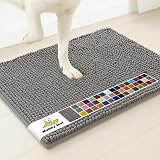
Muddy Mat® | Super Water Absorbent Door Mat Indoor, Microfiber Quick Dry Chenille Entryway Rug, Slip Resistant Front Door Mat, Indoor Mats for Entryway, Machine Washable Pet Rug, Grey 30"x19"
$22.70 (as of September 21, 2026 03:10 GMT +00:00 - More infoProduct prices and availability are accurate as of the date/time indicated and are subject to change. Any price and availability information displayed on [relevant Amazon Site(s), as applicable] at the time of purchase will apply to the purchase of this product.)












Post Comment