
Why Ireland’s Sky-High Electricity Bills Are Quietly Crushing Household Budgets—And What You Need to Know Now
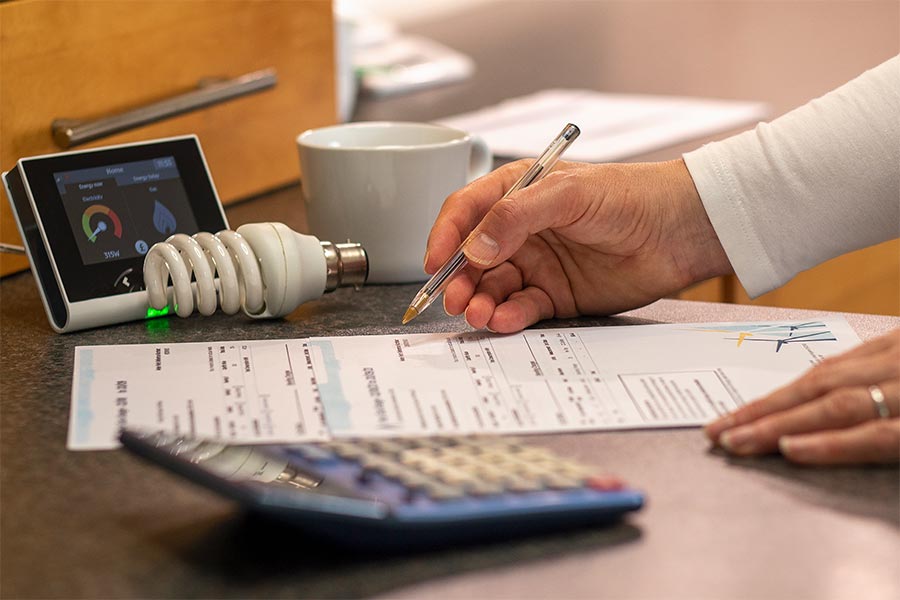
So, electricity prices across the EU have decided to play it cool in the latter half of 2025, barely budging from earlier this year—but here’s the kicker: Irish consumers are still stuck paying the highest bills in the entire bloc. Why is that? Well, it’s not just energy costs driving the spike—it’s those sneaky taxes and levies that have crept up, making up nearly 29% of the total cost. That’s like getting hit with a surprise fee on your morning coffee… but on a much, much bigger scale. And get this—while many countries are juggling their rates with ups and downs, Ireland’s facing a jaw-dropping 32.7% annual hike, sending shockwaves through households and businesses alike. So, what’s behind this patchwork of price shifts across Europe, and how are everyday folks managing this electric squeeze? Let’s dive in and unpack the numbers that are lighting up—or burning up—the EU’s electricity market. LEARN MORE.
Household electricity prices across the European Union remained broadly stable in the second half of 2025, according to the latest data from Eurostat, but Irish consumers continue to face the highest costs in the bloc.
Average EU electricity prices edged up slightly to €28.96 per 100 kWh, compared with €28.79 in the first half of the year.
Despite the marginal increase, prices remain significantly higher than pre-2022 energy crisis levels, underlining the lasting impact of the surge in global energy costs.
The modest rise was largely driven by higher taxes and levies rather than wholesale energy costs.
Taxes increased to €0.0837 per kWh, up from €0.0804 earlier in the year, and now account for 28.9% of total household electricity bills.
This offset a slight decline in pre-tax electricity prices, resulting in a net increase for consumers.
Ireland recorded the highest household electricity prices in the EU at €40.42 per 100 kWh, followed by Germany and Belgium.
At the other end of the scale, Hungary, Malta and Bulgaria reported the lowest prices.
Price movements varied sharply at national level.
Ireland saw a significant annual increase of 32.7%, placing additional pressure on households and raising competitiveness concerns for businesses.

Romania and Austria also recorded steep rises, while countries such as France, Denmark and Cyprus experienced notable declines.
When adjusted for purchasing power, Romania had the highest relative electricity costs, highlighting ongoing disparities in energy affordability across the EU.

Ljusmicker for AirPods Pro 3 Case 2025 with Cleaner Kit,Black | Soft Silicone Protective Cover for Apple AirPod Pro 3rd Generation Case with Keychain for Women Men,Shockproof
$5.99 (as of October 15, 2026 03:21 GMT +00:00 - More infoProduct prices and availability are accurate as of the date/time indicated and are subject to change. Any price and availability information displayed on [relevant Amazon Site(s), as applicable] at the time of purchase will apply to the purchase of this product.)
Banana Bunch (4-5 Count)
(as of October 15, 2026 03:09 GMT +00:00 - More infoProduct prices and availability are accurate as of the date/time indicated and are subject to change. Any price and availability information displayed on [relevant Amazon Site(s), as applicable] at the time of purchase will apply to the purchase of this product.)
Greenies Teenie Original Natural Dental Dog Treats, Chicken, 130 Count | Veterinarian-recommended, supports oral health & freshens breath, clean to gumline, for dogs 5-15 lbs, chicken flavor
$36.97 (as of October 15, 2026 03:11 GMT +00:00 - More infoProduct prices and availability are accurate as of the date/time indicated and are subject to change. Any price and availability information displayed on [relevant Amazon Site(s), as applicable] at the time of purchase will apply to the purchase of this product.)
blink plus plan with monthly auto-renewal
$11.99 (as of October 15, 2026 03:21 GMT +00:00 - More infoProduct prices and availability are accurate as of the date/time indicated and are subject to change. Any price and availability information displayed on [relevant Amazon Site(s), as applicable] at the time of purchase will apply to the purchase of this product.)













Post Comment