Crush High Blood Pressure Naturally: The Power Move Hidden in Your Next Cup of Tea!

Ever wondered if the secret to dialing down your blood pressure has been chilling in your kitchen all along? Yep, I’m talkin’ about that humble cup of tea — steaming on a cold morning or iced and refreshing when the sun blazes down. It’s wild how this everyday ritual, so simple and wallet-friendly, packs a punch for your heart health without the fuss of pricey supplements or confounding routines. Seriously, who knew that sipping on something so comforting could quietly nudge your blood pressure in the right direction? Stick with me, and I’ll spill the tea on how embracing this tasty habit could become one of your best moves against high blood pressure. LEARN MORE.

If you’ve been searching for an easy, natural way to support healthier blood pressure, the answer may already be sitting in your kitchen cabinet. Tea—whether you sip it steaming hot on a chilly morning or pour it over ice on a sweltering afternoon—is one of the simplest, most affordable tools for women who want to take charge of their heart health. No complicated routines, no expensive supplements, just a comforting cup that works quietly in your favor. Here’s how to reap the health benefits of drinking tea for high blood pressure.
Why tea for high blood pressure works
The secret lies in compounds called flavanols, natural antioxidants found abundantly in tea leaves. These plant-based powerhouses appear to relax blood vessels and help them function more efficiently, which can translate to meaningful improvements in your blood pressure readings.
A study in the journal Scientific Reports of over 25,000 people found that those who consumed the most flavanols had blood pressure levels about 3 mmHg lower than those who consumed the least. That may sound modest, but in the world of blood pressure management, a three-point drop is the kind of difference that doctors get excited about—especially when it comes from something as pleasant as drinking tea daily.
What makes tea such a delicious daily habit
What makes tea such an appealing option is how effortlessly it fits into the rhythms of daily life. Hot tea has long been celebrated for its calming qualities, and research suggests that the stress-soothing effect is itself a bonus for blood pressure, since chronic stress is a known contributor to hypertension.
But don’t overlook iced tea, especially during warmer months. The beloved summer drink delivers the same flavanol benefits in a refreshing, hydrating form that’s easy to sip throughout the day. Whether you prefer drinking green tea, black tea or even a cup of hibiscus tea, each sip can help reduce your risk of high blood pressure, or hypertension. (Learn how to measure your blood pressure at home to track your progress.)
Boost the benefits of drinking tea for high blood pressure
To get the most out of your tea habit, brew it yourself rather than relying on bottled versions, which often contain added sugars and fewer beneficial compounds. Use freshly boiled water for hot tea, and let the leaves or bag steep for the full recommended time—typically three to five minutes—to extract the maximum flavanol content.
For iced tea, brew a strong batch using twice the usual amount of tea, then pour it over ice. You can also try cold-brewing tea overnight in the refrigerator for a smoother, less bitter flavor. Skip the sugar or sweeten lightly with a small touch of honey if needed. A squeeze of fresh lemon adds brightness and may even help your body absorb more of those heart-helping antioxidants.
More flavanol-rich foods to enjoy
Tea isn’t your only delicious option for boosting flavanol intake. Other flavanol-rich favorites include berries, cherries, plums, nectarines and grapes. Dark chocolate is a great source too—a small square of high-quality dark chocolate makes a satisfying afternoon treat that supports healthy blood pressure readings.
Building a flavanol-friendly plate is wonderfully simple: a handful of berries with breakfast, grapes as an afternoon snack, a sliced nectarine with lunch and a tall glass of iced tea with dinner. It’s the kind of approachable, enjoyable strategy you can actually stick with. Your heart will thank you for years to come.
Ready for more inspiration? Subscribe to our YouTube channel for video podcasts, health tips and uplifting stories designed for women 40, 50, 60 and beyond.
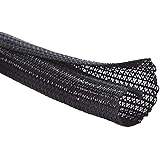
Alex Tech 10ft - 1/2 inch Cord Protector Wire Loom Tubing Cable Sleeve Split Sleeving For USB Cable Power Cord Audio Video Cable – Protect Cat From Chewing - Black
(as of July 9, 2026 02:53 GMT +00:00 - More infoProduct prices and availability are accurate as of the date/time indicated and are subject to change. Any price and availability information displayed on [relevant Amazon Site(s), as applicable] at the time of purchase will apply to the purchase of this product.)
BESIGN LS03 Aluminum Laptop Stand, Ergonomic Detachable Computer Stand, Notebook Riser, Laptop Mount Compatible with Air, Pro, Dell, HP, Lenovo More 10-15.6" Laptops, Silver
(as of July 9, 2026 02:59 GMT +00:00 - More infoProduct prices and availability are accurate as of the date/time indicated and are subject to change. Any price and availability information displayed on [relevant Amazon Site(s), as applicable] at the time of purchase will apply to the purchase of this product.)
Earth Rated Poop Bags for Dogs, Guaranteed Leak Proof and Extra Thick Waste Bag Refill Rolls, Lavender Scented, 270 Bags
$14.99 (as of July 9, 2026 02:38 GMT +00:00 - More infoProduct prices and availability are accurate as of the date/time indicated and are subject to change. Any price and availability information displayed on [relevant Amazon Site(s), as applicable] at the time of purchase will apply to the purchase of this product.)
Dosmix Retro Bluetooth Speaker, Vintage Decor Mini Wireless Speaker, Cute Portable Small Speaker for Bedroom Desk Kitchen Office, Old Fashion Style Room Decor Speaker, Gift for Women Men Girls(Green)
(as of July 9, 2026 02:59 GMT +00:00 - More infoProduct prices and availability are accurate as of the date/time indicated and are subject to change. Any price and availability information displayed on [relevant Amazon Site(s), as applicable] at the time of purchase will apply to the purchase of this product.)













Post Comment