How Trump’s Tough Border Policies Triggered a Stunning 94% Plunge in Illegal Crossings—What Every Entrepreneur Must Know About Risk and Opportunity
So, here’s something that really makes you pause: over 3 million people have exited the United States since Donald Trump slipped back into the Oval Office on January 20, 2025. That’s right. And a staggering 2.2 million of those departures weren’t forced—they were what officials are calling “self-deportations,” with a little nudge from the CBP Home app, of all things. Now, while we’re seeing a jaw-dropping 94% drop in illegal border crossings compared to the Biden era, the real kicker is what’s happening behind the scenes—particularly in the remittance game. Picture this: sending money back home no longer means hemorrhaging cash on fees through dated services like Western Union. Instead, stablecoins such as USDC and USDT are quietly revolutionizing the flow of funds in Latin America, slashing transfer costs from potential $20 hits down to mere cents. Throw in Trump’s executive order backing stablecoins and blocking a federal digital dollar, and you’ve got a perfect storm reshaping not just migration but the very infrastructure of money movement. But, with figures that are tough to verify, and debates swirling over the accuracy of self-deportation stats, what does all this mean for investors, entrepreneurs, and anyone watching the crypto frontier? Buckle up—there’s a lot more beneath the surface than meets the eye. LEARN MORE

More than 3 million people have left the United States since President Donald Trump returned to the Oval Office on January 20, 2025, according to figures the Department of Homeland Security shared with Fox News Digital. Of that total, roughly 2.2 million are classified as “self-deportations,” facilitated in part through the CBP Home app.
DHS says the administration has formally deported nearly 900,000 individuals and arrested more than 900,000 others as of May 17. Illegal border crossings, meanwhile, have plummeted 94% compared to the record highs recorded during the Biden administration.
The remittance angle no one’s talking about
Traditional remittance services like Western Union and MoneyGram have long dominated these corridors, charging fees that eat into every dollar sent. Dollar-pegged tokens like USDC and USDT already serve as de facto remittance rails in parts of Latin America, where recipients can convert to local currency through peer-to-peer exchanges or crypto on-ramps. Sending $200 worth of USDC costs a few cents in network fees. The same transfer through a legacy provider can cost $10 to $20.
Trump’s digital asset executive order adds fuel
On January 23, 2025, just three days after taking office, Trump signed an executive order explicitly supporting the growth of stablecoins and blockchain technology. The same order banned the creation of a US central bank digital currency, effectively clearing the runway for private-sector dollar tokens.
Circle, which manages USDC, has been aggressively expanding its Latin American presence. Tether’s USDT already dominates peer-to-peer trading in countries like Argentina, Venezuela, and Mexico.
Questions about the numbers
The 2.2 million self-deportation figure has drawn scrutiny. Measuring voluntary departures is inherently difficult, and analysts have raised questions about how reliably the CBP Home app tracks these exits. Traditional data sources for migration flows don’t always align neatly with government-reported figures.
DHS had previously reported over 2.5 million departures by December 2025, meaning roughly 500,000 additional departures were logged in the first few months of 2026.
What this means for crypto investors
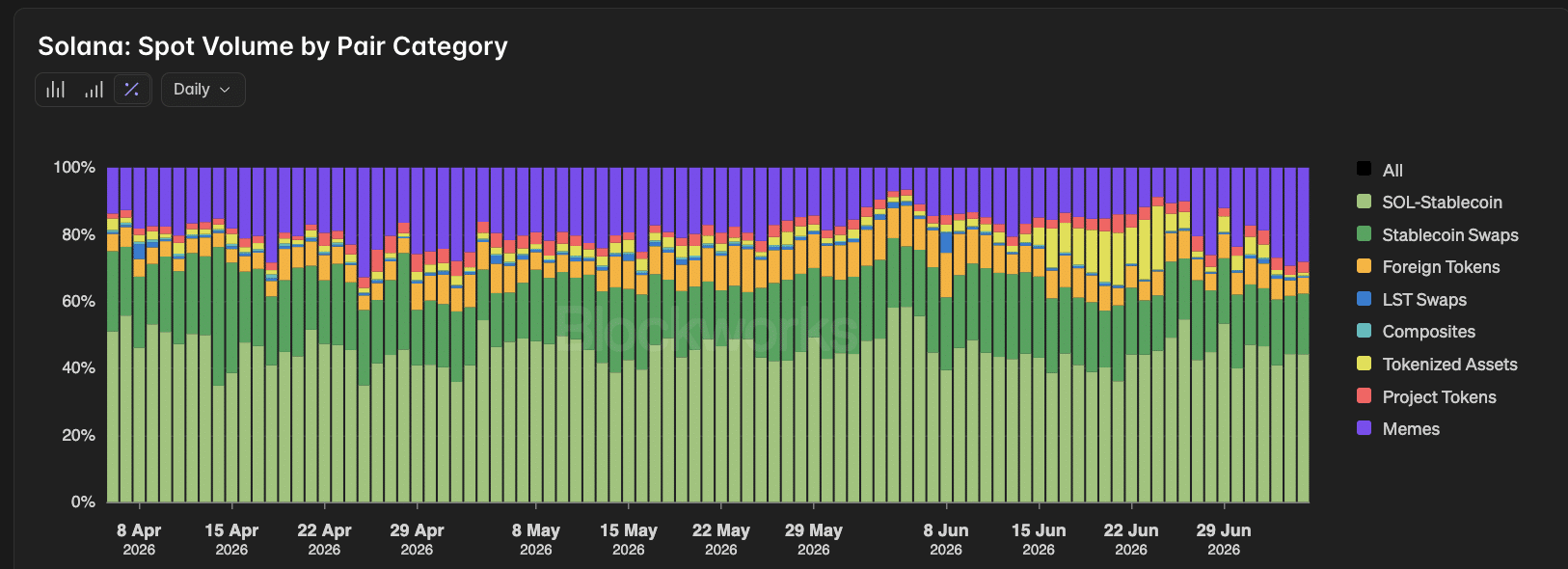
Investors should pay attention to two things. First, any legislative proposals that impose taxes or reporting requirements on remittance outflows. Second, stablecoin transaction volume on chains popular in Latin America, particularly Tron, which already handles the majority of USDT transfers globally.
Europe is moving toward its own digital euro. China already has the digital yuan. The US, by contrast, has banned a CBDC and is betting on the private sector to digitize the dollar, creating a regulatory moat for issuers like Circle and Tether that doesn’t exist in most other jurisdictions.

Sheba Perfect Portions Wet Cat Food Cuts in Gravy, Cat Food Wet Recipe, Roasted Chicken Entree, with Sustainable Salmon, Tender Turkey Entree, 2.6 oz. Twin-Pack Trays (24 Count, 48 Servings)
$25.96 (as of July 9, 2026 02:38 GMT +00:00 - More infoProduct prices and availability are accurate as of the date/time indicated and are subject to change. Any price and availability information displayed on [relevant Amazon Site(s), as applicable] at the time of purchase will apply to the purchase of this product.)
ARM & HAMMER Slide Platinum Easy Clean-Up Clumping Cat Litter, 37 Lbs | 24/7 Odor Control, Triple-Action Freshness, Non-Stick, Low Tracking, Multi-Cat Formula, Scented
$34.99 (as of July 9, 2026 02:38 GMT +00:00 - More infoProduct prices and availability are accurate as of the date/time indicated and are subject to change. Any price and availability information displayed on [relevant Amazon Site(s), as applicable] at the time of purchase will apply to the purchase of this product.)
Purina Tidy Cats Free and Clean Unscented Clumping Cat Litter with Odor Control - 38 lb. Box
$25.99 (as of July 9, 2026 02:48 GMT +00:00 - More infoProduct prices and availability are accurate as of the date/time indicated and are subject to change. Any price and availability information displayed on [relevant Amazon Site(s), as applicable] at the time of purchase will apply to the purchase of this product.)
Amazon Fire TV Stick HD, free and live TV, Alexa Voice Remote, smart home controls, HD streaming
(as of July 9, 2026 02:53 GMT +00:00 - More infoProduct prices and availability are accurate as of the date/time indicated and are subject to change. Any price and availability information displayed on [relevant Amazon Site(s), as applicable] at the time of purchase will apply to the purchase of this product.)












Post Comment