The Surprising Breakfast Hack That Could Supercharge Your Brain and Slash Alzheimer’s Risk—Experts Reveal All!

Is it possible that the humble egg—yes, that breakfast staple you’ve probably overlooked—holds more power for your brain than you ever imagined? Science is starting to crack the shell on this one, showing that folks who chow down on eggs regularly might actually be lowering their risk of Alzheimer’s. Imagine that: something as cheap and accessible as eggs, costing just a couple of bucks a dozen, potentially giving your noggin a fighting chance against one of the most daunting diseases out there. Now, before you scramble your diet plans, remember: this isn’t a magic bullet, but it’s a fascinating piece of the puzzle as researchers chip away at Alzheimer’s prevention. Intrigued? You should be. Let’s dive into what the latest studies reveal about eggs and brain health—and why this simple food might deserve a spot in your wellness routine. LEARN MORE
 4 min read
A new observational study found that people who ate eggs more than five times a week had up to a 27 percent lower risk of Alzheimer’s.
This isn’t the first observational study to link egg consumption with a lower risk of Alzheimer’s. A study in 2024 found that adults who had an egg a week had a 47 lower risk of developing the disease.
Still, experts say that eating eggs should be considered part of a broader Alzheimer’s prevention strategy and not a primary intervention.
While there’s no known cure for Alzheimer’s disease, scientists are slowly chipping away at things you can do to lower your chance of developing the devastating illness. Now, the latest research suggests that regular egg consumption might be linked to a lower risk profile.
That’s the take-home message from new research published in The Journal of Nutrition. The study found that regular egg-eaters had a significantly lower risk of developing Alzheimer’s disease compared to those who didn’t regularly eat eggs. That’s great news, considering eggs are a grocery store staple that can cost as little as $2 per dozen.
While the findings don’t suggest that eating eggs alone will magically obliterate the odds you’ll develop Alzheimer’s disease, it does add some interesting context to the existing research about diet and Alzheimer’s risk (this isn’t the first time eggs have been linked to Alzheimer’s risk). It’s also important to flag that the study was supported by a grant from the American Egg Board, although the organization didn’t have a role in the study design, analysis, or interpretation of the findings.
Here’s what the experts say about the latest data.
Meet the experts: Jisoo Oh, DrPH, MPH, lead study author and associate professor of epidemiology at the Loma Linda University School of Public Health; Clifford Segil, DO, a neurologist at Providence Saint John’s Health Center in Santa Monica, California; and Davide Cappon, PhD, director of Neuropsychology at Tufts Medical Center.
What did the study find?
For the observational study, researchers analyzed health data from nearly 40,000 participants in the Adventist Health Study-2 cohort, a long-term study in the U.S. and Canada that examines lifestyle, diet, and diseases.
During the nearly 15-year study period, 2,858 of the participants were diagnosed with Alzheimer’s disease. After analyzing the data, researchers found that people who ate eggs one to three times a month had a 17 percent lower risk of being diagnosed with Alzheimer’s disease compared to those who didn’t eat eggs. Interestingly, the risk dropped even further among those who ate eggs two to four times a week—by 20 percent. Those who reported eating the most eggs (more than five times a week) had up to a 27 percent lower risk.
Why might eggs lower your risk of Alzheimer’s disease?
It’s important to note that the study didn’t prove that eating eggs lowered the risk of Alzheimer’s disease—it just found an association between egg-eaters and a lower risk. “The main takeaway is that moderate egg consumption as part of a healthy diet may support brain health and be associated with a lower risk of Alzheimer’s disease,” says Jisoo Oh, DrPH, MPH, lead study author and associate professor of epidemiology at the Loma Linda University School of Public Health.
And it’s worth pointing out that this isn’t the first study to link egg consumption with a lower risk of Alzheimer’s disease. Another study published in the same journal in 2024 analyzed data from more than 1,000 older adults and found that those who had more than an egg a week were associated with a 47 percent lower risk of developing Alzheimer’s disease. People who ate two or more eggs a week saw similar risk reductions. In the 2024 study, two of the authors previously received research support from the Egg Nutrition Center. However, none of the funding sources—including the National Institutes of Health—played a role in how the data were analyzed or interpreted.
Experts hypothesize that the findings may be related to the nutritional content of eggs. “Moderate egg consumption may lower the risk of Alzheimer’s disease because eggs contain nutrients important for brain health, including choline, omega-3 fatty acids, lutein, zeaxanthin, and vitamin B12,” Oh says. “These nutrients support memory, neurotransmitter function, and protection against oxidative stress and inflammation.”
Eggs are also an “excellent” source of protein, points out Clifford Segil, DO, a neurologist at Providence Saint John’s Health Center in Santa Monica, California. Prior research suggests that getting plenty of protein may help protect the brain from Alzheimer’s disease, but this remains an ongoing area of study.
Dr. Segil also says that choline found in eggs may help beyond supporting memory and inflammation, noting that some medications that increase acetylcholine (a neurotransmitter that’s supported by choline) are used to treat Alzheimer’s disease.
Ultimately, the findings suggest that “small, consistent improvements in diet quality can meaningfully shift dementia risk,” says Davide Cappon, PhD, director of Neuropsychology at Tufts Medical Center.
How many eggs do you need to eat?
Since the study only observed an association between eggs and Alzheimer’s risk, there’s no exact, prescriptive amount of eggs that will reduce your risk. Instead, the study found that people who ate one to three eggs a month had a 17 percent lower risk; those who ate eggs two to four times a week had a 20 percent lower risk; and those who ate eggs more than five times a week had up to a 27 percent lower risk.
What else should you do to lower your risk of Alzheimer’s?
Beyond eggs, if you’re aiming to eat for brain health, Cappon suggests focusing on the Mediterranean diet and the MIND diet (both of which include eggs).
Egg consumption should be considered part of a broader Alzheimer’s prevention strategy, rather than a primary intervention, Oh says. “Established preventive approaches still include regular exercise, cardiovascular health management, adequate sleep, and overall healthy dietary patterns.”
Korin Miller is a freelance writer specializing in general wellness, sexual health and relationships, and lifestyle trends, with work appearing in Men’s Health, Women’s Health, Self, Glamour, and more. She has a master’s degree from American University, lives by the beach, and hopes to own a teacup pig and taco truck one day.
Carina Hsieh, MPH, is the deputy features editor of Women’s Health. She has more than a decade’s worth of experience working in media and has covered everything from beauty, fashion, travel, lifestyle, pets, to health.
She began her career as an intern in the fashion closet at Cosmopolitan where she worked her way up to Senior Sex & Relationships Editor. While covering women’s health there, she discovered her passion for health service journalism and took a break to get her Masters in Public Health. Post-grad school, she worked as a freelance writer and as The Daily Beast’s first Beauty, Health, and Wellness Reporter.
Carina is an alum of the Fashion Institute of Technology and the Yale School of Public Health. She and her French Bulldog, Bao Bao, split their time between Brooklyn and Connecticut. She enjoys reformer Pilates, (slow) running, and smelling the fancy toiletries in boutique fitness class locker rooms.

Purina Pro Plan Veterinary Supplements FortiFlora Dog Probiotic Supplement | FortiFlora Probiotic Supplement with strain of probiotics promotes intestinal health and can help management of diarrhea
$30.99 (as of September 20, 2026 03:04 GMT +00:00 - More infoProduct prices and availability are accurate as of the date/time indicated and are subject to change. Any price and availability information displayed on [relevant Amazon Site(s), as applicable] at the time of purchase will apply to the purchase of this product.)
Ring Pop Halloween Candy Lollipops, 20 Count, Assorted Flavor Party Favors | Halloween lollipops, individually wrapped, for candy bowls, trick-or-treat bags, and birthday parties
$8.54 (as of September 20, 2026 03:22 GMT +00:00 - More infoProduct prices and availability are accurate as of the date/time indicated and are subject to change. Any price and availability information displayed on [relevant Amazon Site(s), as applicable] at the time of purchase will apply to the purchase of this product.)
Quaker Chewy Granola Bars, Chocolate Chip, 58 Count - Packaging May Vary
$14.01 (as of September 20, 2026 03:22 GMT +00:00 - More infoProduct prices and availability are accurate as of the date/time indicated and are subject to change. Any price and availability information displayed on [relevant Amazon Site(s), as applicable] at the time of purchase will apply to the purchase of this product.)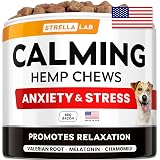
STRELLALAB Hemp Calming Chews for Dogs - Stress, Anxiety Relief Treats | Advanced Relaxing Support Supplement w/ Melatonin - Separation, Barking, Fireworks & Travel - All Breeds, Sleep Aid (120Ct)
$19.90 (as of September 20, 2026 03:10 GMT +00:00 - More infoProduct prices and availability are accurate as of the date/time indicated and are subject to change. Any price and availability information displayed on [relevant Amazon Site(s), as applicable] at the time of purchase will apply to the purchase of this product.)











Post Comment