
Russia’s Aviation Fuel Ban Shakes Global Markets: What Every Investor Needs to Know Before November 30th
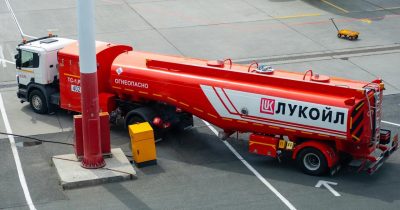
So, Russia just dropped a bombshell—literally grounding its jet fuel exports for the first time ever, effective immediately through late 2026. Makes you wonder: what’s the real story behind this unprecedented shutdown? Well, picture this—decades of crude-processing prowess, now at a grinding halt, marked by hits from relentless Ukrainian drone strikes that aren’t just a nuisance but a full-on structural blow to Russia’s refinery muscle. That’s right, their ability to refine crude into jet fuel, diesel, and gasoline has plummeted to its worst in over 16 years. To keep the domestic fuel market from imploding, Russia’s hit the brakes on jet fuel rail shipments, mainly cutting off its Central Asian customers—Kazakhstan, Kyrgyzstan, Tajikistan, Uzbekistan—you name it. The move may seem like a small ripple on the global scene since Russian jet fuel exports were modest to begin with, but the real takeaway? When infrastructure starts crumbling like this, the aftershocks can catch you off guard—especially in a world so hooked on energy. Curious to dive deeper into these fuel woes and the game-changing ban? LEARN MORE
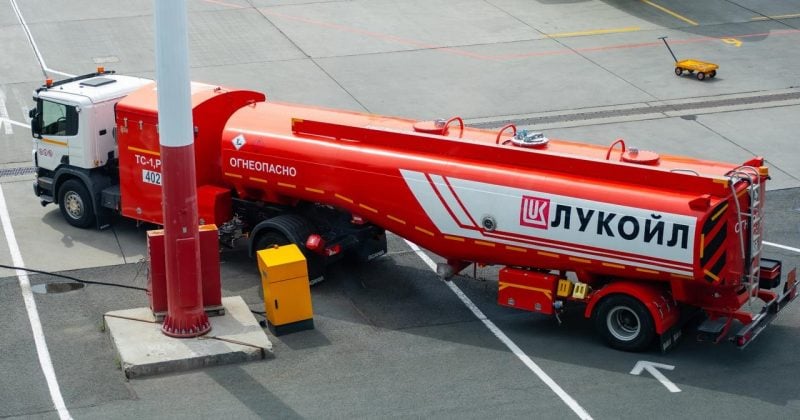
Russia has imposed a complete ban on aviation fuel exports, effective immediately through November 30, 2026. It’s the first time in the country’s history that jet fuel shipments abroad have been entirely prohibited.
The move comes as Russian crude-processing rates have fallen to their lowest point in over 16 years, a direct consequence of sustained Ukrainian drone strikes on oil refineries and energy infrastructure across the country.
What’s actually happening
The ban, announced on June 1, 2026, halts rail shipments of jet fuel that were predominantly headed to Central Asian nations. Kazakhstan, Kyrgyzstan, Tajikistan, and Uzbekistan were the primary recipients of these exports.
Russian government officials framed the decision as a stability measure for the domestic fuel market.
This isn’t Russia’s first foray into export restrictions on refined fuels. The country had already imposed limitations on gasoline exports as domestic supply pressures mounted throughout the conflict with Ukraine.
The volumes of aviation fuel that Russia was exporting were relatively modest in global terms. Analysts expect minimal immediate impact on worldwide fuel markets.
The refinery problem that won’t go away
Ukrainian drone campaigns have systematically targeted Russian refining infrastructure. Crude-processing output hitting a 16-year low isn’t a temporary blip. It represents a structural degradation of Russia’s ability to turn raw crude oil into usable products like gasoline, diesel, and jet fuel.

Blue Buffalo Health Bars Pumpkin & Cinnamon Dog Biscuits, 16 oz | Oven-Baked, Crunchy Texture, No Chicken By-Product, Corn, Wheat, or Soy
$4.98 (as of October 22, 2026 03:13 GMT +00:00 - More infoProduct prices and availability are accurate as of the date/time indicated and are subject to change. Any price and availability information displayed on [relevant Amazon Site(s), as applicable] at the time of purchase will apply to the purchase of this product.)
Fujifilm Instax Mini Instant Film, 20 Sheets – White Daylight ISO 800 for Instax Mini 13, 12, 11, 41 Cameras –Bundeld with The Tudak Store Microfiber Cleaning Cloth
$32.95 (as of October 22, 2026 03:33 GMT +00:00 - More infoProduct prices and availability are accurate as of the date/time indicated and are subject to change. Any price and availability information displayed on [relevant Amazon Site(s), as applicable] at the time of purchase will apply to the purchase of this product.)
CoBak 3 Pack Clear Ring Cover Compatible with Oura Ring 5 | Support Charging with Cover on, 0.5mm ultra-thin transparent TPU anti-scratch protector for Oura Ring 5, for men/women.
$11.98 (as of October 22, 2026 03:33 GMT +00:00 - More infoProduct prices and availability are accurate as of the date/time indicated and are subject to change. Any price and availability information displayed on [relevant Amazon Site(s), as applicable] at the time of purchase will apply to the purchase of this product.)
Amazon Basics Dog Poop Leak Proof Bags with Dispenser and Leash Clip, Unscented, 13" x 9" Large Size, 300 Count
$11.24 (as of October 22, 2026 03:13 GMT +00:00 - More infoProduct prices and availability are accurate as of the date/time indicated and are subject to change. Any price and availability information displayed on [relevant Amazon Site(s), as applicable] at the time of purchase will apply to the purchase of this product.)













Post Comment