
Why Are Global Markets Playing It Cool While Policy Shifts Threaten to Ignite a Financial Storm?

2026 sure kicked off with a bang, didn’t it? Just when you thought central banks like the Bank of England and European Central Bank had settled into a steady rhythm, rate expectations swung wildly—from whispers of cuts to the loud chatter of hikes—thanks to those pesky oil-linked inflation jitters. But here’s the kicker: despite the rollercoaster in rates, the calm on the surface of bonds, currencies, and equities is downright puzzling. It’s like watching a storm brew on the horizon while the ocean stays eerily calm. What gives? Well, it turns out we’re navigating a whole new macro regime where it’s not only about policy rates anymore. Fiscal moves, industrial strategies, and geopolitical chess games are now calling the shots—reminding us that in today’s world, the cost of capital has a lot more dance partners than we ever imagined. Ready to dive deeper into this enigma? LEARN MORE

HSBC Asset Management observes that 2026 has brought sharp swings in rate expectations for the Bank of England and European Central Bank, with markets moving from cuts to hikes as Oil-linked inflation risks rise. Despite this, volatility in bonds, currencies and equities remains low and broad asset performance is resilient, underscoring the growing role of fiscal, industrial and geopolitical factors in shaping the macro regime.
Rates turbulence versus market resilience
“If rates are so volatile, why are broader financial markets so calm? Central bank expectations are swinging sharply in 2026, but overall asset class performance has been resilient. And that disconnect may signal something important about the macro regime.”
“First, policy hikes are back on the table. A few hikes from the Bank of England (BoE) or European Central Bank (ECB) always felt like a stretch. But policymakers on both sides of the Atlantic are talking tougher and worrying about second‑round effects from the commodities shock.”
“Second, short-rate volatility feels unusually high. Market expectations started the year pricing two cuts for the BoE, but now it’s two hikes. Policy forecasts have swung alongside spot oil prices.”
“In a radically uncertain and supply‑shocked world, that instability shouldn’t surprise us. It’s an environment where forward guidance has become less effective.”
“The deeper point is this: the cost of capital isn’t just about policy rates. Fiscal and industrial policies, and geopolitics, are steering the macro regime now.”
(This article was created with the help of an Artificial Intelligence tool and reviewed by an editor.)
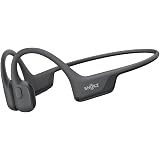
SHOKZ OpenRun Air 2 Bone Conduction Open-Ear Bluetooth Headphones,Black | Bundle with Hair Band;26.4g lightweight; Secure fit; PremiumPitch 3.0 sound; IP67; 10H battery; Running/cycling/hiking
$129.95 (as of October 11, 2026 03:30 GMT +00:00 - More infoProduct prices and availability are accurate as of the date/time indicated and are subject to change. Any price and availability information displayed on [relevant Amazon Site(s), as applicable] at the time of purchase will apply to the purchase of this product.)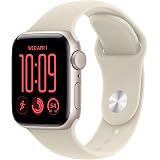
Apple Watch SE 3 GPS 40mm Smartwatch | Starlight Aluminum Case, Sand Sport Band - S/M. Fitness + Sleep + Cycle Tracking, Heart Rate, Vitals, Safety
$199.99 (as of October 11, 2026 03:20 GMT +00:00 - More infoProduct prices and availability are accurate as of the date/time indicated and are subject to change. Any price and availability information displayed on [relevant Amazon Site(s), as applicable] at the time of purchase will apply to the purchase of this product.)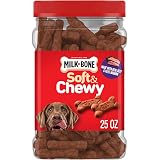
Milk-Bone Soft & Chewy Dog Treats, 25 Oz. Canister | Made with real beef & filet mignon, tender dog treats, easy to chew, for dogs of all ages and sizes
$14.48 (as of October 11, 2026 03:11 GMT +00:00 - More infoProduct prices and availability are accurate as of the date/time indicated and are subject to change. Any price and availability information displayed on [relevant Amazon Site(s), as applicable] at the time of purchase will apply to the purchase of this product.)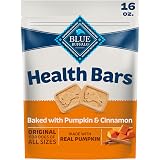
Blue Buffalo Health Bars Pumpkin & Cinnamon Dog Biscuits, 16 oz | Oven-Baked, Crunchy Texture, No Chicken By-Product, Corn, Wheat, or Soy
$4.98 (as of October 11, 2026 03:11 GMT +00:00 - More infoProduct prices and availability are accurate as of the date/time indicated and are subject to change. Any price and availability information displayed on [relevant Amazon Site(s), as applicable] at the time of purchase will apply to the purchase of this product.)











Post Comment