
Unlocking the Menopause Mind Mystery: Scientists Edge Closer to Halting Memory Decline for Good!
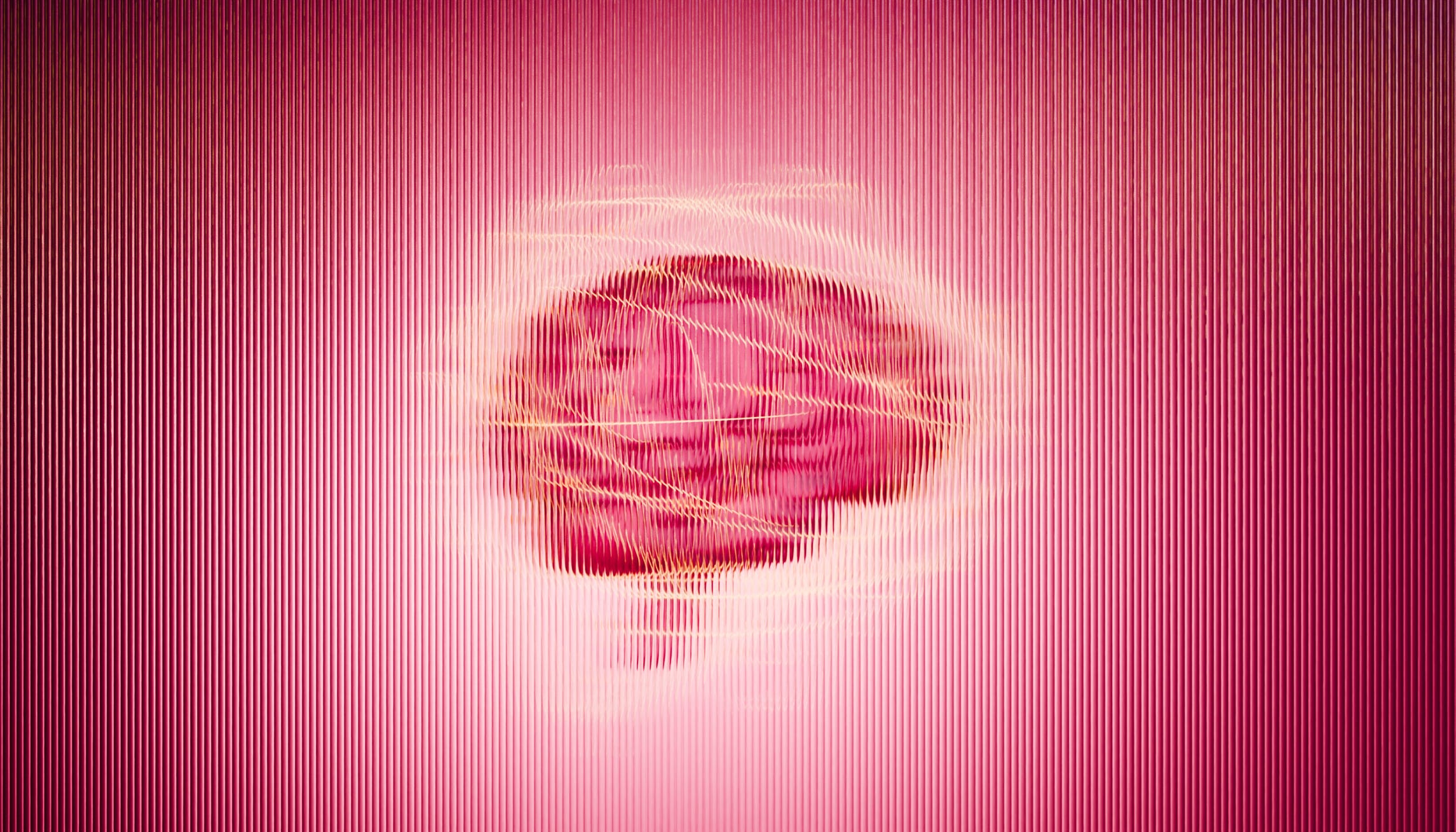
Ever wondered why Alzheimer’s disease hits women harder than men? It’s not just about living longer or forgetting where you put your keys after a night out. New research hints at a deeper, biological twist involving estrogen—the hormone that takes a nosedive during menopause. Turns out, this plunge in estrogen might unravel the very fabric between brain cells, called the extracellular matrix (ECM), causing some serious memory mischief. Imagine your brain’s ECM as a cozy neighborhood where cells chat and hang out; when estrogen dips, this neighborhood starts to fall apart, potentially paving the way for cognitive decline. This is a game-changer, especially since nearly two-thirds of Americans with Alzheimer’s are women, most of whom are past menopause. Intrigued? Let’s dive into how aging, estrogen loss, and sex all intertwine in this complex brain saga. LEARN MORE
- A new preclinical study in mice suggests that estrogen loss, aging, and being female are linked to issues in the extracellular matrix (ECM), a network that fills the spaces between brain cells.
- Researchers say ECM dysregulation may be one mechanism linking estrogen loss after menopause to Alzheimer’s-related cognitive decline.
- This news is notable as Alzheimer’s disproportionately affects more women than men.
Nearly two-thirds of Americans living with Alzheimer’s disease are women, and since the disease affects older adults, most women with Alzheimer’s are postmenopausal. While many people have simply chalked that up to women being more likely to live longer than men, there are still many questions about the higher prevalence of Alzheimer’s disease in women. Now, new research suggests that female brains may be especially sensitive to the loss of estrogen that happens in menopause.
While it’s hard to say that a drop in estrogen causes Alzheimer’s disease, the study suggests that estrogen loss affects the extracellular matrix (ECM) in the hippocampus, the brain region that’s linked to memory consolidation and connecting emotions to memories. With that, it makes sense that the two may be related on some level.
“Menopause is associated with a drastic decline in estrogen levels, and the resulting loss of estrogen may diminish the brain’s natural protection against memory impairment and neurodegeneration,” says Hong Zhao, MD, PhD, study co-author and research professor in Obstetrics and Gynecology at Northwestern University’s Feinberg School of Medicine.
Here’s what doctors want you to know about the latest data.
Meet the experts: Hong Zhao, MD, PhD, study co-author and research professor in Obstetrics and Gynecology at Northwestern University’s Feinberg School of Medicine; Mary Jane Minkin, MD, a clinical professor of obstetrics and gynecology and reproductive sciences at Yale School of Medicine and founder of Madame Ovary; Lauren Streicher, MD, author of Hot Flash Hell and host of Dr. Streicher’s Inside Information: Menopause, Midlife, and More podcast; Jennifer Wider, MD, a women’s health expert and co-host of the Open Wider podcast
What did the study find?
For the study, which was published in the journal Aging Cell, researchers analyzed young and old male and female mice. The researchers discovered that estrogen loss, aging, and being female were linked to issues in the extracellular matrix.
The extracellular matrix is a network of molecules that fills the spaces between brain cells. It makes up about 20 percent of the brain’s volume and is important for memory, brain development, and brain health, allowing brain cells to communicate and function properly. This is the first study to examine the impact of estrogen loss on the extracellular matrix.
It’s important to keep a few things in mind: first, this is a preclinical study, which means it’s an earlier stage of research. Secondly, this study was conducted in mice, not people. Therefore, more research is needed.
Why are women sensitive to the loss of brain estrogen as they age?
There are likely a few reasons for this. “There are estrogen receptors throughout the brain,” says Lauren Streicher, MD, author of Hot Flash Hell and host of Dr. Streicher’s Inside Information: Menopause, Midlife, and More podcast. “Female brains have spent a lifetime utilizing estrogen as part of brain function. When you lose that, it makes sense that you would feel different.”
While men also produce estrogen and feel the loss of its production over time, women’s brains rely more heavily on it, says Jennifer Wider, MD, a women’s health expert and co-host of the Open Wider podcast.
Estrogen helps support memory and regulate mood, but a drop in estrogen can limit those protective effects and increase your vulnerability to age-related cognitive decline, Dr. Zhao says. “Our study suggests that estrogen loss is associated with dysregulation of the extracellular matrix, which in turn is linked to Alzheimer’s disease-related memory deficits and behavioral impairments,” Dr. Zhao says.
Extracellular matrix dysregulation “may represent a key mechanism underlying the heightened sensitivity of women to the loss of brain estrogen during aging and their increased risk of Alzheimer’s disease-related cognitive decline,” she adds.
This is different from brain fog, which is a common symptom in perimenopause and menopause. “Many women experience brain fog and short-term memory challenges with hormone fluctuations and a drop in estrogen,” Dr. Wider says. “These are often temporary, reversible, and don’t constitute a clinical diagnosis of dementia.”
That said, Dr. Zhao notes that “substantial and persistent cognitive decline” is strongly linked with a higher risk of developing dementia later in life.
Can hormone replacement therapy help?
This is tricky. “People are going to extrapolate that if you give women estrogen, they won’t get dementia. But you can’t just give someone estrogen and expect it to have the same effect,” Dr. Streicher says.
Mary Jane Minkin, MD, a clinical professor of obstetrics and gynecology and reproductive sciences at Yale School of Medicine and founder of Madame Ovary, agrees. “There are some epidemiological studies showing that women on estrogen therapy do better with memory issues post-menopausally,” she says. But there aren’t randomized, double-blind studies (the gold standard in research) confirming this, Dr. Minkin points out.
“Well-designed clinical studies are needed to better define the potential benefits, risks, and optimal use of hormone replacement therapy for the prevention of Alzheimer’s disease-related cognitive decline,” says Dr. Zhao.
What should women take away from this?
The study should validate that cognitive changes around perimenopause and menopause aren’t all in your head, Dr. Wider says.
But Dr. Minkin points out that it’s still unclear if hormone therapy will help with cognitive symptoms. “We certainly have excellent bone data, and quite reasonable heart data showing protection with estrogen therapy,” she says. “As far as brain health: Try to maintain an ideal body weight as best you can, exercise regularly, don’t smoke, don’t drink—all things that we do know will help.”
If you’re considering hormone replacement therapy, Dr. Zhao recommends talking to your doctor about your concerns and what you’re hoping to get out of the treatment. “Evidence suggests that the benefits of hormone replacement therapy generally outweigh the risks when treatment is initiated in women younger than 60 years of age or within 10 years of menopause onset,” she says. “However, the benefits and risks of hormone replacement therapy vary among individuals.”
Korin Miller is a freelance writer specializing in general wellness, sexual health and relationships, and lifestyle trends, with work appearing in Men’s Health, Women’s Health, Self, Glamour, and more. She has a master’s degree from American University, lives by the beach, and hopes to own a teacup pig and taco truck one day.
Carina Hsieh, MPH, is the deputy features editor of Women’s Health. She has more than a decade’s worth of experience working in media and has covered everything from beauty, fashion, travel, lifestyle, pets, to health.
She began her career as an intern in the fashion closet at Cosmopolitan where she worked her way up to Senior Sex & Relationships Editor. While covering women’s health there, she discovered her passion for health service journalism and took a break to get her Masters in Public Health. Post-grad school, she worked as a freelance writer and as The Daily Beast’s first Beauty, Health, and Wellness Reporter.
Carina is an alum of the Fashion Institute of Technology and the Yale School of Public Health. She and her French Bulldog, Bao Bao, split their time between Brooklyn and Connecticut. She enjoys reformer Pilates, (slow) running, and smelling the fancy toiletries in boutique fitness class locker rooms.
Bloom Nutrition Zero Sugar Energy Drink, Apple Crisp, 12oz 12pk | 180mg natural caffeine with prebiotics, green tea extract & lychee for energy, focus and feel-good refreshment.
$24.99 (as of October 11, 2026 03:09 GMT +00:00 - More infoProduct prices and availability are accurate as of the date/time indicated and are subject to change. Any price and availability information displayed on [relevant Amazon Site(s), as applicable] at the time of purchase will apply to the purchase of this product.)
2026 New Quiet Dog Nail Grinder,6-Speed,11000 RPM max,40db Ultra-Quiet | Brushless Motor, 2 LED Lights, 8H Battery Life, Dust Cap, Smart Display, Painless Paws Grooming for Dogs & Cats of All Sizes
$37.97 (as of October 11, 2026 03:20 GMT +00:00 - More infoProduct prices and availability are accurate as of the date/time indicated and are subject to change. Any price and availability information displayed on [relevant Amazon Site(s), as applicable] at the time of purchase will apply to the purchase of this product.)
WARCAT Automatic Litter Box丨Open Top, Child Lock, Gray&White | 10 sensors + child lock, 10L sealed drawer holds 10 days, no app/WiFi, open-top, works with any clumping litter, bags+mat.
$99.99 (as of October 11, 2026 03:20 GMT +00:00 - More infoProduct prices and availability are accurate as of the date/time indicated and are subject to change. Any price and availability information displayed on [relevant Amazon Site(s), as applicable] at the time of purchase will apply to the purchase of this product.)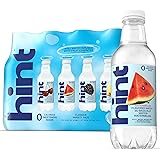
Hint Flavored Water Zero Sugar 0 Calories - Best Sellers Variety (12 pack) | Crisp, refreshing water, fruit flavors. 0 calories, 0 sugar, 0 sweeteners. Hydration for wellness. Gluten-free, Kosher, Vegan
$13.46 (as of October 11, 2026 03:09 GMT +00:00 - More infoProduct prices and availability are accurate as of the date/time indicated and are subject to change. Any price and availability information displayed on [relevant Amazon Site(s), as applicable] at the time of purchase will apply to the purchase of this product.)












Post Comment