
Why TSMC’s CEO Says Taiwan Holds an AI Secret So Powerful, Rivals Can’t Even Dream of Catching Up

Here’s a curious thought: can you really picture the global AI chip race without Taiwan firmly clutching the crown? TSMC’s chairman and CEO, C.C. Wei, didn’t just throw out some casual remarks on June 4 — no, he served a potent blend of assertive confidence and strategic caution that demands we all rethink our timelines. While many might fantasize about quick shifts in the semiconductor landscape, Wei’s message was crystal clear: Taiwan’s hold on advanced AI chip manufacturing is anything but loosening. After all, how does a small island keep tech giants worldwide on their toes? It’s in the numbers, the staggering investments, and—and let’s be honest—the grit behind the scenes. TSMC isn’t just playing the game; it’s defining the rules, even as it tackles monumental challenges like US production hurdles and surging AI demand. Intrigued yet? Let’s dive into why Wei’s words might just be the wake-up call the semiconductor industry needed. LEARN MORE
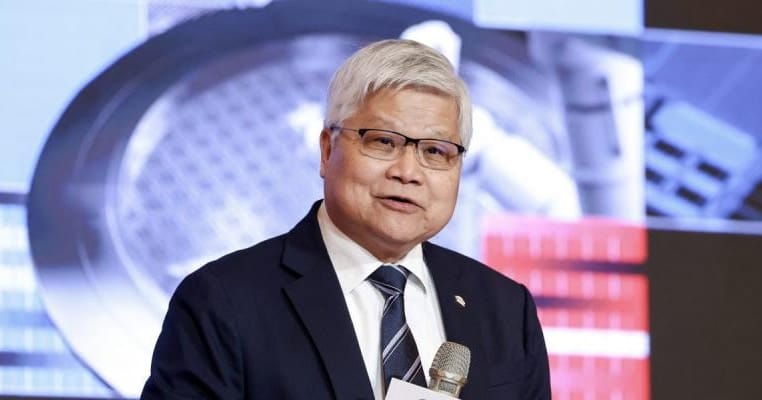
TSMC’s chairman and CEO C.C. Wei delivered a message to the global semiconductor industry on June 4 that was equal parts confidence and caution: Taiwan’s grip on advanced AI chip manufacturing isn’t loosening anytime soon, and anyone expecting otherwise should recalibrate their timelines.
Speaking to reporters after the company’s annual shareholder meeting in Hsinchu, Taiwan, Wei asserted that Taiwan holds a competitive edge in the AI industry that other countries will find extremely difficult to match.
The numbers behind the confidence
TSMC’s stock price tells part of the story. Shares reached T$2,425 as of June 3, 2026, up from T$950 just one year earlier. That’s roughly a 155% gain in twelve months.
The company has also committed a staggering $165 billion toward building advanced semiconductor capacity in the US, layering on top of a previous $65 billion pledge.
Wei was blunt about the timeline. Fully satisfying US customer demand through local American production will take a “very long time,” he said, pointing to permit and labor challenges that are slowing down TSMC’s initial goal of achieving 30% of 2nm and below production capacity within the US.
On the financial health side, TSMC’s employee profit sharing has been climbing at a notable clip. The company saw roughly 30% increases in both the 2023-2024 and 2024-2025 cycles, with another 30% rise expected in 2026.
Supply still can’t keep up with demand
Wei acknowledged that TSMC is currently unable to fully meet the soaring demand for AI technology, and the company is working to prevent supply chain bottlenecks from becoming a larger problem.
That demand-supply imbalance naturally raises the question of pricing. Wei addressed it directly, noting the possibility of price increases while dismissing any suggestion of sudden or dramatic hikes.

Core Power Fairlife 26g Protein Milk Shakes, Liquid Ready To Drink for Workout Recovery, Chocolate, 14 Fl Oz Bottle (Pack of 12)
$41.88 (as of October 3, 2026 03:06 GMT +00:00 - More infoProduct prices and availability are accurate as of the date/time indicated and are subject to change. Any price and availability information displayed on [relevant Amazon Site(s), as applicable] at the time of purchase will apply to the purchase of this product.)
Self Cleaning Litter Box, Self Cleaning Cat Litter Box, Open-Top Design | No app or Wi-Fi needed—plug in this self cleaning cat litter box, press the power button, and spend less time scooping
$149.99 (as of October 3, 2026 03:14 GMT +00:00 - More infoProduct prices and availability are accurate as of the date/time indicated and are subject to change. Any price and availability information displayed on [relevant Amazon Site(s), as applicable] at the time of purchase will apply to the purchase of this product.)
Soundcore by Anker Q20i Hybrid Active Noise Cancelling Headphones, Black | Over-Ear, Bluetooth, 40H ANC Playtime, Hi-Res Audio, Big Bass, Transparency Mode, Customize via App, Travel, Home, Office
$39.99 (as of October 3, 2026 03:17 GMT +00:00 - More infoProduct prices and availability are accurate as of the date/time indicated and are subject to change. Any price and availability information displayed on [relevant Amazon Site(s), as applicable] at the time of purchase will apply to the purchase of this product.)
Fhumsh Wireless Earbuds, Bluetooth 5.3 Headphones HiFi Stereo 50H Playback LED Digital Display Ear Buds with ENC Noise Canceling Headset, IPX7 Waterproof Earphones for Gym/Running/Work(White)
$19.98 (as of October 3, 2026 03:26 GMT +00:00 - More infoProduct prices and availability are accurate as of the date/time indicated and are subject to change. Any price and availability information displayed on [relevant Amazon Site(s), as applicable] at the time of purchase will apply to the purchase of this product.)












Post Comment