This Tiny Tick Bite Could Wreck Your Diet Forever—Are You at Risk Without Knowing It?
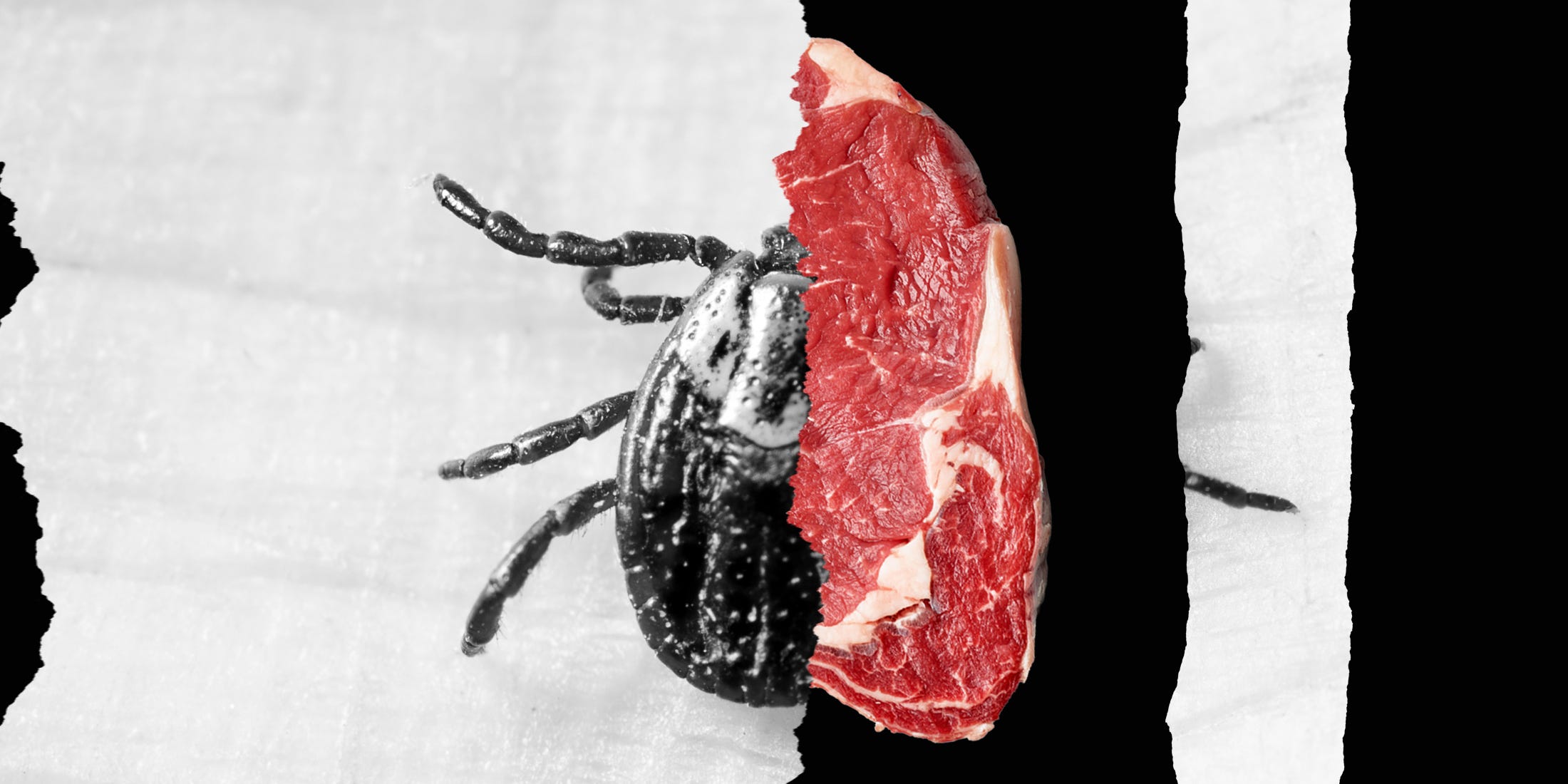
Ever wondered if a tiny tick could rewrite your dinner plans forever? Sounds wild, right? But that’s exactly the curveball alpha-gal syndrome is throwing at us across the U.S.—an allergy triggered by a bite from the mischievous lone star tick that can turn a juicy steak or creamy dairy into your worst nightmare. While ticks have long been infamous for Lyme disease, this lesser-known menace is quietly on the rise, causing sudden and sometimes severe reactions that can shake up your relationship with meat and dairy. It’s baffling, a bit unsettling, and honestly, something none of us want to gamble with. But don’t panic just yet—there’s plenty you can do to stay safe and savvy about this sneaky condition. Stick with me, and I’ll break down what alpha-gal syndrome really means, why it’s spreading, and how you can protect yourself without giving up all your favorite foods overnight. Ready to dive in? LEARN MORE
 4 min read
- Alpha-gal syndrome, which is caused by a bite from a lone star tick, is on the rise in the United States.
- The syndrome causes sudden meat and dairy allergies that can be mild to severe and even life-threatening.
- Despite the increase in tick populations, there are precautions people can take to stay safe.
Ticks are notorious for carrying and spreading Lyme disease, but there’s another, lesser-know tickborne illness on the rise across the United States: alpha-gal syndrome. The syndrome can be life-changing—it causes an infected person to suddenly become allergic to meat and dairy.
While it’s (thankfully) still not as common as Lyme disease, alpha-gal is no longer as rare as it used to be. It’s spread by the lone star tick, which has been showing up in higher numbers and in more parts of the country over the past few years.
It’s unsettling news, but there are things you can do to protect yourself. Here’s what you need to know about alpha-gal and tick prevention.
Meet the experts: Thomas Russo, MD, is a professor and chief of infectious disease at the University at Buffalo in New York. William Schaffner, MD, is an infectious disease specialist and professor at the Vanderbilt University School of Medicine.
What is alpha-gal syndrome?
Alpha-gal syndrome (or AGS) is a potentially life-threatening allergy and tickborne disease. The name refers to a molecule called galactose-α-1,3-galactose (or alpha-gal for short) that’s naturally produced in the bodies of most mammals but not in people, per the Centers for Disease Control and Prevention (CDC). It’s also found in the saliva of some ticks.
Humans can get alpha-gal syndrome when a tick bites them and transfers its saliva to their blood. Their immune system then identifies alpha-gal as a threat and triggers an allergic reaction. From there, that allergy is activated any time the person interacts with alpha-gal molecules, which are found in red meat or other products made from mammals, like dairy.
As with all illnesses, there is a range of severity with alpha-gal syndrome. Some people will have more mild symptoms, while others can develop an allergy that’s life-threatening.
What are the signs and symptoms of alpha-gal?
Symptoms from alpha-gal vary by person, but they look a lot like any other allergic reaction. Those symptoms can take anywhere from two to six hours after exposure to show up, says Thomas Russo, MD, professor and chief of infectious disease at the University at Buffalo in New York.
According to the CDC, alpha-gal syndrome symptoms include:
- Hives or an itchy rash
- Nausea
- Vomiting
- Severe stomach pain
- Heartburn
- Diarrhea
- Cough, shortness of breath, or difficulty breathing
- Drop in blood pressure
- Swelling of the lips, throat, tongue, or eyelids
- Dizziness
- Anaphylaxis, a life-threatening allergic reaction
How many people have alpha-gal syndrome?
It’s not entirely clear. More than 110,000 suspected cases of alpha-gal syndrome were detected between 2010 and 2022, according to the CDC. But this isn’t an illness that is nationally reported, so true numbers aren’t really known.
Most cases of alpha-gal syndrome are happening in the Southern, Eastern, and Central states in the U.S., per the CDC. (This is where the most lone star ticks are found.)
Why are alpha-gal syndrome cases growing?
There could be a few reasons for this. “The first is we’re much better at diagnosing it,” says William Schaffner, MD, an infectious disease specialist and professor at the Vanderbilt University School of Medicine.
But areas where the lone star tick lives have also experienced fairly mild winters, which allows these pests to thrive, Dr. Schaffner says. This means that more of them have survived the winter, making their population higher than normal. “It’s anticipated that we will have an abundance of ticks this season,” he says.
How is it diagnosed and treated?
Diagnosis of alpha-gal syndrome involves a physical exam, detailed health history, and a blood test for antibodies your body produces in response to alpha-gal, Dr. Russo says.
There’s no treatment for alpha-gal syndrome itself, unfortunately, so those with the allergy will need to avoid foods that come from mammals, including red meat, dairy, and gelatin, Dr. Russo says. Luckily, since they’re not mammals, chicken and seafood are still safe options to eat.
It’s worth noting that the U.S. Department of Health and Human Services (HHS) recently announced a new initiative to combat tickborne illnesses, including alpha-gal syndrome. That includes investigating “promising products” that may help protect people from developing the syndrome after being bitten by a tick—but we don’t quite have them yet.
In the case of an accidental exposure, people with alpha-gal syndrome may be OK to take antihistamines if they have mild symptoms, Dr. Russo says. “But, if it’s severe, they will need to have an Epi-Pen,” he explains.
One glimmer of hope for those infected: Symptoms of alpha-gal syndrome don’t seem to last forever. “Over years, your sensitivity to alpha gal can slowly abate, assuming you don’t get further bitten,” Dr. Schaffner says.
How to Lower Your Risk of Alpha-Gal Syndrome
The best strategy is avoiding ticks in the first place, Dr. Schaffner says. While not everyone who is bitten by the lone star tick will develop alpha-gal syndrome, it is a real risk, so it’s best to prevent a bite.
If you’re in an area that may have ticks, you can use a repellant with DEET or permethrin, an insecticide that actually kills the pests. Permethrin can only be used on clothes—and should not touch your skin—so you’d need to spray it on your gear and let it dry before heading out the door. (For best use, follow the instructions on the bottle.)
How you dress can also help prevent tick bites. Even though it’s summer, opting for long pants and tucking them into your socks can keep ticks from reaching your skin. Wearing light-colored clothing also makes them easier to spot, so if ones does get on your clothes, you’ll be more likely to notice.
Finally, when you get home from a place that might have ticks, check yourself for them. Standing in front of a mirror, check your whole bod. Ticks can attach anywhere, but they particularly gravitate toward your hair, ears, underarms, bellybutton, waist, back of knees, and genitals, per the CDC. (Think: Anywhere that’s warm.)
And, of course, if you develop odd symptoms related to eating meat or meat products, contact your healthcare provider. They should be able to test you for alpha-gal syndrome and suggest next steps from there.
Korin Miller is a freelance writer specializing in general wellness, sexual health and relationships, and lifestyle trends, with work appearing in Men’s Health, Women’s Health, Self, Glamour, and more. She has a master’s degree from American University, lives by the beach, and hopes to own a teacup pig and taco truck one day.

Flea and Tick Collar for Cats 5 Pack, 8 Months Protection, Plant-Based Ingredients, Water-Resistant, Adjustable & Lightweight, Suitable for Adult Cats & Kittens, White
$28.99 (as of September 21, 2026 03:10 GMT +00:00 - More infoProduct prices and availability are accurate as of the date/time indicated and are subject to change. Any price and availability information displayed on [relevant Amazon Site(s), as applicable] at the time of purchase will apply to the purchase of this product.)
CdFXor Automatic Anti Barking Device for Dogs, Dog Bark Deterrent Devices Hands-Free Bark Box with Dual Emitters, Adjustable 20-30KHz Frequency, 50FT Range, LED Flash, Rechargeable
$35.99 (as of September 21, 2026 03:10 GMT +00:00 - More infoProduct prices and availability are accurate as of the date/time indicated and are subject to change. Any price and availability information displayed on [relevant Amazon Site(s), as applicable] at the time of purchase will apply to the purchase of this product.)
Organic Banana Bunch (4-5 Count)
(as of September 21, 2026 03:04 GMT +00:00 - More infoProduct prices and availability are accurate as of the date/time indicated and are subject to change. Any price and availability information displayed on [relevant Amazon Site(s), as applicable] at the time of purchase will apply to the purchase of this product.)
LIFE SAVERS Wint O Green Breath Mints Hard Candy Bulk Bag, 44.93 oz | Wintergreen hard candy for fresh breath, easy to share at the desk, on commutes or in a candy bowl, party, road trip
$13.97 (as of September 21, 2026 03:22 GMT +00:00 - More infoProduct prices and availability are accurate as of the date/time indicated and are subject to change. Any price and availability information displayed on [relevant Amazon Site(s), as applicable] at the time of purchase will apply to the purchase of this product.)














Post Comment