The Shocking Truth About How Flawed Property Records Could Cost You Thousands in Taxes—and How to Fight Back Like a Pro

Ever wondered how a tiny error in your property records could end up costing you a fortune in taxes? It’s wild—because most folks think those appraisal documents are set in stone, but in reality, a misplaced square foot or a phantom bathroom can tip the scales against you. Picture this: your backyard paradise, meticulously maintained, yet officially you’re paying for an extra 500 square feet you don’t even own. Sounds frustrating, right? This isn’t just a bureaucratic hiccup; it’s a full-on game-changer in the battle for a fair property assessment. If you’re ready to challenge the system and reclaim what’s rightfully yours, diving deep into those local records isn’t optional—it’s essential. Let me walk you through why the devil’s in the details and how accurate info can be your secret weapon to winning a property tax protest. LEARN MORE

A fair property assessment starts with accurate information. Local appraisal records contain important details about a property, and those details help determine its assessed value. When these records contain mistakes, the final valuation may not reflect the property’s actual condition, size, or features.
For property owners who want to challenge an assessment, reviewing official records is an important part of the process. Even small inaccuracies can affect the evidence used in an appeal and influence the final outcome. This article explains how record errors can impact assessed values and why accurate information matters when seeking a fair review.
Importance of Accurate Records for an Appeal
When property owners decide to protest property taxes, appraisal records become one of the first sources of information reviewed. These records usually include details such as square footage, lot size, building features, and construction information. If any of these details are incorrect, the assessed value may not accurately represent the property.
That is why professional representatives spend time reviewing assessment records before moving forward with an appeal. Correct information helps support a stronger case and gives decision-makers a clearer picture of the property’s true characteristics.
Incorrect Square Footage Can Lead to Higher Assessments
One of the most common record issues involves inaccurate building measurements. If official files show more square footage than the property actually has, the assessed value may increase beyond what is reasonable. Even a small difference can affect how a property is valued.
Professionals compare appraisal records with surveys, floor plans, and other supporting documents to verify measurements. When they identify discrepancies, they can present evidence that reflects the property’s actual size and condition. Accurate measurements help support a fair valuation.
Property Features Listed in Error May Affect Value Calculations
Assessment records sometimes include features that no longer exist or were recorded incorrectly. These details can influence how valuation models estimate market value.
Common Examples of Record Mistakes
- Extra bathrooms listed on file
- Additional living space recorded incorrectly
- Structures that were removed years ago
- Incorrect lot dimensions
- Outdated improvement descriptions
Each of these inaccuracies can affect the value assigned to a property. A careful review of official records helps ensure that assessments rely on current and accurate information.
Outdated Information Can Create Unfair Comparisons
Appraisal districts frequently compare properties with similar characteristics when determining value. If a property’s records contain outdated information, those comparisons may not be accurate. As a result, the assessed amount may not reflect current conditions.
Professional representatives review property history, inspection reports, and supporting documents to identify outdated entries. Updated records help create more reliable comparisons and provide stronger support for an appeal. Accurate comparisons play an important role in achieving a fair assessment.
Careful Record Reviews Help Support Fair Assessments
A detailed review of appraisal records can uncover issues that influence assessed values. Once professionals identify those discrepancies, they can present documentation that supports a more accurate valuation. This approach helps ensure that decisions are based on facts rather than incorrect information.
Property owners who protest property taxes can benefit from having every detail reviewed carefully. Small errors sometimes have a larger effect on assessed values than expected. Addressing those issues strengthens the overall appeal and helps support a fair outcome.
Incorrect property records can influence assessed values in several ways. Errors involving measurements, property features, or outdated information may affect how a property is evaluated. Reviewing official records carefully helps ensure that valuation decisions rely on accurate facts. With reliable documentation and professional guidance, property owners can pursue a fair and well-supported appeal.
<!–
–>

Roku TV Remote Control (Official Manufacturer Product) | Simple Setup & Pre-Set App Shortcuts - Replacement Remote Compatible with RokuTV Models ONLY (Not Roku Players)
$9.99 (as of August 27, 2026 03:03 GMT +00:00 - More infoProduct prices and availability are accurate as of the date/time indicated and are subject to change. Any price and availability information displayed on [relevant Amazon Site(s), as applicable] at the time of purchase will apply to the purchase of this product.)
Apple Watch Series 11 [GPS 42mm] Smartwatch with Rose Gold Aluminum Case with Light Blush Sport Band - S/M. Sleep Score, Fitness Tracker, Health Monitoring, Always-On Display, Water Resistant
$257.14 (as of August 27, 2026 03:21 GMT +00:00 - More infoProduct prices and availability are accurate as of the date/time indicated and are subject to change. Any price and availability information displayed on [relevant Amazon Site(s), as applicable] at the time of purchase will apply to the purchase of this product.)
Amazon Fire HD 10 tablet, built for relaxation, 10.1" vibrant Full HD screen, octa-core processor, 4 GB RAM, 32 GB, Black
$119.99 (as of August 27, 2026 03:10 GMT +00:00 - More infoProduct prices and availability are accurate as of the date/time indicated and are subject to change. Any price and availability information displayed on [relevant Amazon Site(s), as applicable] at the time of purchase will apply to the purchase of this product.)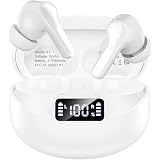
Wireless Earbuds, Bluetooth 5.4 Headphones HIFI Stereo/Crystal clear, White | Noise Cancelling Mic Ear buds with 50H Playback, LED Digital Display, IPX7 Waterproof Earphones for Office/Running/Workout
$19.99 (as of August 27, 2026 03:10 GMT +00:00 - More infoProduct prices and availability are accurate as of the date/time indicated and are subject to change. Any price and availability information displayed on [relevant Amazon Site(s), as applicable] at the time of purchase will apply to the purchase of this product.)














Post Comment