
How Betting Your Family’s Life Savings on a ‘Better for You’ Brand with Zero Backup Could Unlock 9 Figures in Revenue—No Safety Net Required
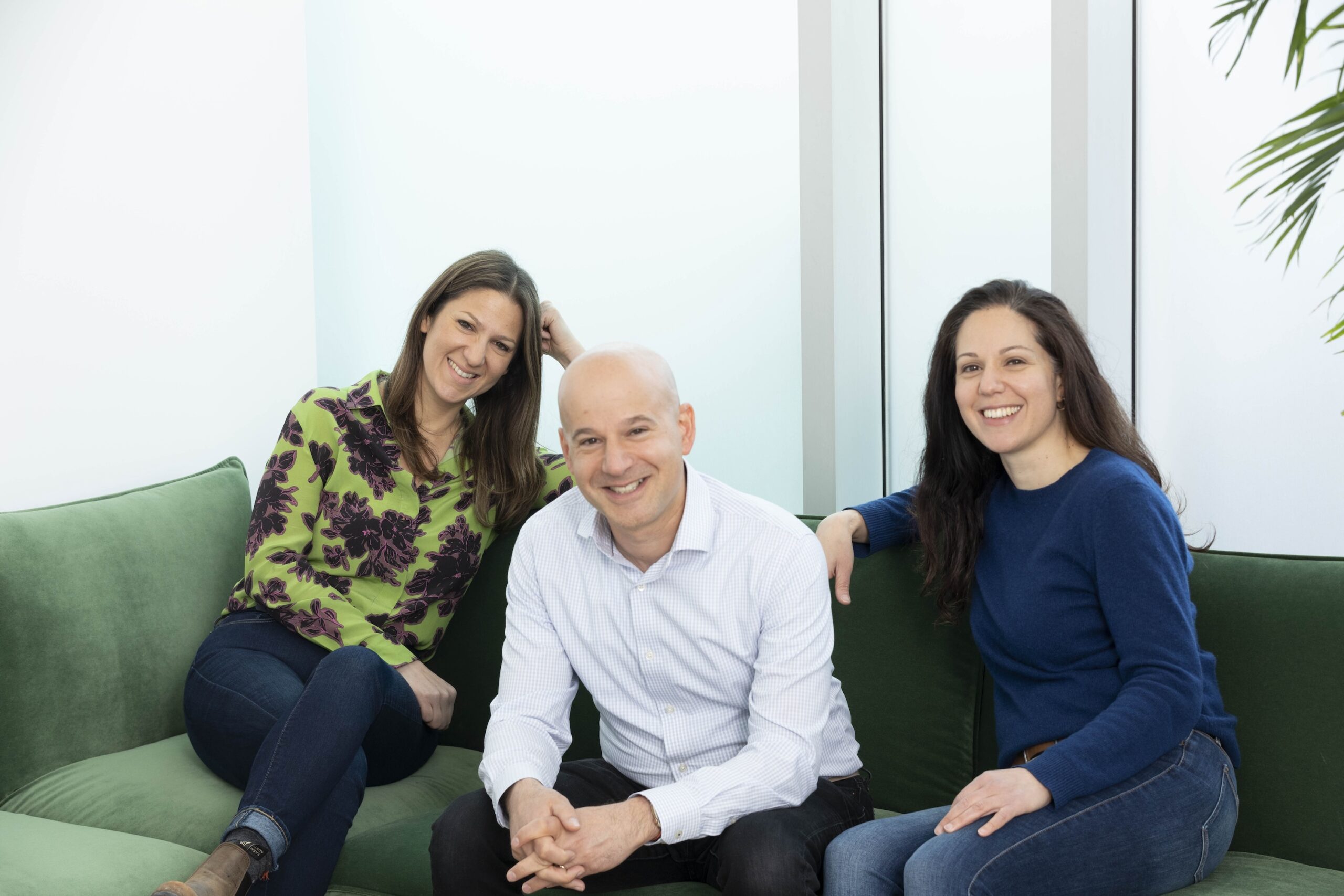
Ever wondered why your kids turn their noses up at that “healthy” snack you so lovingly pack in their lunchbox? Turns out, Nima Fotovat asked himself that very question — and instead of giving up or settling, he created a whole new category of snacks that parents crave and kids actually eat. Imagine betting your family’s entire retirement on a gut feeling that better, allergen-free treats could change the game. That’s exactly what Nima and his sisters did when they launched MadeGood, a brand that’s now a powerhouse in thousands of U.S. stores, offering organic granola bars and bites with a twist: they marry taste, safety, and nutrition in one bite-sized, fun-to-eat package. This isn’t just a story about snacks; it’s about grit, family hustle, and how execution—more than just a good idea—can turn dreams into mid-nine-figure realities. Curious how they cracked the code and transformed the market? Let’s dive in. LEARN MORE
Listen to this post
Key Takeaways
- Nima Fotovat co-founded MadeGood to create organic, allergen-free snacks, including granola bars and bites.
- He and his sisters raised roughly $5 million from his parents’ retirement funds and loans against their homes to get MadeGood started.
- The company now sells its products across about 35,000 U.S. retail locations and generates mid–nine-figure revenue.
As a first-time parent, Nima Fotovat tried to do everything right. He packed fresh apples, oranges and cucumbers for his kids in their lunchboxes instead of processed snacks.
The result was a “high return rate” of uneaten food, Fotovat shares in a new interview with Entrepreneur. His kids wanted something tasty and fun; he wanted something nutrient-dense, organic and safe for every child in the classroom, including those with allergies.
Looking at store shelves, he realized there was nothing that checked all those boxes. That tension between what parents wanted to feed their kids and what kids would actually eat became the foundation of MadeGood.
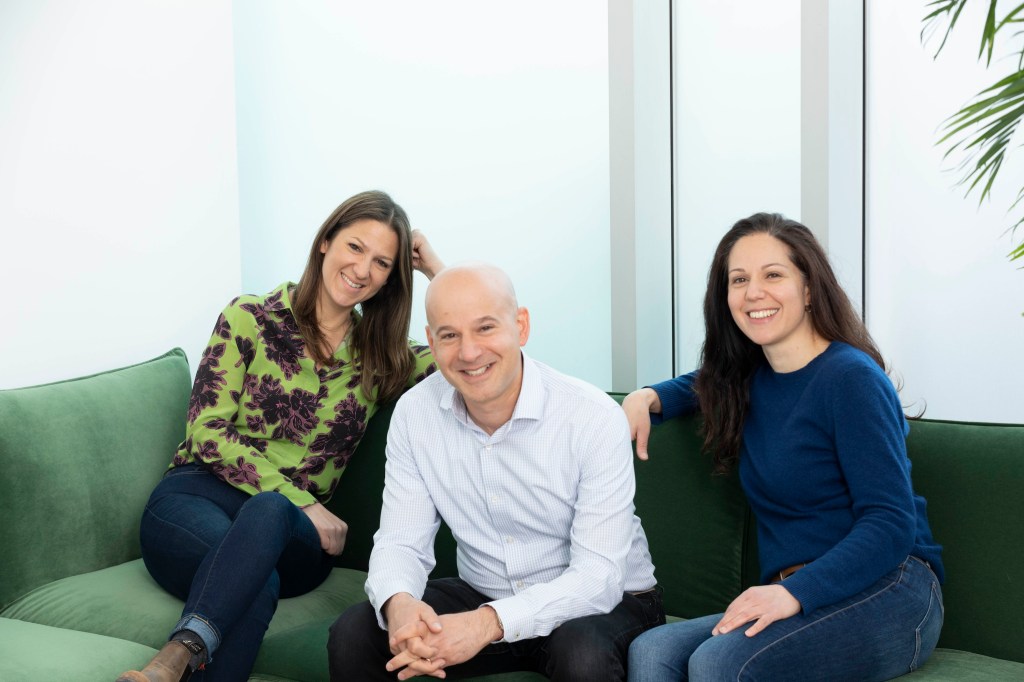
In 2014, Fotovat and his two sisters, Sahba and Salma, launched MadeGood in Canada, rolling up their sleeves to build not just a brand but a small factory to produce it themselves. Within a couple of years, their organic granola bars and bites landed on shelves at Whole Foods in the U.S., a pivotal validation moment that set the trajectory for the company’s rapid growth.
Fotovat wasn’t coming in cold. He grew up on the production floor of his father’s food manufacturing business, working summers in a canned food factory from the age of 10 and later joining the family company after university.
Over time, that business evolved from conventional candy bars and confections as the family’s own eating habits changed. “We got introduced to organic and better-for-you products, and we’re like, Well, we want to eat that kind of food. Why don’t we start to make that type of food as well for our consumers?” Fotovat says.
That experience gave him both the technical grounding and the conviction to launch MadeGood with his sisters.
Betting the family’s savings
The move wasn’t remotely risk-free. To get MadeGood off the ground, Fotovat and his sisters needed more than a strong idea and operational experience — they needed serious capital.
They went first to the people who knew them best: their parents. Recently retired after selling their own food business, Fotovat’s parents agreed to lend them $2.9 million out of their retirement savings. On top of that, the siblings borrowed another $2 million from the bank, mortgaging their homes to do it.
All told, they were in for about $5 million — money that went into building a small production facility, equipment, machinery and the fixed cost of rent.
Fotovat describes this “no plan B” posture as intentional, not reckless. With his parents’ retirement funds and their homes on the line, failure wasn’t just a professional setback; it was existential. That pressure, he argues, created a sense of urgency that had him and his sisters up at four in the morning, figuring out how to win. The motivation to protect their family’s savings became fuel for relentless execution.
“If this didn’t work, we would be in a lot of trouble,” Fotovat says. “That fire, that desire, that drive, is a little bit subdued if you have a plan B and you think things are going to be okay if this doesn’t work out. So that’s one thing I learned.”
Eventually, the bet paid off — they have since paid their parents back in full.
Cracking the retail code
From the beginning, Fotovat thought about product-market fit in three distinct phases: convincing retailers to stock the product, convincing consumers to try the product and then earning repeat purchases.
First, he focused on “selling in” to retailers, whom he calls his first customers. MadeGood’s pitch to buyers was framed around incrementality: There was a clear consumer tension (parents wanting better-for-you, allergy-safe snacks) and nothing comparable on the shelf, meaning MadeGood could grow the category instead of competing with existing products. That logic helped secure placement in stores.
The second proof point was on the shelf itself. With most of their early capital tied up in manufacturing, the team didn’t have large marketing budgets. Packaging had to do the heavy lifting. The goal was simple: Stand out, get picked up and let shoppers read the features and benefits.
“We had to make sure the packaging really worked hard for us, so we made sure it was very bright,” Fotovat says. “The logo on the box was 50% of the front panel, so it really stood out.”
The third proof of concept was taste and product performance. If the product didn’t deliver on the promise of great taste plus nutrition, there would be no repeat purchase. Getting that right created the flywheel: Consumers tried the product, liked it and came back for more, which in turn justified broader distribution and more investment in marketing over time.
Growing into a 9-figure brand
Today, MadeGood sells granola bars, granola bites and morning bars — on-the-go snacks that are certified organic, allergen-free and designed to be inclusive in school and family settings. The brand now appears in about 35,000 retail locations in the U.S., including channels such as Costco, Target, Walmart, Kroger, Whole Foods and Sprouts.
Fotovat says that the business has grown into the “mid-nine-figures” in global revenue, with meaningful operations in both the U.S. and Canada.
The growth curve has been remarkably consistent: Aside from a steep 70% decline from Q1 to Q2 of 2020, when schools closed, people stayed home and parents started baking their own granola bars, the company has largely avoided plateaus or pullbacks. It took about a year to recover from that pandemic shock, but MadeGood is now planning for roughly 30% year-over-year growth in the U.S. over the next two to three years.
Honing its competitive advantage
Fotovat repeatedly returns to one theme: In food, “taste is king.” An early failure underscored that point. MadeGood originally launched with two product segments, and one, a no-sugar-added fruit-and-nut line, simply didn’t work. It may have fit a trend, but it didn’t deliver on taste, and consumers didn’t stick with it. The team killed the product and reallocated resources to what was working: the granola line.
Taste, however, is only part of the brand’s edge. MadeGood also innovated on format with its bite-sized, spherical granola products, in contrast to the standard bar-shaped offerings that dominate the aisle.
Vertical integration is another pillar of its competitive advantage. Fotovat runs the business from a headquarters physically connected to the factory floor, and he emphasizes that the company makes everything it sells. That setup, he contends, supports product obsession — tight control over quality, the ability to iterate and a culture that lives and breathes what comes off the line.
“We are obsessed about the products we manufacture,” Fotovat says. “We make sure that the product tastes fantastic. So I think that’s something that is not unique, but I think it is something that we do really well.”
Family dynamics, culture and the cost of a bad hire
MadeGood is a family business. Fotovat works alongside his two sisters, with whom he has collaborated for more than 20 years, as well as his wife, Ladan, who leads consumer events.
Fotovat says two things make the family dynamic work: deep trust and clear lanes of expertise. His sister Salma leads sourcing, procurement and impact, and she’s an expert in that. His other sister, Sahba, is on the front lines with the company’s manufacturing team. “She does a great job in doing that,” Fotovat says. “I think there is great strength in having family involved in the business.”
As MadeGood grows, culture has become Fotovat’s central responsibility. “My most important job is to protect the culture of the organization,” he says. He’s blunt about early mistakes: He sometimes prioritized skill over values and cultural fit, hiring people who could “do the job” but carried ego or lacked humility. He later saw those hires damage the organization.
The hiring process has since been professionalized and slowed down. The company tells candidates what MadeGood is and what life at the company is like. If the fit isn’t right, Fotovat would rather wait than rush to fill a seat.
Lessons for founders
In December 2024, MadeGood faced a painful but pivotal event: a product recall tied to foreign material contamination. The probability of harm was extremely low, and no one was hurt, but the incident exposed how rapid growth had outpaced internal capabilities.
For Fotovat, the lesson was stark. As you build capacity, every other capability has to rise in tandem. The recall cost the company financially but transformed its culture. Today, he says, every employee at MadeGood treats quality as the top priority. “Yes, it cost us financially, but as a result, we are a much better, stronger organization,” Fotovat says.
He also emphasizes that a good idea is 5% of the battle; execution is 95%. “Execution is where things come to life,” he says. “I think it’s important to have the grit and determination to get through the valley of disappointment, the time that it takes when you’re not making money, to come out the other side and start to make it profitable.”
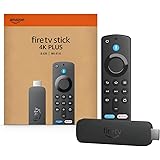
Amazon Fire TV Stick 4K Plus with AI-powered Fire TV Search, Wi-Fi 6, stream hundreds of thousands of movies and shows, free & live TV, find shows faster with Alexa+
$69.99 (as of October 11, 2026 03:20 GMT +00:00 - More infoProduct prices and availability are accurate as of the date/time indicated and are subject to change. Any price and availability information displayed on [relevant Amazon Site(s), as applicable] at the time of purchase will apply to the purchase of this product.)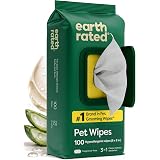
Earth Rated Dog Wipes for Paws & Butt, Deodorizing, Unscented, 100ct | Hypoallergenic, 3-in-1 Cleaning and Hydrating, for Grooming Paws, Body and Butt
$9.99 (as of October 11, 2026 03:11 GMT +00:00 - More infoProduct prices and availability are accurate as of the date/time indicated and are subject to change. Any price and availability information displayed on [relevant Amazon Site(s), as applicable] at the time of purchase will apply to the purchase of this product.)
Organic Banana Bunch (4-5 Count)
(as of October 11, 2026 03:09 GMT +00:00 - More infoProduct prices and availability are accurate as of the date/time indicated and are subject to change. Any price and availability information displayed on [relevant Amazon Site(s), as applicable] at the time of purchase will apply to the purchase of this product.)
Amazon Fire TV Stick HD (newest model), free & live TV, Alexa Voice Remote, powered by the TV, effortless setup, find shows faster with Alexa+
$39.99 (as of October 11, 2026 03:20 GMT +00:00 - More infoProduct prices and availability are accurate as of the date/time indicated and are subject to change. Any price and availability information displayed on [relevant Amazon Site(s), as applicable] at the time of purchase will apply to the purchase of this product.)






Post Comment