How the US-Iran Deal Just Shook Global Oil Prices—and What It Means for Your Next Big Investment Move
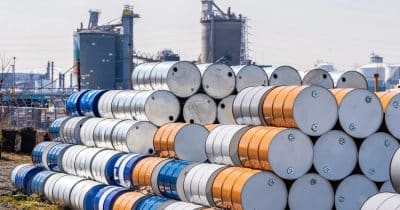
Ever notice how the price of oil can be as unpredictable as a rollercoaster — thrilling one moment, heart-stopping the next? Well, buckle up, because the first half of 2026 threw us quite the ride. After flirting with over $100 a barrel, Brent crude and West Texas Intermediate have taken a nosedive, slipping below $80 in what feels like a blink. The reason? A sudden diplomatic twist: a framework agreement between the US and Iran aiming to cool tensions and pry open the Strait of Hormuz — a narrow but mighty choke point for nearly a fifth of the world’s oil supply. It begs the question: can a 60-day negotiation window really rewrite the script for oil prices, or are we just caught in another market mirage? As geopolitics reshape the energy landscape, investors — crypto enthusiasts included — are left wondering if this dip signals a fresh start or just the calm before the next storm. Intrigued? Dive deeper here: LEARN MORE
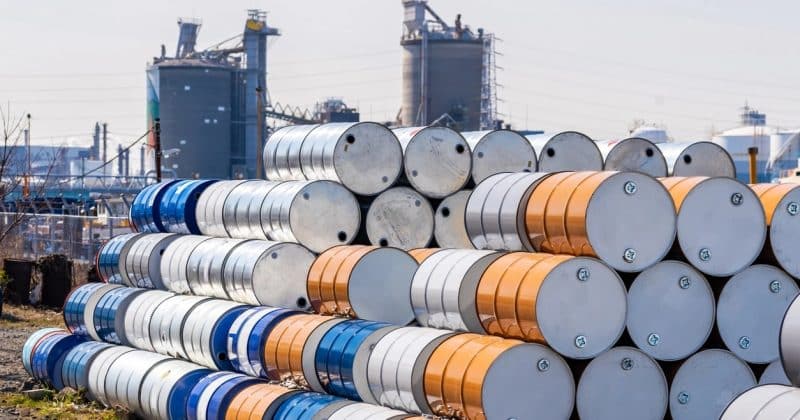
The oil rally that dominated the first half of 2026 just hit a wall. Brent crude fell 4% to $79.88 per barrel on June 16, while West Texas Intermediate dropped even harder, sliding 4.7% to $76.93, a three-month low.
The catalyst: a framework agreement between the United States and Iran, announced by President Trump on June 14, that kicks off a 60-day negotiation window aimed at ceasing hostilities and reopening the Strait of Hormuz. A formal signing is expected by June 19.
For context, oil was trading above $100 per barrel earlier this year. The retreat to sub-$80 territory effectively erases the entire geopolitical risk premium that built up since late February, when US and Israeli military actions triggered Iranian restrictions on one of the world’s most critical shipping chokepoints.
How the conflict inflated oil prices
The Strait of Hormuz is the narrow waterway between Iran and the Arabian Peninsula through which roughly a fifth of the world’s daily oil consumption passes. When Iran restricted transit through it in late February 2026, the global oil market did exactly what you’d expect: it panicked.
Prices surged above $100 per barrel at various points during the conflict. The framework agreement doesn’t guarantee peace, but it does establish a formal diplomatic path toward reopening the strait.
Bitcoin catches a tailwind
When oil dropped, Bitcoin did the opposite. The largest cryptocurrency surged back above $65,000, fueled in part by $150-250 million in short liquidations as bearish traders got caught on the wrong side of the move.
One corner of crypto that didn’t benefit: oil-themed real-world asset tokens. Despite the massive move in underlying oil prices, these tokens showed minimal movement, indicating a market preference for broad market recovery plays over sector-specific bets on energy commodities through tokenized instruments.
What this means for investors
The 60-day negotiation window creates an interesting dynamic. Markets have already priced in a significant de-escalation, but the deal isn’t done yet. If talks collapse, the risk premium snaps back. If they succeed, oil could settle into a range well below the $100 levels seen during the conflict.
For crypto investors specifically, the oil-Bitcoin correlation that played out on June 16 is worth watching. Bitcoin’s move above $65,000 was partly mechanical, driven by liquidations rather than organic buying. The question is whether that level holds once the liquidation cascade finishes and the market returns to normal trading patterns.
Ultimate Assorted Candy Party Mix - 2 LB Bag - Mega Variety Bulk Assortment - Individually Wrapped Candy - Queen Jax - Variety Pack
$18.99 (as of August 27, 2026 03:08 GMT +00:00 - More infoProduct prices and availability are accurate as of the date/time indicated and are subject to change. Any price and availability information displayed on [relevant Amazon Site(s), as applicable] at the time of purchase will apply to the purchase of this product.)
Premier Protein 30g High Protein Shake, Chocolate, 12 Pack | 160 Calories, 24 Vitamins & Minerals, No Added Sugar, Supports Muscle Health, Gluten-Free, 11 oz
$25.17 (as of August 27, 2026 02:57 GMT +00:00 - More infoProduct prices and availability are accurate as of the date/time indicated and are subject to change. Any price and availability information displayed on [relevant Amazon Site(s), as applicable] at the time of purchase will apply to the purchase of this product.)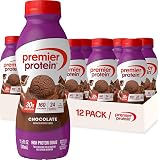
Premier Protein 30g High Protein Shake, Chocolate, 12 Pack | 160 Calories, 24 Vitamins & Minerals, No Added Sugar, Supports Muscle Health, Gluten-Free, 11.5 oz
$31.98 (as of August 27, 2026 02:57 GMT +00:00 - More infoProduct prices and availability are accurate as of the date/time indicated and are subject to change. Any price and availability information displayed on [relevant Amazon Site(s), as applicable] at the time of purchase will apply to the purchase of this product.)
Quaker Chewy Granola Bars, Chocolate Chip, 58 Count - Packaging May Vary
$14.01 (as of August 27, 2026 03:08 GMT +00:00 - More infoProduct prices and availability are accurate as of the date/time indicated and are subject to change. Any price and availability information displayed on [relevant Amazon Site(s), as applicable] at the time of purchase will apply to the purchase of this product.)










Post Comment