Vibration Plates vs. Walking: The Shocking Truth About Which One Actually Transforms Your Health!
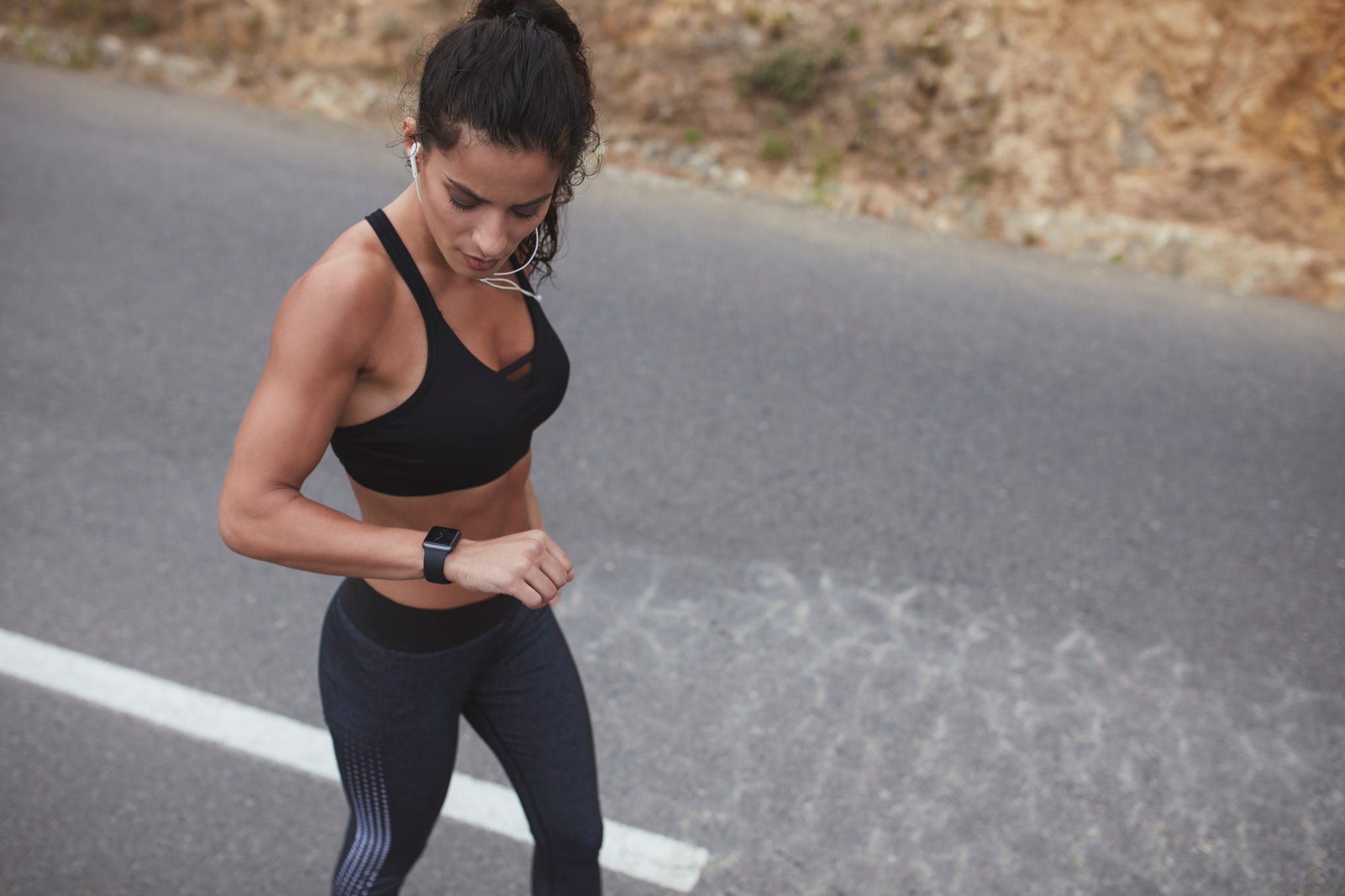
So, vibration plates are all the rage right now—you can’t scroll through your feed without seeing someone standing, wobbling, or ‘stepping’ on one of these buzzing platforms, claiming it’s the shortcut to fitness gold. But seriously, can 10 minutes on a vibration plate really replace thousands of steps, or is it just another wellness fad shaking up our timelines? We’ve heard the whispers: these machines promise everything from lymphatic drainage to weight loss, even sneaky ways to hit our step goals without actually stepping anywhere. But let’s hit pause and ask ourselves—is standing still and vibrating truly the same as pounding the pavement or hitting that comfy neighborhood mile? With experts weighing in and science unpacking the truth behind these claims, I’m here to break down how vibration plates stack up against the good ol’ fashioned walk. Curious to find out whether the buzz is legit or just a bunch of hot air? Let’s dive in. LEARN MORE
 7 min read
Over the past few months, vibration plates have quickly become one of the internet’s most visible wellness trends, popping up across social media with promises of lymphatic drainage, weight loss, and step-count shortcuts.
One of the most viral claims has been that just 10 minutes on a vibration plate can equate to 2,000 to 3,000 steps. In a world where 10,000 steps has persisted as the gold standard of daily movement (although experts and recent research say around 7,000 is actually the sweet spot), it’s easy to see why that idea has taken off. “The problem is that a lot of the marketing gets ahead of the science,” says Jacob Van Den Meerendonk, PT, DPT. “If someone tells you standing on a platform for 10 minutes can improve circulation, recovery, balance, and fitness, it’s obviously going to get people’s attention.”
But does that actually compare to something as straightforward and as well-studied as walking? Does using a vibration plate for 10 minutes even come close to walking a mile when it comes to our health? Here’s what experts have to say.
Meet the experts: Jacob Van Den Meerendonk, PT, DPT, is a physical therapist based in California. Nick Pappas, MD, is an orthopedic surgeon and founder of Elevated Health. Rachelle A. Reed, PhD, ACSM-EP, is an exercise physiologist and Head of Scientific Research & Science Communication, Therabody.
What Do Vibration Plates Actually Do?
While vibration therapy is having a modern resurgence, the concept itself is nothing new. Early versions of mechanical vibration therapy date back to the 19th century, when John Harvey Kellogg, MD, experimented with devices he believed could support circulation and digestive health. Later iterations were used in rehabilitation and athletic settings—including by Soviet space teams and Olympic athletes—as a way to support strength and bone density maintenance during extreme conditions.
But how does a vibration plate work, exactly? Essentially, it’s a platform that vibrates beneath your feet while you stand or exercise on it. “The rapid oscillations beneath create small vibrations that cause your muscles to contract and relax reflexively,” explains orthopedic surgeon Nick Pappas, MD.
And while these plates may be the latest wellness obsession, they’re simply one way of using vibration therapy. “Vibration can be delivered as a whole-body vibration (like a vibration plate), or as localized vibration using handheld devices that are applied to a specific muscle or body region,” says exercise physiologist Rachelle A. Reed, PhD, ACSM-EP. “Depending on the frequency, amplitude, and duration, vibration activates sensory receptors in the muscles and skin, which can trigger involuntary muscle contractions and increase neuromuscular activity.”
Those repeated contractions can temporarily increase blood flow, stimulate muscle activation, and may help reduce soreness following exercise—which is why vibration is commonly incorporated into warm-up and recovery routines with devices like a Theragun or Chirp Sole Vibe.
How Does a Vibration Plate Compare to Walking?
Given the potential benefits, it begs the question: Can a vibration plate really count as daily steps? Simply put, no. “Walking is still walking,” says Dr. Pappas. “A step isn’t just a movement of your legs–it involves actual locomotion and provides cardiovascular and metabolic benefits.” So while vibration plates can stimulate our muscles and help with circulation, they can’t recreate sustained movement, cardiovascular demand, or the energy expenditure that comes with walking.
Experts say these devices are best viewed as complementary to physical fitness, not as a replacement for it. “A vibration plate may increase muscle activity and provide some circulation benefits, but it’s not recreating all those things,” says Van Den Meerendonk. “One of the biggest mistakes people make is looking at health and wellness tools as either game changers or complete gimmicks, when in reality, most things fall somewhere in between.”
So what exactly sparked the comparison between daily steps and vibration plate usage? Much of the confusion stems from how fitness trackers work. Most rely on internal accelerometers–sensors that detect changes in movement and velocity–which means rapid vibrations can sometimes register as steps, even when you haven’t gone anywhere. “That’s why people often feel like they’ve done more work than they expected,” says Van Den Meerendonk. “But walking and vibration plates are providing different stimuli. One isn’t necessarily replacing the other.”
That doesn’t mean vibration plates don’t come with their own benefits. While they can’t replace your daily walk, in some areas, they actually have an edge. From circulation to longevity and cognitive health, here’s how the two compare.
Walking vs. Vibration Plates for Circulation
Expert Verdict: Walking (slight edge)
Circulation naturally becomes less efficient as we age, making regular movement even more important for keeping blood flowing throughout the body. “Increased circulation helps deliver oxygen and nutrients to tissues while facilitating the removal of metabolic byproducts, which may support recovery after exercise,” says Reed.
The good news is that both walking and vibration plates are shown to temporarily increase blood flow, which is one of the reasons they’re often used as part of warm-up and recovery routines. One study found that these effects were greater at lower vibration frequencies (under 30 Hz), although findings can vary depending on the device used.
For overall circulation, however, walking still wins. “Both improve blood flow, but walking better activates the calf muscle (a.k.a. the body’s ‘second heart’) while also increasing heart rate and overall circulation,” says Dr. Pappas.
Walking vs. Vibration Plates for Cardiovascular Health
Expert Verdict: Walking
Walking undoubtedly takes the cake here. “Walking lowers blood pressure, improves cholesterol and blood sugar, reduces cardiovascular disease risk, and increases aerobic fitness,” says Dr. Pappas. “A vibration plate simply doesn’t provide the same cardiovascular stimulus.”
The good news is you don’t need to hit the highly publicized 10,000 steps to reap those rewards. “The 10,000-step goal gets talked about a lot, but it wasn’t originally developed as a medical recommendation,” says Van Den Meerendonk. “It was more of a marketing concept that eventually caught on.” In fact, according to a 2025 meta review in Lancet Public Health that analyzed data from 88 different studies, the ideal step count is actually closer to 7,000. But really, anything above 2,200 steps is associated with lower mortality and cardiovascular disease, according to a 2024 study in the British Journal of Sports Medicine.
And, if chasing a magic number feels unattainable, Van Den Meerendonk suggests simply aiming to move more than you currently do. Research backs up that notion, as well: A recent study of more than 36,000 people with high blood pressure found that every extra 1,000 daily steps above 2,300 was linked to a 17 percent reduction in experiencing a major cardiovascular event.
Walking vs. Vibration Plates for Recovery
Expert Verdict: Vibration Plates
In this one area, vibration plates have a slight advantage. “Vibration may enhance muscle activation, proprioception (your body’s awareness of where it is in space), and neuromuscular control,” says Reed. “In practical terms, that may translate to feeling less stiff before a workout and reducing feelings of muscle soreness afterward.”
Some studies have even found that whole-body vibration can help support blood flow, reduce delayed onset muscle soreness (DOMS), and improve post-exercise recovery, says Dr. Pappas, “making them a potentially useful recovery tool after intense exercise.”
Walking vs. Vibration Plates for Cognitive Health
Expert Verdict: Walking
When it comes to brain health, vibration therapy lacks direct evidence showing meaningful cognitive benefits. Walking, however, “has been associated with improved memory and reduced risk of dementia in multiple studies,” says Dr. Pappas. “The combination of increased blood flow, aerobic activity, and even time outdoors likely contributes to these brain benefits.” In fact, research shows that even just five minutes of brisk walking can boost brain function, particularly in older adults.
By contrast, while vibration therapy can stimulate the nervous system, there is very limited evidence that it can produce any significant improvements in memory, cognition, or long-term brain health benefits.
Walking vs. Vibration Plates for Mental Health
Expert Verdict: Walking
“Whether it’s a brisk walk around the neighborhood or a walk with friends, the psychological benefits are difficult to beat,” says Dr. Pappas. In fact, a large body of research has found that regular walking is associated with reduced symptoms of anxiety and depression, as well as improved overall mood and emotional well-being. A National Library of Medicine study, for instance, found that those with high physical activity levels—including walking—had a decreased risk of depression and reduced odds of developing anxiety.
While vibration plates may offer a brief sensory distraction or novelty effect that could shift attention, there is no evidence to suggest they can produce the same sustained reductions in stress, anxiety, and depressive symptoms like regular walking can.
Walking vs. Vibration Plates for Longevity
Expert Verdict: Walking (by far)
When it comes to longevity, walking consistently stands out as one of the most effective and simplest habits associated with better health outcomes, says Van Den Meerendonk.
While optimal step numbers differ for everyone, research suggests that taking 7,000 steps every day is enough to reduce your risk of dementia, cancer, type 2 diabetes, and depression, particularly when compared to people who walk 2,000 steps a day. And even walking for more than 2,000 steps per day can reduce your risk of cardiovascular disease and all-cause mortality, compared to those with lower activity levels.
“Vibration plates may have some benefits,” says Dr. Pappas. “But there’s no evidence that they confer the same longevity benefits as simply getting up and moving.”
Annita Katee is a writer and editor covering health, wellness, travel, beauty, and the occasional DIY mishap. She has bylines in Well + Good, Travel + Leisure, Lonely Planet, Domino, and Apartment Therapy, among others. Born in Sydney and now based in Los Angeles, she’s happiest by the ocean, doing a DIY, or binge-watching reality TV with a crochet hook in hand. She’s also the author and illustrator of two children’s books. Find her at @annitakatee.

Dum Dums Original Mix 400 ct. Bag - All-Time Classic Flavors, Assorted Suckers in Bulk Candy Bag, Individually Wrapped Lollipops - Bulk Halloween Lollipops for Handing Out
$29.49 (as of September 6, 2026 03:12 GMT +00:00 - More infoProduct prices and availability are accurate as of the date/time indicated and are subject to change. Any price and availability information displayed on [relevant Amazon Site(s), as applicable] at the time of purchase will apply to the purchase of this product.)
Nutramax Cosequin Joint Supplement for Dogs, Chewable Tablets, 132ct | Glucosamine + Chondroitin for Dogs with MSM, Supports Healthy Joints, All Breeds & Sizes, All Ages
$34.91 (as of September 6, 2026 03:01 GMT +00:00 - More infoProduct prices and availability are accurate as of the date/time indicated and are subject to change. Any price and availability information displayed on [relevant Amazon Site(s), as applicable] at the time of purchase will apply to the purchase of this product.)
San Marco Coffee Whole Bean Flavored Coffee, Swiss Chocolate Almond, 2 Pound
(as of September 6, 2026 03:12 GMT +00:00 - More infoProduct prices and availability are accurate as of the date/time indicated and are subject to change. Any price and availability information displayed on [relevant Amazon Site(s), as applicable] at the time of purchase will apply to the purchase of this product.)
Welch's Fruit Snacks - Mixed Fruit Box - Kids Snacks - 0.8 Oz - 40 Pack | Bulk Box, Made with Whole Fruit, Gluten-Free Snack Packs for Kids and Adults, No Artificial Dyes
$6.99 (as of September 6, 2026 03:12 GMT +00:00 - More infoProduct prices and availability are accurate as of the date/time indicated and are subject to change. Any price and availability information displayed on [relevant Amazon Site(s), as applicable] at the time of purchase will apply to the purchase of this product.)













Post Comment