Unlock the Secret List: Which Purchases REALLY Count as Travel with Chase Sapphire Cards?

Ever wondered what counts as “travel” when it comes to racking up those shiny Chase Ultimate Rewards points? Well, if you’re anything like me, you might assume it’s just flights and fancy hotel stays—but hold onto your boarding pass, because the Chase Sapphire Preferred® Card and Chase Sapphire Reserve® flip that notion on its head . They cast a far wider net, including everything from parking garages and tolls to ferries, taxis, and yes—cruises too. This generosity means your everyday travel expenses could be quietly amassing bonus points without you even realizing it. But—as with many good things—there’s a twist; a few sneaky exceptions might just trip up the unwary cardholder. So, what exactly does Chase count (and what doesn’t make the cut) as a travel purchase? And why does merchant coding hold the keys to unlocking these rewards? Let’s dive into the labyrinth of Chase’s travel category to make sure you squeeze every possible point from your adventures, planned or spontaneous. LEARN MORE
One of the biggest advantages of the Chase Sapphire Preferred® Card (see rates and fees) and Chase Sapphire Reserve® (see rates and fees) is their broad definition of “travel.”
Unlike many rewards cards that only award bonus points on airfare or hotels, Chase includes everything from parking garages and tolls to ferries, taxis and cruises.
That generous travel category makes it easier to earn bonus Chase Ultimate Rewards points on everyday trip expenses — not just flights and hotels. However, there are a few notable exceptions that can catch cardholders off guard.
What does Chase generally count as a travel purchase?
Chase has one of the broadest definitions of travel among major rewards credit cards. Eligible purchases generally include:
- Airlines (general travel on the Sapphire Preferred; elevated category on the Sapphire Reserve)
- Airbnb
- Buses
- Campgrounds (private and RV parks)
- Car rental agencies (excluding RV and boat rentals)
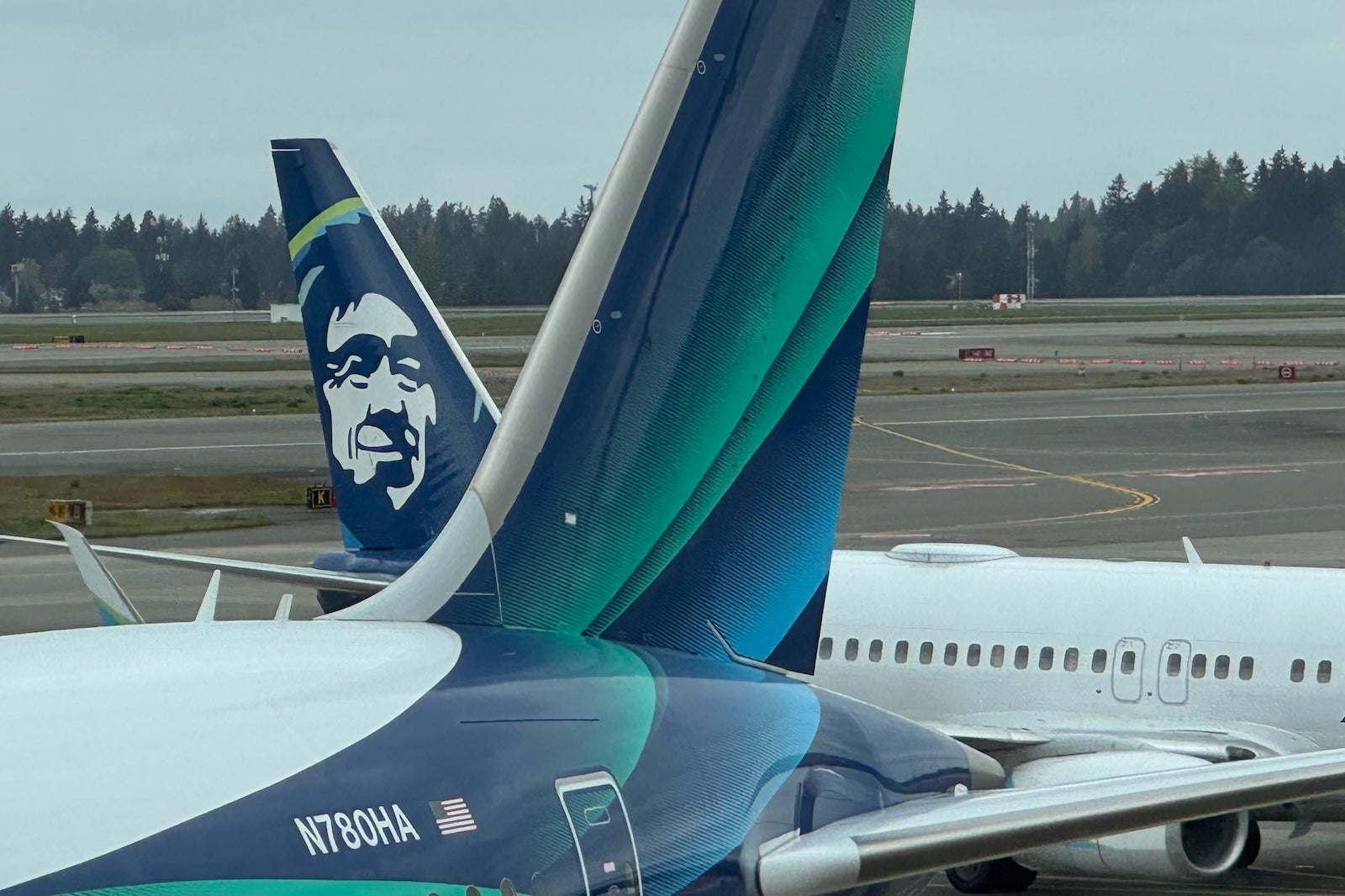
- Cruise lines
- Discount travel sites
- Ferries
- Hotels
- Limousines
- Motels (often categorized as hotels)
- Parking lots and garages
- Passenger trains
- Ride-hailing services (such as Uber and Lyft)
- Taxis
- Timeshares
- Toll bridges and highways
- Travel agencies
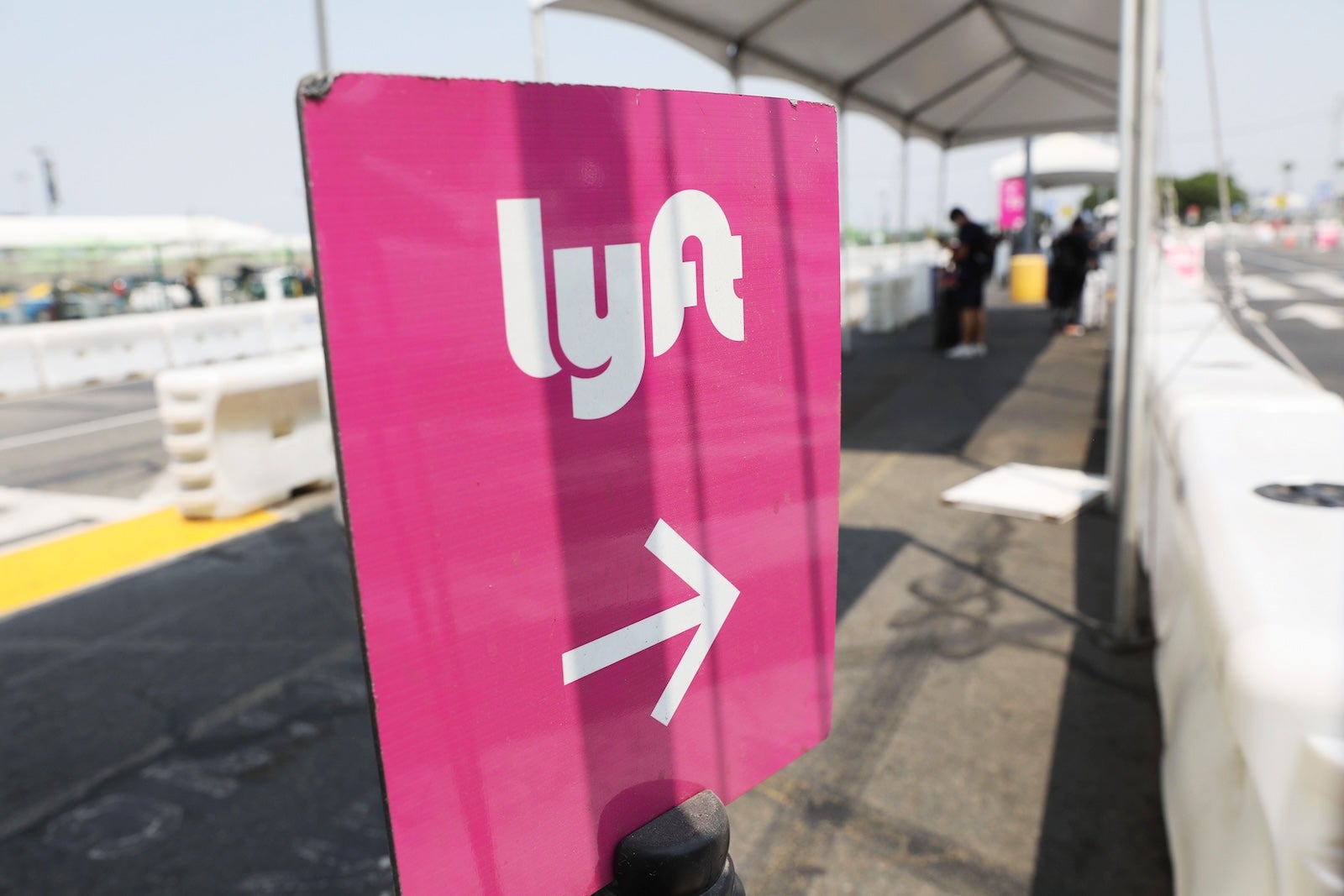
Compared with many competing rewards cards, Chase’s travel category is among the most comprehensive. While cards such as the American Express® Gold Card and American Express Platinum Card® primarily reward airfare booked directly with airlines, Chase extends bonus earnings to nearly every stage of a trip — from airport parking to cruise fares.
Keep in mind that Chase awards bonus points based on a merchant’s category code (MCC), not necessarily what you purchase. That means two similar businesses may not always earn the same rewards.
What doesn’t Chase generally count as travel purchases?
While Chase’s travel category is broad, there are several types of purchases that generally won’t qualify for bonus points, even if they’re related to travel.
- Campgrounds (public campgrounds are frequently categorized as government or recreation services)
- Educational merchants arranging travel
- Excursions
- Gift card merchants
- Inflight goods and services
- Merchants that sell points or miles
- Merchants that rent vehicles for the purpose of hauling
- Merchants within hotels and airports
- Onboard cruise line goods and services
- Real estate agents
- RV and boat rentals
- Sightseeing activities
- Tourist attractions

Daily Newsletter
Reward your inbox with the TPG Daily newsletter
Join over 700,000 readers for breaking news, in-depth guides and exclusive deals from TPG’s experts
By signing up, you will receive newsletters and promotional content and agree to our Terms of Use and acknowledge the data practices in our Privacy Policy. You may unsubscribe at any time.
Remember, these exclusions are based on how the merchant is categorized — not necessarily what you’re purchasing.
Common travel purchases that can be hit or miss
Most travel purchases code correctly, but a few exceptions have been encountered by TPG staff.
For example:
- Some VRBO* and vacation rental bookings have not earned travel bonus points.
- RV rentals generally do not qualify.
- Certain independently operated vacation rentals may code as professional services rather than travel, depending on how the property owner processes payments.
*Excluding the Sapphire Preferred; more on that below.

By contrast, Airbnb bookings have consistently qualified as travel purchases.
Ultimately, merchant coding determines whether you’ll receive bonus points, and that’s outside Chase’s control. However, there are some steps you can take if a purchase doesn’t code the way you hoped.
Related: The best credit cards to use for booking Airbnb stays
What if your purchase doesn’t earn bonus points?
If an expense you expected to qualify doesn’t earn bonus rewards:
- Check how the transaction is categorized in your Chase online account.
- If the merchant appears to be coded incorrectly (or you’re unsure why it didn’t qualify), contact Chase via secure message or by phone to request a review.
While Chase doesn’t guarantee retroactive point adjustments, customer service can often explain how a merchant is classified, helping you avoid surprises on future purchases.
If you’re testing a new travel merchant, making a small purchase first can help confirm how it codes before committing to a larger expense.
How many points do the Chase Sapphire Preferred and Chase Sapphire Reserve earn on travel?
Once a purchase qualifies as travel, the number of Ultimate Rewards points you’ll earn depends on which Sapphire card you carry and how you book your trip. Both cards offer elevated rewards on travel booked through Chase Travel℠. The Sapphire Reserve also rewards flights and hotels booked directly at a higher rate than the Sapphire Preferred.
The Chase Sapphire Preferred earns:
- 5 points per dollar spent on travel booked through Chase Travel
- 3 points per dollar spent on vacation homes at these top brands: Airbnb, Vrbo, Plum Guide, HomeAway, Homestay.com and Vacasa
- 2 points per dollar spent on all other eligible travel purchases
The Chase Sapphire Reserve earns:
- 8 points per dollar spent on travel booked through Chase Travel
- 4 points per dollar spent on flights and hotels booked directly
- 1 point per dollar spent on other eligible travel purchases
To learn more about these two cards, read our full review of the Sapphire Preferred and our full review of the Sapphire Reserve.
Bottom line
The Sapphire Preferred and Sapphire Reserve offer one of the broadest travel bonus categories among major rewards credit cards. In addition to airfare and hotels, eligible purchases typically include cruises, ride-hailing services, parking, tolls, ferries, trains, car rentals and more.
The biggest exceptions are attractions, tours, onboard purchases, RV rentals and some vacation rental platforms that don’t code as travel.
If you’re unsure whether a merchant qualifies, check the transaction category in your Chase account or make a small test purchase first. Because bonus points depend on merchant coding, two similar travel purchases may not always earn the same rewards.
Apply here: Chase Sapphire Preferred
Apply here: Chase Sapphire Reserve
iClever C371 Kids Headphones with Cord for School Boys Girls Travel Gift | SafeSound Tech3.0, Stereo Sound, 3.5mm Jack, Foldable, Durable Headband, Safe Wired Headphones for Kids, Powder Blue
$12.99 (as of September 4, 2026 03:11 GMT +00:00 - More infoProduct prices and availability are accurate as of the date/time indicated and are subject to change. Any price and availability information displayed on [relevant Amazon Site(s), as applicable] at the time of purchase will apply to the purchase of this product.)
OURA Ring 4 Sizing Kit, Smart Ring Accessory - Before You Buy - Unique Sizing, Not Standard US Sizes - Receive Credit for Purchase, Compatible App
$10.00 (as of September 4, 2026 03:23 GMT +00:00 - More infoProduct prices and availability are accurate as of the date/time indicated and are subject to change. Any price and availability information displayed on [relevant Amazon Site(s), as applicable] at the time of purchase will apply to the purchase of this product.)
Hybrid Active Noise Cancelling Bluetooth Headphones Wireless Headphones | Over Ear, 120H Playtime, Hi-Res Audio, Deep Bass, Memory Foam Ear Cups for Home Office Travel Black
$29.99 (as of September 4, 2026 03:11 GMT +00:00 - More infoProduct prices and availability are accurate as of the date/time indicated and are subject to change. Any price and availability information displayed on [relevant Amazon Site(s), as applicable] at the time of purchase will apply to the purchase of this product.)
Automatic Litter Box, Self Cleaning Litter Box, Odor Control, 90L Capacity | Large with APP Control and Safety Sensor, Ellenpent, for Multiple Cats, Large Cat, with 3 Rolls of Garbage Bags
$219.99 (as of September 4, 2026 03:07 GMT +00:00 - More infoProduct prices and availability are accurate as of the date/time indicated and are subject to change. Any price and availability information displayed on [relevant Amazon Site(s), as applicable] at the time of purchase will apply to the purchase of this product.)












Post Comment