Press-Ons: Nail Savior or Secret Saboteur? Dermatologists Reveal the Shocking Truth!
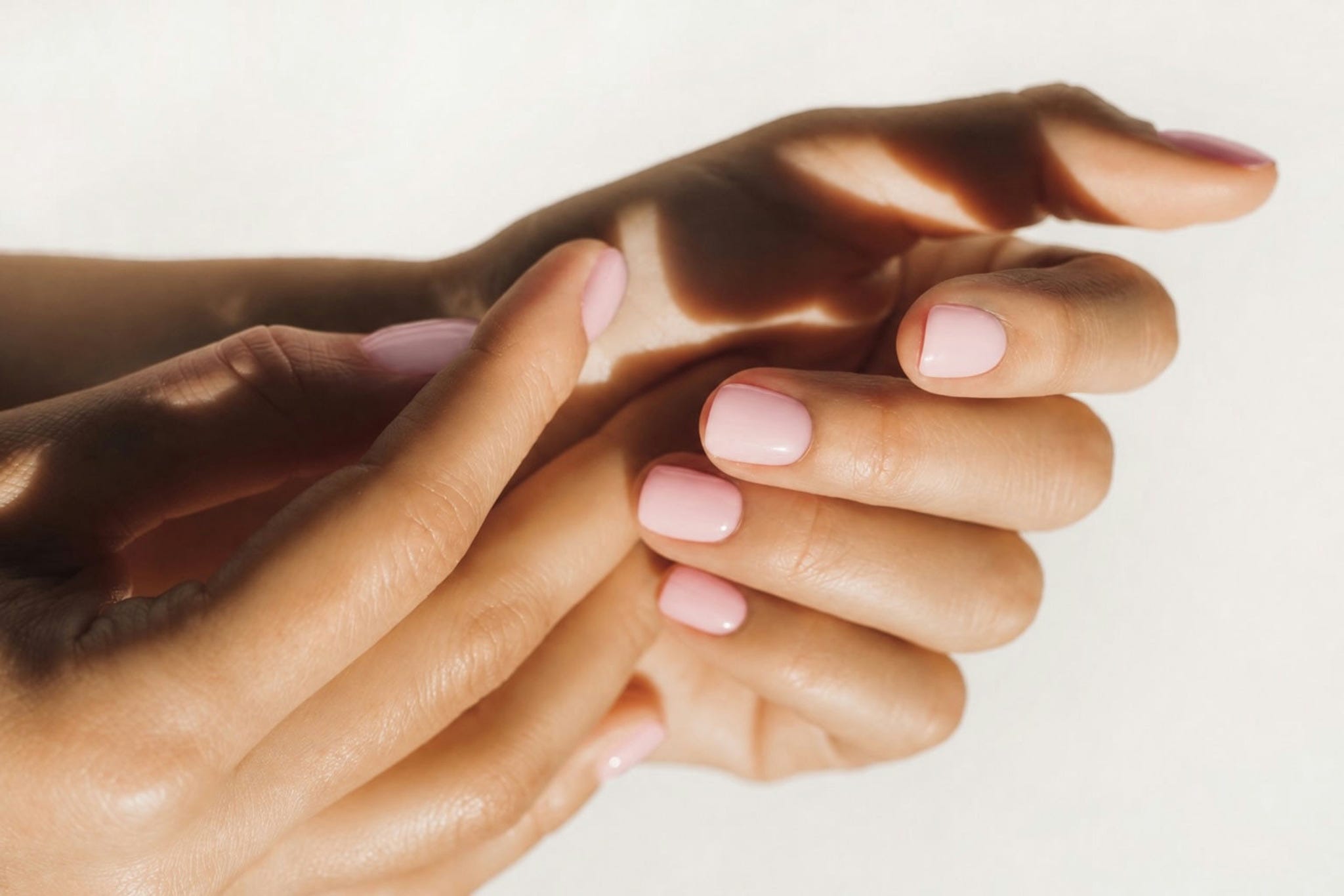
Ever found yourself staring down at your nails, contemplating if you really want to deal with the whole manicure rigmarole again? I feel you—sometimes the thought of sitting still for a salon session or meticulously layering polish at home just feels like a mountain too steep to climb. Enter press-on nails: those dazzling little wonders promising salon-worthy glam in a snap, without draining your wallet or your patience. But hold on—are these quick fixes really the safe bet they claim to be? As someone who’s navigated the health and beauty worlds with a keen eye, I’m here to unpack the insider scoop on press-ons—from their perks to the pitfalls you gotta watch out for. Ready to nail down the truth and keep your digits looking fierce without the fuss? Let’s dive in.
 7 min read
There comes a time when even the most devout nail enthusiasts realize that getting a manicure—whether through visiting the salon or sitting at home meticulously applying layers of polish—simply feels like too much work.
Press-on nails are an enticing alternative: They offer the ease of quick, at-home application with the appearance and longevity of salon-quality tips. Plus, there are seemingly countless brands and designs to choose from, and oftentimes you can rewear your favorite sets, making them considerably more affordable than a professional manicure.
As if that weren’t convincing enough, press-ons are considered relatively safe for your nail health, too, especially compared to more aggressive and potentially damaging treatments such as gel, dip powder, and acrylic manicures, experts say. “There’s so many positives, mainly that [press-ons] don’t typically require polish remover or aggressive filing-off of the product,” says Dana Stern, MD, a board-certified dermatologist and assistant clinical professor of dermatology at the Mount Sinai Medical Center in New York City. “From a safety perspective, they’re probably pretty comparable to basic polish.”
Meet the experts: Chris Adigun, MD, is a board-certified dermatologist and the president and medical director of the Dermatology & Laser Center of Chapel Hill. Dana Stern, MD, is a board-certified dermatologist and assistant clinical professor of Dermatology at the Mount Sinai Medical Center in New York City. Gina Edwards is a celebrity manicurist and brand ambassador for Kiss Nails and Impress Nails.
But that doesn’t mean they’re completely risk-free. And if your goal is to preserve the health of your nails and cuticles, it’s important to know the best practices. So let’s dive into everything experts want you to know before using press-ons.
Applying press-ons can irritate your skin.
Press-on nail application sometimes requires the use of nail glue. And if the chemicals found in the adhesive inadvertently come into contact with your cuticle, they can cause irritation and allergic reactions. “These glues contain what are called unpolymerized monomers. These are very, very potent acrylate allergens,” says Chris Adigun, MD, a board-certified dermatologist and the president and medical director of the Dermatology & Laser Center of Chapel Hill, “and people can develop a robust reaction to these compounds.”
A negative reaction can occur right after application and lead to a condition called irritant contact dermatitis. This is when an irritant damages your skin’s outer protective layer, according to the Mayo Clinic, and as a result, you experience burning, pain, inflammation, redness, and possibly blistering and separation of the nail from the nail bed, Dr. Stern says.
An allergic reaction to the compounds in nail glue can also set in over time and cause what’s called allergic contact dermatitis—which is when a substance you’ve become sensitive to triggers an itchy rash on your skin as an immune response, Dr. Adigun says. This delayed reaction is often the result of chronic, repeated exposure to the nail glue, research suggests. The glue isn’t the only possible allergen, either—the gel nail tips themselves can contain acrylates and can cause the same allergic reaction.
Though it can happen to anyone, an allergy is more likely to develop among a nail salon worker who comes into contact with the chemicals day-in and day-out than someone who only gives themselves a manicure every now and then. Regardless, the risk of allergy is important to bear in mind because the same acrylates found in nail glue are commonly used in medicine, Dr. Adigun says. They can be found in products that are used to restore teeth, in bone cement, within surgical adhesives, and even in glucose-monitoring devices, she adds. As such, people who anticipate needing joint replacements, have type 1 diabetes and require insulin pumps, or require extensive dental restoration should consider avoiding press-on nail glue altogether, Dr. Adigun says.
And as a general rule of thumb, anyone who has developed an allergy to acrylates should consider flagging it to their doctor or dentist before a procedure that may use the ingredients, since repeated exposure in someone already sensitized can make the allergic reaction even more pronounced.
Careful application is key.
Properly applying your press-ons can make them safer by minimizing your risk of damage or developing an allergy to the adhesive. First things first: Make sure you’re working with a clean nail surface, says Gina Edwards, a celebrity manicurist and brand ambassador for Kiss Nails and Impress Nails.
Then, carefully push back the cuticle to limit contact with the glue and maximize the nail surface area for the press-on to stick to. You can also clip the extra cuticle skin, but be delicate: If you trim too far down, the skin will become inflamed and likely start bleeding. To make your manicure last longer, you can also use an alcohol wipe on your nails to dry them before applying the press-ons. This improves the bond between your natural nail and the press-on since natural oils in your nails and cuticles can keep adhesives from getting a solid grip on your nail plate and cause your manicure to fall off prematurely, Edwards adds.
To minimize damage to your natural nails, you can also apply a coat of nail polish, nail strengthener, or base coat before applying the glue and the press-on. “[The base coat layer] helps with protecting the nail if you were to yank it off. You’re less likely to damage the superficial nail cells,” Dr. Stern says.
Once you’re ready to apply the glue, be intentional about how much you’re using. Too much glue allows the adhesive to flood onto your cuticle and raises the risk of irritation. “Depending on the length of your nail, you want to use one-fifth of a droplet of glue, about the size of a sesame seed, on either your nail or on the press-on,” Edwards says. People with longer nail beds can feel free to apply the glue directly onto their own nail, but those with shorter beds can apply to the press-on instead, Edwards adds: Short beds have less surface area to work with, so applying the glue to the press-on can help keep glue from flooding the cuticle.
But if the thought of properly applying the glue feels overwhelming, you can always visit a nail technician instead, Dr. Stern says. “I’m a huge fan of relying on professionals when it comes to application. When these chemicals can ooze onto the skin, you’re always going to be better off with a professional applying it.” Plus, “it’s just mechanically more difficult to apply things to your own nails,” she adds.
However, the safest application method is using adhesive tabs instead of glue. The tabs work like double-sided tape, but much stronger. They don’t last quite as long as glue, but they don’t run the same risk of allergies and irritation either, Dr. Stern says.
Proper removal is important, too.
To preserve nail health, the way you remove your press-ons is just as important as how you put them on. So if you take anything away from this article, let it be this: When it comes time to remove the nails, don’t rip them off. Otherwise, “you can inadvertently lift the nail off the bed. That’s called onycholysis,” says Dr. Stern.
Onycholysis can allow moisture to get trapped between the nail and the bed, leading to structural damage of your nails or infections, experts say. And when that happens, fungus and bacteria can grow, causing common issues such as green nail syndrome, or “greenies”—which is when a type of bacteria festers under the nail and produces a pigment that leads to a greenish discoloration, Women’s Health previously reported.
Removing nails by force can also lead to keratin granulations, or white spots that occur due to severe nail dehydration, Dr. Stern says. “When it comes to removing any press-on nails, the key is taking your time,” Edwards adds.
Instead of tearing off your nails, invest in glue remover specifically designed to dissolve the molecular bonds in the adhesive, Dr. Adigun says. These products are typically sold separately from the press-on sets and contain ingredients such as acetone or oil-based solvents.
Use a cuticle tool to lift the press-on slightly away from your nail and then squeeze the solution in the space between. Give it a bit of time to work, and if the nails don’t begin to lift easily, just repeat the process until they do, Edwards says. (People who don’t give the glue time to break down usually end up damaging their nail surface.)
To help you put on and take off your press-ons with ease, here are a few products that are Women’s Health-approved:
Must-Have Products for Press-On Manicures
Best Adhesive Tabs

BTArtbox Adhesive Tabs for Press On Nails
Sticky tabs are the way to go when it comes to applying press-on nails, as they don’t expose your skin to potentially irritating chemicals. These ones offer 20 sheets in 15 different sizes to fit most fingers.
Best Ointment

Doctor Rogers Restore Healing Balm
This all-in-one skin remedy, recommended by Dr. Adigun, is a moisturizing ointment that soothes, protects and heals dry, sensitive and injured skin. You can apply to your cuticles daily to support nail health in between and during manicures.
Best Nail Glue Remover

KISS Glue Off Instant False Nail Remover
After using nail glue, it’s important to remove it using a solution designed to dissolve the adhesive. This one, which comes in gel form, works in minutes: There’s no soaking time required. The gel works to loosen the bond, and the chisel tip nudges false nails off.
Preventative care can protect nail health.
Unfortunately, the best manicure for nail health is usually no manicure at all. Lame, I know. But there are steps you can take to keep your nails in good shape when you’re not rocking your latest set.
For one, nails need to be kept moisturized, experts say. Natural oils act as a protective layer for nails, but they can be eroded from things like hot showers, exposure to cleaning chemicals, frequent manicures, and wear and tear through daily life.
This is why it’s important to hydrate the nails with vitamin E and jojoba-enriched cuticle oils, Edwards adds. These plant-based oils have greater staying power and can penetrate into the nail for maximum hydration. You can also take protective measures such as wearing gloves whenever you’re working with abrasive cleansers and avoiding using your nails as tools, experts say.
And as fun as it is to have beautiful nails 24/7, Dr. Adigun recommends erring on the side of caution and taking a one-to-two month break in between sets to give your nails time to recover. However, if you’re not noticing any damage to your nails, application frequency can be totally up to your discretion, Dr. Stern adds.
At the end of the day, press-ons are still one of the lower-risk ways to get a fresh mani without committing to a chair for two hours—you just have to treat that little tube of glue with the respect it deserves. A little patience during application (and zero tolerance for ripping anything off during removal) goes a long way toward keeping both your nails and your skin happy. When in doubt, let a pro handle the sticky stuff.

Pet Pouch Hoodie Cat Hoodie with Pouch Pull Pocket for Dogs & Snack Hoodies | Kangaroo Sweatshirt with Dog Pouch Side Zip Pocket Drop Shoulder Sweatshirt Big Size Front Dog & Cat Carrier Sweatshirts
$14.99 (as of September 20, 2026 03:10 GMT +00:00 - More infoProduct prices and availability are accurate as of the date/time indicated and are subject to change. Any price and availability information displayed on [relevant Amazon Site(s), as applicable] at the time of purchase will apply to the purchase of this product.)
ALOHA Organic Plant Based Protein Bars - Peanut Butter Cup Bar - 12 Bars, Vegan, Low Sugar, Gluten-Free, Low Carb, Non-GMO, No Stevia, No Erythritol
$17.88 (as of September 20, 2026 03:04 GMT +00:00 - More infoProduct prices and availability are accurate as of the date/time indicated and are subject to change. Any price and availability information displayed on [relevant Amazon Site(s), as applicable] at the time of purchase will apply to the purchase of this product.)
YISHU 6Ft Surge Protector Power Strip with 8 Widely Outlets & 4 USB Ports | 3 Side Outlet Extender with 6 Feet Extension Cord, Flat Plug, for Home, Office, College Dorm Room Essentials
$9.98 (as of September 20, 2026 03:12 GMT +00:00 - More infoProduct prices and availability are accurate as of the date/time indicated and are subject to change. Any price and availability information displayed on [relevant Amazon Site(s), as applicable] at the time of purchase will apply to the purchase of this product.)
Dr Pepper, Zero Sugar, 12 Ounce, 12 Count
$6.46 (as of September 20, 2026 03:04 GMT +00:00 - More infoProduct prices and availability are accurate as of the date/time indicated and are subject to change. Any price and availability information displayed on [relevant Amazon Site(s), as applicable] at the time of purchase will apply to the purchase of this product.)











Post Comment