
Unlock the Secret to Defying Age: 4 Functional Exercises That Could Transform Your Strength Forever
Ever wondered if physical health is just about sprinting faster or bulking up with heavier weights? Think again. True strength isn’t just about flashy lifts or chasing speed records—it’s about crafting movements that keep you upright, agile, and unbreakable for decades to come. Functional exercises aren’t glamorous, but they’re the secret sauce behind lasting resilience, mobility, and power that supports every part of your daily grind. In this quick 3-minute read, discover four powerhouse moves, endorsed by top trainers like Aimee Victoria Long and Joseph Webb, designed to train multiple muscle groups and boost your full-body coordination. Ready to get fit for life, not just for the gym? Let’s dive in. LEARN MORE
 3 min read
Physical health isn’t just about running faster or lifting heavier—it’s about building movement that supports you for life. Functional exercises train your body to handle the demands of daily activities, helping you to stay resilient, mobile, and strong for the long haul.
These four movements work multiple muscle groups and in various planes of motion to build “full-body coordination, balance and strength,” says Aimee Victoria Long, one of London’s leading personal trainers, “giving you a holistic readiness for long-term functional fitness as you age.”
Meet the experts: Joseph Webb is a chartered personal trainer, nutritionist and coach with over 20 years’ experience, with a client base ranging from doctors and corporate CEOs to celebrities. Aimee Victoria Long is a personal trainer and one of London’s leading fitness experts.
1. Single‑leg standing balance

Aim for 30 seconds per side.
Long explains this movement is essential for “preventing falls and maintaining physical independence as you age.” Developing balance, control, and neuromuscular coordination through your core, ankle, leg, and hip, it helps maintain lifelong stability and reduces risk of injury.
a) Stand with feet hip-width apart and put your hands on your hips.
b) Lift one leg off the floor and bend it at your knee, keeping a soft bend in your working leg and your eyes open, focusing on a single point.
2. Turkish get-up
Do 4 reps per side (8 total). Be slow, deliberate, and controlled.
The Turkish get-up is a full-body movement that “mimics real-life actions like getting out of bed, reaching overhead, and standing up from the floor,” explains Webb, “which are all essential for maintaining independence as we age.”
“This single movement builds strength and mobility by training shoulder stability, core strength, leg drive, and cross-body coordination,” he continues. “Performing it well on both sides is a powerful marker of total-body functional strength—and if you can still do it smoothly into your later years, you’re aging well.”
a) Lie on your back with one arm extended straight up (use bodyweight or a weight). Bend the same-side knee, foot flat on the floor.
b) Press through your foot and elbow to come to a seated position.
c) Lift your hips and sweep your straight leg under into a lunge.
d) Stand tall, arm still overhead.
e) Reverse the steps to return to the floor.
3. Straight-arm (high) plank
Work your way up to a full 60-second hold —the “magic minute”—as a strong target for baseline functional strength.
“The straight-arm plank looks simple, but it activates and works your shoulders, arms, core, glutes, hips, and legs all at once,” explains Webb. “It helps train postural integrity and full-body stability—foundations of strength and longevity—and it’s a fundamental test of total-body control and endurance.” A strong, well-held plank also shows that your body’s stabilizers are firing correctly, essential for balance and injury prevention at any age.
a) Start in a high plank, with your wrists under your shoulders, arms straight, legs extended.
b) Slightly tuck your tailbone, engage your core, glutes, and legs. Keep your body in a straight line from head to heels.
c) Breathe steadily (no holding your breath!).
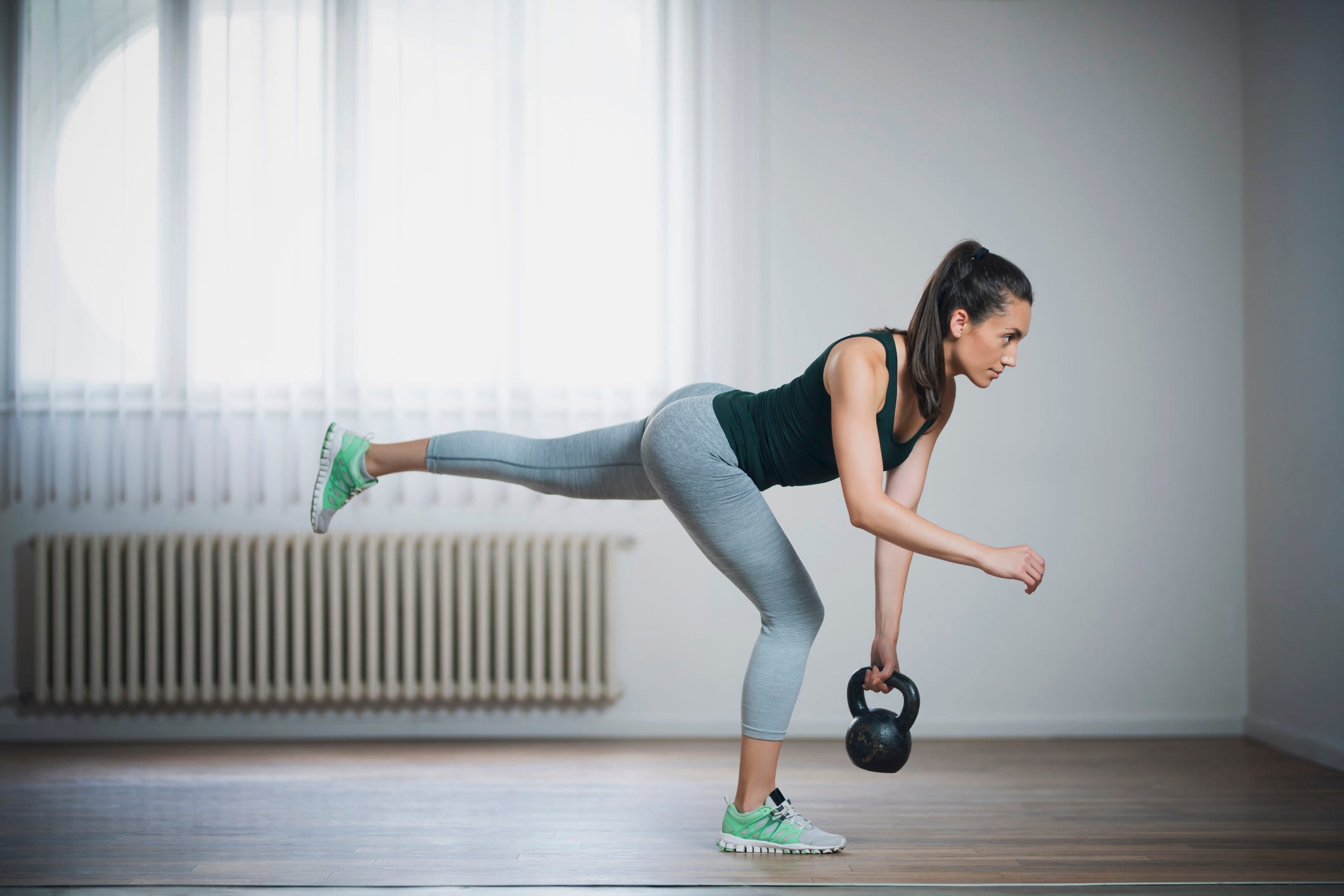
4. Single‑leg Romanian deadlift
Aim for 6-10 reps per leg with control.
As Long explains, this variation of the standard Romanian deadlift develops unilateral (single-sided) balance, core stability and strength in your posterior chain—muscles along the back of your body including your glutes, hamstrings, erector spinae, and calves—building lower-body symmetry and resilience.
a) Stand on one leg, allowing it to bend slightly while holding a weight in your hand or using your body weight.
b) Hinge forward at your hips, maintaining a flat back, and extend your other leg straight back behind you. Your chest will drop forward.
c) When you reach the end of the range of motion—typified by tension in your hamstrings—reverse the movement to return to standing upright.

Joseph Webb MCIMSPA (CH), MRSPH, is an award-winning trainer and author whose distinctions place him among the most highly accredited professionals in the UK health and fitness industry. With over 20 years of coaching experience, he has worked with a diverse range of clients including celebrities, corporate CEOs, orthopaedic surgeons and athletes, and is recognised for his commitment to evidence-based practice and delivering results. He has been featured by BBC, The Standard, GQ and Marie Claire. Browse his site here

Organic Banana Bunch (4-5 Count)
(as of October 15, 2026 03:09 GMT +00:00 - More infoProduct prices and availability are accurate as of the date/time indicated and are subject to change. Any price and availability information displayed on [relevant Amazon Site(s), as applicable] at the time of purchase will apply to the purchase of this product.)
Beats Solo 4 - Wireless On-Ear Bluetooth Headphones, Up to 50-Hour Battery Life, Ultra-Lightweight Comfort, Powerful and Balanced Sound, Apple & Android Compatible - Matte Black
$149.95 (as of October 15, 2026 03:21 GMT +00:00 - More infoProduct prices and availability are accurate as of the date/time indicated and are subject to change. Any price and availability information displayed on [relevant Amazon Site(s), as applicable] at the time of purchase will apply to the purchase of this product.)
Medium Hass Avocado
(as of October 15, 2026 03:09 GMT +00:00 - More infoProduct prices and availability are accurate as of the date/time indicated and are subject to change. Any price and availability information displayed on [relevant Amazon Site(s), as applicable] at the time of purchase will apply to the purchase of this product.)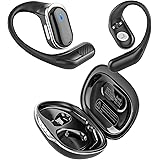
Open Ear Wireless Earbuds Bluetooth Headphones, 80H Playtime Stereo Ear Buds with ENC Noise Cancelling, Fast Charging, IPX7 Waterproof Sports Earphones with Earhook for Running/Workouts (Black)
$26.98 (as of October 15, 2026 03:32 GMT +00:00 - More infoProduct prices and availability are accurate as of the date/time indicated and are subject to change. Any price and availability information displayed on [relevant Amazon Site(s), as applicable] at the time of purchase will apply to the purchase of this product.)












Post Comment