How Marathon Runners Are Outsmarting Deadly Heatwaves to Smash Their Personal Bests
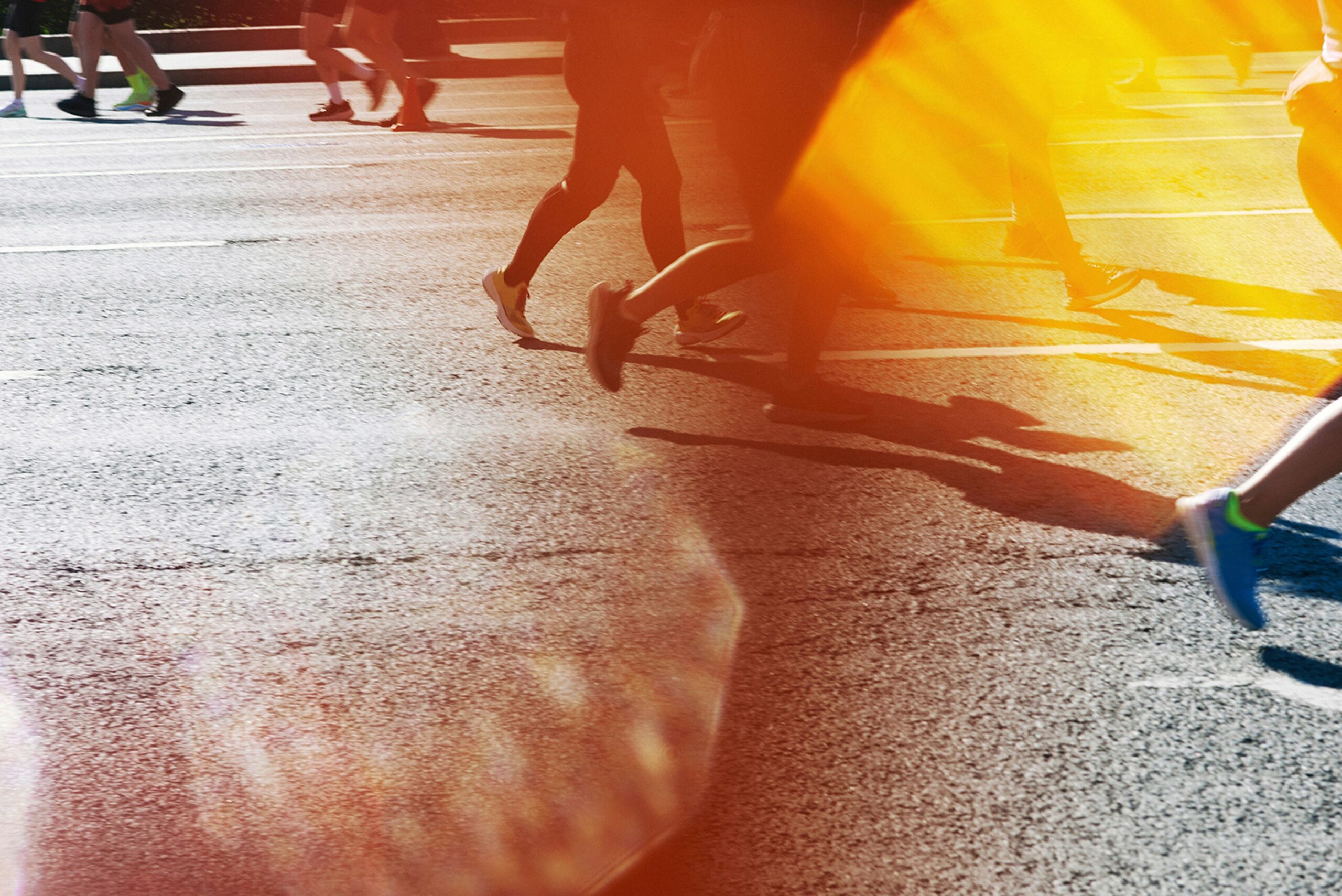
Ever planned for a marathon, packed your gear, psyched yourself up for that perfect personal record—and then the weather throws you a curveball hotter than a furnace? That’s exactly what happened to Jessica Lefkowitz at the Berlin Marathon in September 2025. Picture this: flying halfway across the globe, dreaming of a sub-five-hour finish, only to be greeted by an unseasonable 81-degree heatwave that turned the race into a relentless sauna. Suddenly, the goalpost isn’t just about speed—it’s about survival. Jessica isn’t alone. With the planet heating up faster than our favorite post-run ice bath can chill, runners everywhere are hitting pavement coated in heatwaves they never signed up for. So, how do you keep your cool—literally and figuratively—when the thermometer’s climbing, the humidity’s off the charts, and your thirst for that finish line stays fierce? Strap in, because this isn’t just another training guide. It’s your ultimate playbook to conquering marathons in a climate that’s running hot—and I’m here to share the insider tips that’ll keep you moving strong, safe, and smart under the sun. LEARN MORE
 7 min read
Jessica Lefkowitz felt more prepared than ever to run her second marathon, in Berlin in September 2025. She’d flown halfway across the world with her family and was excited to attempt a sub-five-hour time. That is, until she saw the weather report predicting an absolutely scorching 81 degrees.
“I threw my goal for the PR out the window,” says Lefkowitz, 28. The temperature in late September in Berlin typically tends to sit between 50 and 65 degrees, per AccuWeather, so Lefkowitz hadn’t expected it to be quite so warm. Just a few miles in, she’d sweat through her clothes and felt herself slowing down. She saw other runners throwing up on the side of the course or getting pulled into medical tents. “I was like, ‘Oh my god, I want to die,’ ” she says.
Lefkowitz is one of a growing number of runners logging miles in unseasonable heat—a trend that’s only accelerating. In March 2026, the World Meteorological Organization confirmed that the past 11 years were the hottest on record globally, and just like many other areas of life, races (and everyday runs!) are impacted.
A Climate Central analysis of 221 marathons found that 86 percent will have lower odds of ideal running temps by 2045. In the past year, the Shamrock Marathon in Virginia Beach, the L.A. Marathon, the Twin Cities Marathon, and the Brooklyn Half Marathon saw high temps of anywhere from 80 to 88 degrees, with up to 90 percent humidity.
Yes, that’s a big problem for the health, safety, and comfort of runners. Yet at the same time, running is more popular than ever, with record-breaking numbers of applications for major 2026 marathons like New York City, London, and Sydney. In other words: The miles aren’t going anywhere. They’re just getting hotter, which means prep and race-day strategies matter more than ever. Here’s how to train, race, and finish strong.

Train for the heat, not just the distance.
When it comes to a scorcher of a marathon, practice like you’re going to play. It takes about two weeks for your body to adapt to a hot environment, according to the American College of Sports Medicine. However, the mental game of running in the heat is just as critical as the physical one, so it’s important to incorporate it into your long-term training plan.
If you already live where the weather is warm, that can be as simple as doing some runs during the hotter parts of the day, rather than always defaulting to cool early-morning or evening miles. If you’re in a cooler climate, you can simulate the stress: Try short treadmill sessions in a warm room (skip the fan or AC, or even turn the heat up slightly) one or two times per week, building gradually.
You can also try running outside in extra layers to mimic a hot environment. “If it’s a crisp 50-degree day, put on a long-sleeve and a fleece vest and really stay warm and uncomfortable,” says Kelly Roberts, a Road Runners Club of America–certified run coach and founder of the Badass Lady Gang run community. Or, after a hard run, Roberts has her clients go straight into a sauna or hot tub for 15 to 20 minutes without drinking any water in between, to get their body used to heat stimuli. (If you don’t have access to one of those, hop in a hot shower.)
Just as with distance, increase your time running in the heat by 10 percent every week, says Danielle Hirt, an RRCA-certified running coach and 20-time marathoner. If you do this, you should be able to do large sections of your long runs in higher temps by the time your race comes around.
And if your schedule and resources allow, it’s also a good idea to get to your race location a few days early to help with acclimatization, says John Jardine, MD, chief medical officer at the Korey Stringer Institute and medical director of the Falmouth Road Race in Massachusetts.
Fuel and hydrate early and often.
When it’s toasty outside, all of your standard race best practices, like sipping from your hydration vest and slurping those gels, become that much more important. Load up on electrolyte-rich sports drinks and salt your food starting four days before your race, Roberts recommends. During the race itself, you’re going to want to be drinking water and replenishing your electrolytes like clockwork.
Though there are some golden rules for staying hydrated, like maintaining clear pee, every runner has different requirements based on their unique sweat rate. To calculate your sweat rate, weigh yourself naked before and after a run, ideally one done in the heat. The difference between the two weights is your overall fluid loss during the run, says exercise physiologist Rachelle Reed, PhD. Multiply the difference by 150 percent and you’ll have the amount of liquid you’ll need to drink during runs of that length. (For example: If a 150-pound woman finishes a run at 148 pounds, that’s a 2-pound loss. Multiply 2 by 1.5 and you get 3 pounds—or roughly 48 ounces—of fluid to replace over a run of that distance.)
If you know how much you need to hydrate, you can build water station stops into your marathon planning instead of attempting to play catch-up. (Just be sure to sip, not guzzle.)
As most runners know, there’s also a phenomenon called bonking, which happens when your body runs out of glycogen stores, and therefore energy. Bonking is more likely to happen when it’s hot and you’re sweating more. “When you bonk, you can’t make sense of anything because your brain is literally struggling to stay conscious and coherent,” says Roberts. So if there’s ever a time to nail your fueling strategy, a hot race is it. Maybe even grab a few extra gels just in case.
Try old-school cooldown tricks.
Pouring cold water on your body is the oldest hack in the book—and it works. When applied to the skin, chilled water or even ice acts as an AC of sorts to cool your internal temperature and bring some much-needed relief.
Despite the allure of gadgets like cooling vests and Bluetooth temperature trackers, you don’t need the most newfangled tech to keep cool during your run. Wearing light-colored UPF clothing, opting for a visor over a hat, and sticking ice in your pockets and bra all help to get the job done, says Roberts. At the end of the day, your heat training and mental preparedness are going to be what push you to the finish line.
Make a cooling plan with friends and family.
Think of your supporters as your pit crew and prep them accordingly. Have a strategy for where they’ll stand throughout the course and what they should bring with them. During the race, loved ones can hand you bottles of ice or even pour cold water on you as you run, suggests Roberts. Cold items pressed against your skin can help lower your internal temperature.
On particularly hot days, most races will up their own offerings—like cold water-soaked sponges or sprinklers on the course. Look out for any communications about that, know where every water station will be, and make a plan for how you’ll use the amenities to cool off.
It can also be worthwhile to have your crew check in on your mental status as you’re running. Zaley DeLeonardis-Page, a medical student, succumbed to heat stroke during her first-ever marathon, in Burlington, Vermont, back in 2023. For her second, she had her friends and family ask her basic questions during pit stops and just make sure she didn’t show signs of an altered mental state.
Run the race you’re in.
Training for an endurance event takes months, and it’s natural to show up with big goals. But when race day turns hot, the smartest move might be adjusting them. When you’re running in heat, your body has to expend more effort to maintain your vital organs, leaving less energy available for speed, says Hirt. If you feel yourself slowing down, or even needing to take breaks during the race, your body is doing what it needs to do to keep you safe.
This realization hit Lefkowitz at the 10-kilometer mark of the Berlin Marathon, when she understood that she had to either slow down or step off the course. “It’s hard for any runner to make that conscious decision to throw a goal away early in the race, but I needed to shift into more of a walk-run to be able to finish,” she says.
At this year’s L.A. Marathon, the race organizers provided a controversial accommodation: an early-finish option. In the heat of the 85-degree day, runners could redirect to a finish line at the 18-mile mark and still receive a medal. Only 985 of the 22,979 finishers—4.5 percent—utilized the exit, says Meg Treat, a spokesperson for the marathon. There were 16 medical transports for the entire event (two were for spectators), and everyone who was brought to the hospital was discharged. “We believe that giving runners the choice did contribute to those medical results,” says Treat, “and we’re extremely satisfied with those outcomes.”
Know Your Red Zone: Heat exhaustion starts with queasiness or lethargy, vomiting, muscle cramps, or just not feeling well, Dr. Jardine says. If it progresses to heat stroke, there is usually a change in mental status: Being off-balance, experiencing general confusion, or having slurred speech are cues a runner needs to get help ASAP. “Studies show that heat stroke is 100 percent survivable if it’s recognized and treated in the first 30 minutes,” Dr. Jardine says.
Halle Newman is a freelance journalist and copywriter based in New York City. When she’s not writing, she’s probably strolling through Central Park with a matcha or trying out a new dance class.
Premier Protein 30g High Protein Shake, Chocolate, 12 Pack | 160 Calories, 24 Vitamins & Minerals, No Added Sugar, Supports Muscle Health, Gluten-Free, 11 oz
$23.97 (as of September 22, 2026 03:05 GMT +00:00 - More infoProduct prices and availability are accurate as of the date/time indicated and are subject to change. Any price and availability information displayed on [relevant Amazon Site(s), as applicable] at the time of purchase will apply to the purchase of this product.)
Rocco & Roxie Enzyme Stain & Odor Eliminator, 32 Fl Oz | Bio-enzymatic urine destroyer; CRI Certified Safe; made in USA; for carpets, bedding, litter boxes, crates & cars
$23.92 (as of September 22, 2026 03:05 GMT +00:00 - More infoProduct prices and availability are accurate as of the date/time indicated and are subject to change. Any price and availability information displayed on [relevant Amazon Site(s), as applicable] at the time of purchase will apply to the purchase of this product.)
Hybrid Active Noise Cancelling Bluetooth Headphones Wireless Headphones | Over Ear, 120H Playtime, Hi-Res Audio, Deep Bass, Memory Foam Ear Cups for Home Office Travel Black
$29.99 (as of September 22, 2026 03:23 GMT +00:00 - More infoProduct prices and availability are accurate as of the date/time indicated and are subject to change. Any price and availability information displayed on [relevant Amazon Site(s), as applicable] at the time of purchase will apply to the purchase of this product.)
Olcorife Flat Plug Power Strip with 10 FT Extension Cord, 8 Outlets 4 USB Ports(1 USB C), 3 Sided Outlet Extender for Home Office Travel Dorm Room Essentials, White
$9.99 (as of September 22, 2026 03:13 GMT +00:00 - More infoProduct prices and availability are accurate as of the date/time indicated and are subject to change. Any price and availability information displayed on [relevant Amazon Site(s), as applicable] at the time of purchase will apply to the purchase of this product.)













Post Comment