How the Same AirPods That Threaten Your Hearing Could Become Your Secret Weapon in Early Hearing Health Screening—Science Reveals All!
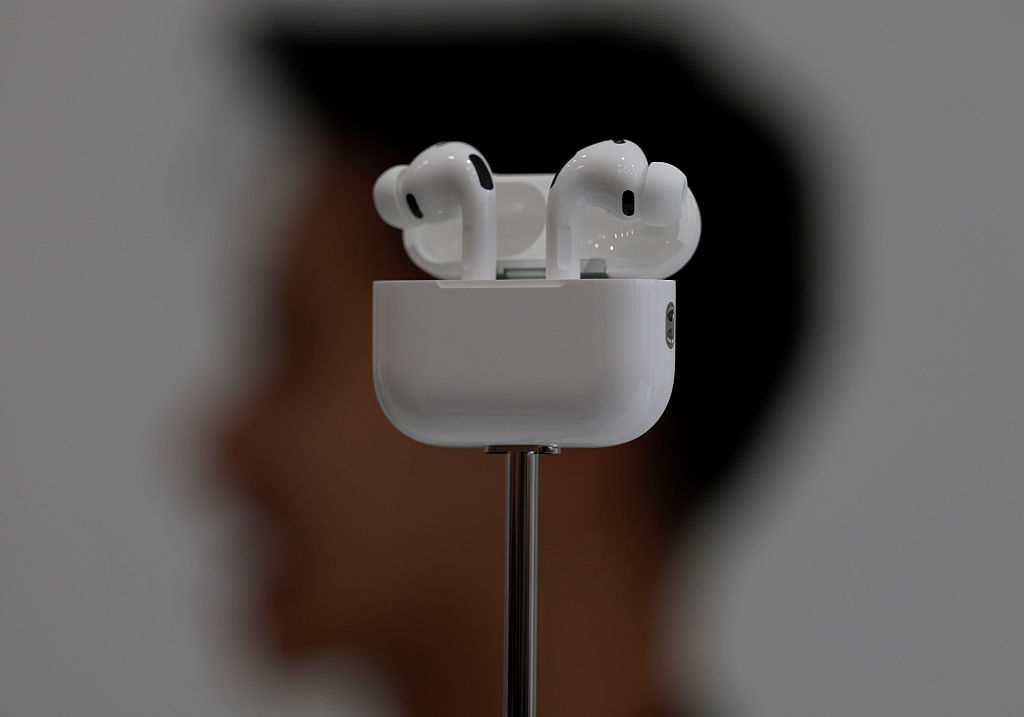
Ever had one of those moments where the very thing that’s been causing you grief suddenly becomes your secret weapon? Well, hang on to your hats, because the earbuds you’ve probably danced and banged your head to—the same ones some folks finger for contributing to a hearing crisis—are now moonlighting as a genuine hearing aid. Yep, Apple’s AirPods Pro have flipped the script with a groundbreaking feature that’s not just clever tech, it’s FDA-cleared and available over the counter as of September 2024. Imagine that: a modest $249 gadget you might already own, stepping up to quietly screen for hearing loss and boost sound clarity without that awkward trip to an audiologist. Given that most adults wait nearly a decade to tackle their hearing issues, this little innovation might just be the nudge we all need to listen up before the silence sneaks in too deep. Curious how it all works, and whether your AirPods can pull off this smart stunt? Let’s dive in. LEARN MORE
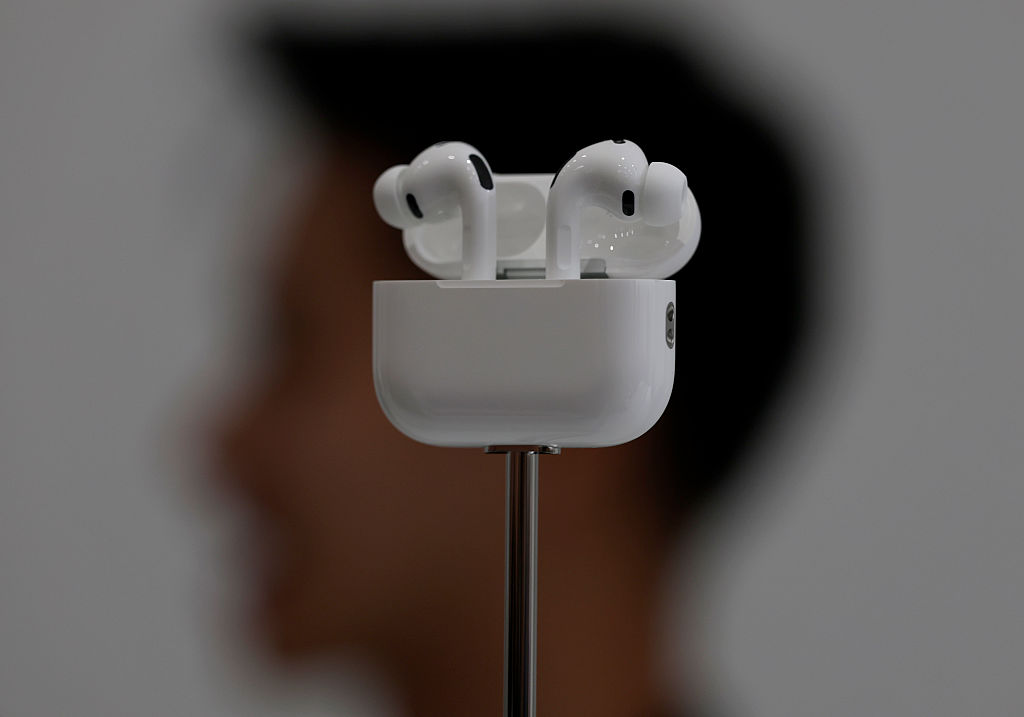
The same earbuds blamed for driving a global hearing crisis can now screen for and treat hearing loss too. That twist sits right at the center of Apple’s hearing aid feature for AirPods Pro, software that became the first over the counter hearing aid ever authorized by the FDA back in September 2024.
If you’ve been putting off dealing with your hearing, you’re far from alone. Adults who notice hearing loss wait an average of nine years before treating it. A 249 dollar pair of earbuds you may already own now offers a low pressure way to find out where you stand.
How the Airpods Pro hearing aid feature works
Apple’s official hearing health page confirms the Hearing Test and Hearing Aid feature run on both AirPods Pro 2 and the newer AirPods Pro 3, calling it the world’s first end to end hearing health experience built right into consumer earbuds. It’s part of a fast growing lineup of affordable over the counter hearing aids now reshaping how people access treatment.
Setup takes about five minutes. You run a built in hearing test through your paired iPhone, which creates a stored, shareable hearing profile. If the results point to mild or moderate hearing loss, your earbuds can then amplify speech and everyday sounds based on that personalized profile, no audiologist visit required.
What the FDA actually cleared
The FDA authorized the Hearing Aid Feature on September 12, 2024, through its de novo pathway, a route reserved for genuinely new, low to moderate risk devices.
That clearance was based on a 118 person clinical trial registered at ClinicalTrials.gov under Apple’s Smartphone Enabled Hearing Study. Self fitted AirPods matched professionally fitted hearing aids on speech in noise performance and amplification accuracy, and no device related adverse events came up.
A separate peer reviewed study in the Yonsei Medical Journal tested the underlying technology on 35 adults with mild to moderate hearing loss and found it held its own against a validated personal sound amplification product, improving word recognition and speech clarity in noisy settings compared to going unaided.
The study’s authors called out hearing loss as one of the most easily modifiable dementia risk factors, which makes early action worth taking seriously.
Why so few people treat their hearing loss
About 75 percent of adults with age related hearing loss go untreated, according to Cleveland Clinic geriatrician Dr. Ardeshir Hashmi, who calls the condition “eminently treatable.” Cost and stigma top the list of reasons why, and it’s easy to see how both keep people stuck.
Prescription hearing aids commonly run well into the thousands per pair. At 249 dollars, AirPods Pro close that gap in a way that feels approachable rather than clinical.
Apple isn’t the only one in this space anymore either. Sony, Jabra and Bose, through its Lexie partnership, have all brought FDA cleared over the counter hearing aids to market, part of a wider shift Consumer Reports has tracked as more traditional players enter the affordable hearing space.
The irony of using headphones to treat hearing loss
The World Health Organization has flagged unsafe headphone habits as putting over 1 billion young adults at risk of permanent hearing loss. The very device behind that warning now doubles as a screening and treatment tool for the exact condition it can help cause.
That’s worth keeping in mind before you lean on this as a full fix. The AirPods feature isn’t a replacement for a professional exam once your hearing loss goes beyond mild to moderate, and the FDA clearance only covers AirPods Pro 2 and Pro 3. Standard AirPods and the original AirPods Pro don’t qualify.
Still, if you’ve been sitting on untreated hearing loss, this gives you something new. A low cost, low commitment way to see whether amplification actually helps before you decide if a dedicated hearing aid is worth it.
Smart Watch for Men, 120 Sports Modes Smartwatch with 1.83" HD, Alexa Built-in, Heart Rate/Sleep Monitor, IP67 Waterproof, Bluetooth Call & Music Control Fitness Watch for iPhone/Android (Black)
$18.99 (as of September 3, 2026 03:11 GMT +00:00 - More infoProduct prices and availability are accurate as of the date/time indicated and are subject to change. Any price and availability information displayed on [relevant Amazon Site(s), as applicable] at the time of purchase will apply to the purchase of this product.)
OURA Ring 5 Sizing Kit, Smart Ring Accessory, Compatible App - Unique Sizing, Not Standard Ring Sizing - Receive Amazon Credit for Purchase
$10.00 (as of September 3, 2026 03:08 GMT +00:00 - More infoProduct prices and availability are accurate as of the date/time indicated and are subject to change. Any price and availability information displayed on [relevant Amazon Site(s), as applicable] at the time of purchase will apply to the purchase of this product.)
OLANLY Dog Door Mat for Muddy Paws 30x20, Super Absorbent Chenille Mud Mat | Grey, Absorbs Moisture and Dirt, Non-Slip Machine Washable Doormat, Quick-Drying Indoor Entryway Floor Carpet for Dogs
$9.46 (as of September 3, 2026 03:07 GMT +00:00 - More infoProduct prices and availability are accurate as of the date/time indicated and are subject to change. Any price and availability information displayed on [relevant Amazon Site(s), as applicable] at the time of purchase will apply to the purchase of this product.)
2026 Sleep Earbuds Bluetooth 5.4 in Ear Smart Touch Screen Ear Buds, 48H Playtime Mini Sleep Headphones Small Design for Side Sleepers, 5 EQ Modes, Crystal-Clear Calls, IPX7 Waterproof Earphones Black
$35.99 (as of September 3, 2026 03:11 GMT +00:00 - More infoProduct prices and availability are accurate as of the date/time indicated and are subject to change. Any price and availability information displayed on [relevant Amazon Site(s), as applicable] at the time of purchase will apply to the purchase of this product.)











Post Comment