How This 25-Year-Old Turned a Simple Apartment Idea Into a $200K Powerhouse—And Why Everyone’s Rushing to Copy Her Model

Ever stared at a snack aisle and wondered why your favorite beef jerky tastes like it was crafted in the dark ages—with a mountain of mystery ingredients and packaging that screams “bro from the ’90s”? Well, Nicole Schlesinger did. At 25, in the middle of culinary school in the Big Apple, she asked herself: why can’t there be a jerky that’s fresh, approachable, and, frankly, a little fun? Fast forward from her bustling apartment kitchen to a buzzing launch that’s poised to rake in over $200,000 in 2026 — Strip Jerky isn’t just a side hustle, it’s a bold reinvention of a beloved snack. Dive into Nicole’s journey of flipping frustration into a thriving brand, the nitty-gritty of bootstrapping a gourmet beef jerky line, and why sometimes, the best business lessons come from fixing mistakes on the fly. Ready to rethink beef jerky? Let’s go. LEARN MORE
Listen to this post
Key Takeaways
- Schlesinger wanted to revamp one of her favorite snacks.
- With a culinary education background, she tested recipes in her apartment kitchen.
- Just six months into Strip Jerky’s launch, the brand is on track for multi-six-figure revenue.
This Q&A features Nicole Schlesinger, 25, an entrepreneur based in New York City. Schlesinger is the founder of the gourmet beef jerky line Strip Jerky, which began in her apartment kitchen and is projected to see more than $200,000 in annual revenue in 2026.
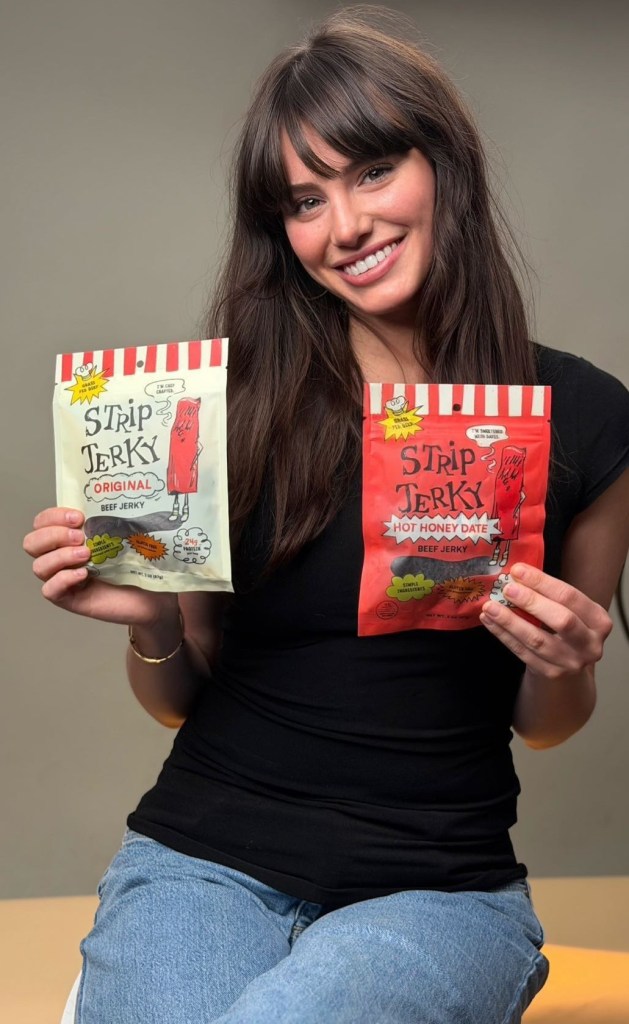
What was your day job or primary occupation when you started Strip Jerky?
I was attending culinary school full-time at the Institute of Culinary Education. Strip started as an idea while I was in school and quickly became something I spent every spare hour building outside of class.
Starting a business inspired by frustration: Strip Jerky
When did you start your business, and where did you find the inspiration for it?
The idea came from a simple frustration. I loved beef jerky, but I could never find a brand that resonated with me. Most felt like they were made for one specific customer, with hyper-masculine branding that hadn’t evolved in years. The packaging felt outdated, the ingredient lists were filled with things I didn’t want to eat, and it wasn’t a product people were excited to discover. Most jerky is made with liquid smoke and brown sugar and has a strong smell that I never liked.
I wanted to create a chef-crafted beef jerky made with clean, recognizable ingredients that felt modern, approachable and fun. My goal wasn’t just to make another jerky brand — it was to bring new consumers into the category by completely reimagining the experience.
What were some of the first steps you took to get your side hustle off the ground?
I started by developing recipes in my apartment kitchen and learning everything I could about food production, packaging, labeling and FDA regulations. Also, I was taking a business management course in culinary school, which really helped me better understand the food industry. I spent months testing recipes, sourcing ingredients and building the brand before my first production run. We are 100% bootstrapped.
Relying on other founders and the Startup CPG community
Are there any free or paid resources that have been especially helpful for you in starting and running this business?
Other founders have been one of my biggest resources. The Startup CPG community has been incredibly generous with advice, introductions and sharing lessons they’ve learned. I’ve also learned a tremendous amount through AI.
If you could go back in your business journey and change one process or approach, what would it be, and how do you wish you’d done it differently?
I would have been much more cautious about what I spent money on. When you’re a new company, a lot of people approach you trying to sell expensive services. Most of the time, you can either do it yourself or ask other CPG founders for advice.
Be prepared — and solve problems as quickly as possible
When it comes to this specific business, what is something you’ve found particularly challenging and/or surprising that people who get into this type of work should be prepared for, but likely aren’t?
Making sure every production run is exactly right. I think this is something people really underestimate. Just because you’ve tested the recipe doesn’t mean every batch will come out exactly how you want it. You have to be prepared for the fact that not every order will be perfect, and you’ll need to solve problems quickly.
Can you recall a specific instance when something went very wrong? How did you fix it?
We discovered a spelling error on a 10,000-bag order just four weeks before the Summer Fancy Food Show, our biggest trade show to date. I knew I didn’t want to put that product into the market, so I scrapped every bag. I wanted buyers and retailers to see a product I was proud of, and a spelling mistake on the front of the package wasn’t acceptable. We reordered all of the bags, rushed production and overnighted everything so we were ready in time for the show.
1,800 pre-orders and over $200,000 in projected revenue
How long did it take to see consistent monthly revenue?
We launched direct-to-consumer in early 2026 and began generating consistent monthly revenue almost immediately. The biggest validation was seeing customers come back for repeat orders and retailers continuing to reorder quickly. That gave me confidence that we were building something people genuinely wanted.
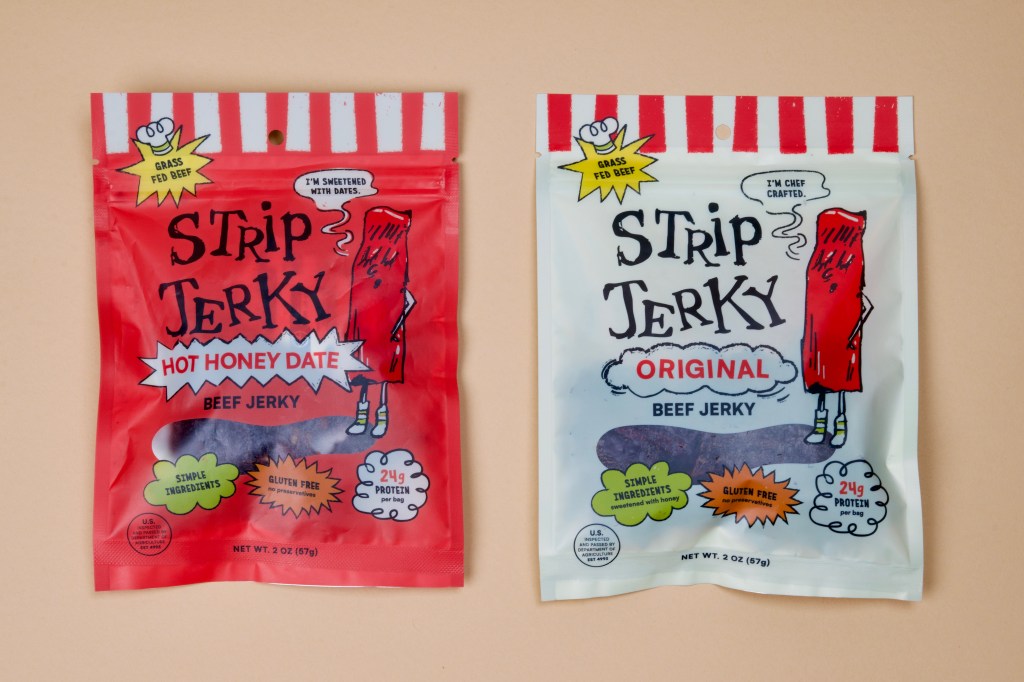
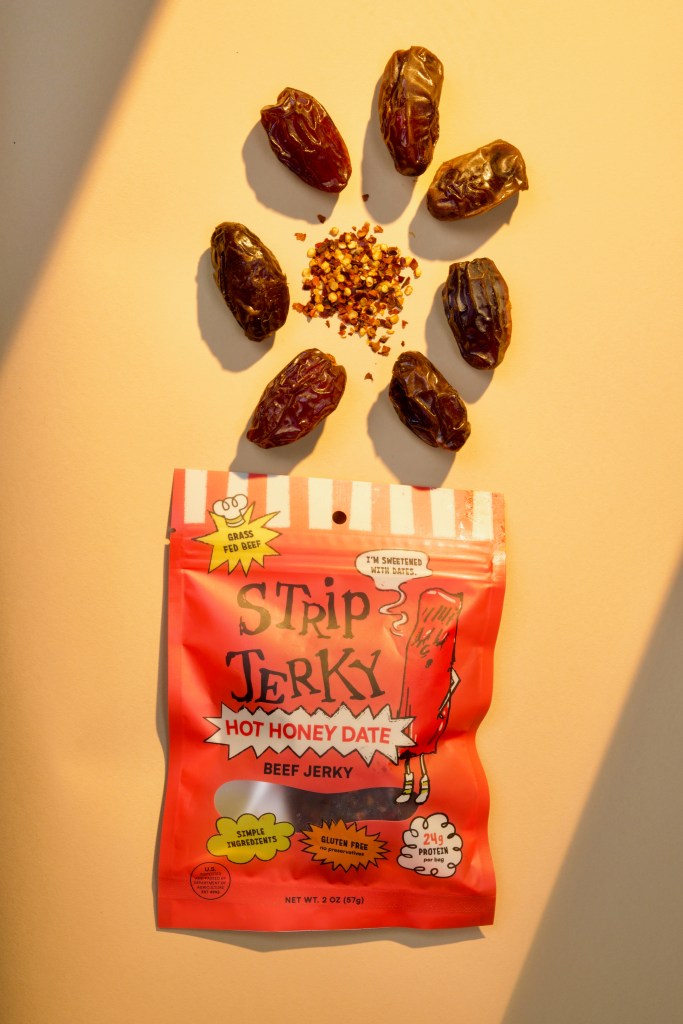
One of the biggest revenue milestones so far was in the six weeks leading up to our new drop. We sold more than 1,800 bags through pre-orders alone of both hot honey date and our original flavor, and our projected revenue for 2026, after just launching six months ago, is more than $200,000.
How much time do you spend working on your business on a daily, weekly or monthly basis?
It’s much more than a full-time job. I typically spend 10 to 14 hours a day working on Strip. Every day looks different, but it usually includes retailer outreach, operations, product development, marketing, content creation and working with our partners. As a founder, you’re constantly juggling a million different things.
What do you enjoy most about running this business?
I love creating something that didn’t exist before. Whether it’s watching someone try Strip for the first time, seeing our product on store shelves or hearing that a retailer wants to place another order, it’s incredibly rewarding to build a brand that people genuinely connect with.
What is your best piece of specific, actionable business advice?
Don’t wait until you think you’re ready. Start talking to customers as early as possible. Sell before you scale, listen carefully to feedback and improve quickly. The market will teach you far more than months of planning ever will.
Key Takeaways
- Schlesinger wanted to revamp one of her favorite snacks.
- With a culinary education background, she tested recipes in her apartment kitchen.
- Just six months into Strip Jerky’s launch, the brand is on track for multi-six-figure revenue.
This Q&A features Nicole Schlesinger, 25, an entrepreneur based in New York City. Schlesinger is the founder of the gourmet beef jerky line Strip Jerky, which began in her apartment kitchen and is projected to see more than $200,000 in annual revenue in 2026.
What was your day job or primary occupation when you started Strip Jerky?
I was attending culinary school full-time at the Institute of Culinary Education. Strip started as an idea while I was in school and quickly became something I spent every spare hour building outside of class.
Starting a business inspired by frustration: Strip Jerky
When did you start your business, and where did you find the inspiration for it?
The idea came from a simple frustration. I loved beef jerky, but I could never find a brand that resonated with me. Most felt like they were made for one specific customer, with hyper-masculine branding that hadn’t evolved in years. The packaging felt outdated, the ingredient lists were filled with things I didn’t want to eat, and it wasn’t a product people were excited to discover. Most jerky is made with liquid smoke and brown sugar and has a strong smell that I never liked.
Lance Assorted Sandwich Crackers, 20 Count Variety Pack
$8.42 (as of September 9, 2026 03:13 GMT +00:00 - More infoProduct prices and availability are accurate as of the date/time indicated and are subject to change. Any price and availability information displayed on [relevant Amazon Site(s), as applicable] at the time of purchase will apply to the purchase of this product.)
San Marco Coffee Whole Bean Flavored Coffee, Swiss Chocolate Almond, 2 Pound
(as of September 9, 2026 03:13 GMT +00:00 - More infoProduct prices and availability are accurate as of the date/time indicated and are subject to change. Any price and availability information displayed on [relevant Amazon Site(s), as applicable] at the time of purchase will apply to the purchase of this product.)
Wellness Complete Health Pate Variety Pack Kitten Canned Wet Cat Food, Natural, Protein Rich, Grain Free, Whitefish and Chicken Recipes, 3 oz, Pack of 12 Cans
$20.89 (as of September 9, 2026 03:08 GMT +00:00 - More infoProduct prices and availability are accurate as of the date/time indicated and are subject to change. Any price and availability information displayed on [relevant Amazon Site(s), as applicable] at the time of purchase will apply to the purchase of this product.)
Fujifilm Instax Mini Instant Film, 20 Sheets – White Daylight ISO 800 for Instax Mini 13, 12, 11, 41 Cameras –Bundeld with The Tudak Store Microfiber Cleaning Cloth
$32.95 (as of September 9, 2026 03:13 GMT +00:00 - More infoProduct prices and availability are accurate as of the date/time indicated and are subject to change. Any price and availability information displayed on [relevant Amazon Site(s), as applicable] at the time of purchase will apply to the purchase of this product.)










Post Comment