
This AI Upgrade Just Shattered the Inference Game — Here’s Why Every Investor and Entrepreneur Needs to Pay Attention Now
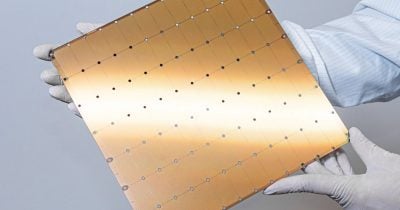
When OpenAI unveiled its GPT-5.6 model family on June 26, 2026, I figured we’d be dazzled by soaring benchmark numbers — but nope, the real showstopper was the powerhouse hardware under the hood. Imagine this: a single silicon wafer, integrating compute and memory tightly enough that the usual latency headaches vanish. That’s exactly what Cerebras Systems brings to the table with their wafer-scale engine, propelling OpenAI’s flagship variant, Sol, toward a blazing 750 tokens per second starting July 2026. Curious how packing everything onto one chip can upend the GPU-dominated inferencing world? Think of it as turning a slow dial-up connection into fiber-optic lightning—woah, right? Plus, with a 15x performance boost anticipated and a multi-year, 750-megawatt commitment locked in, this partnership could shift the entire AI infrastructure landscape. Of course, with great power comes regulatory scrutiny—Sol’s public debut waits on government nods, making this not just a tech reveal but a tightrope walk through policy as well. Ready to dive deeper into this fusion of groundbreaking silicon and cutting-edge AI? LEARN MORE
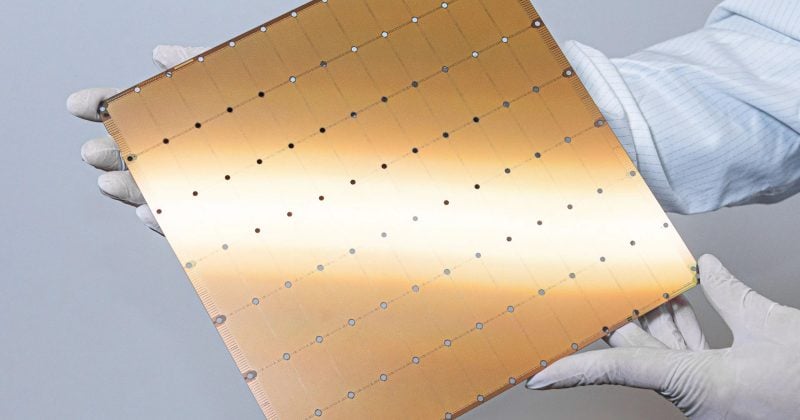
OpenAI previewed its GPT-5.6 model family on June 26, 2026, and the most interesting part of the announcement had nothing to do with benchmark scores. It was the hardware sitting underneath the model.
The flagship variant, called Sol, is being deployed in partnership with Cerebras Systems, targeting throughput of up to 750 tokens per second starting in July 2026.
What Cerebras actually does differently
Cerebras puts everything on a single silicon wafer, keeping compute and memory integrated so the chip does not have to ask another chip for the data it needs. That integration is what allows Cerebras to minimize the latency bottlenecks that plague conventional GPU setups during large model inference.
OpenAI and Cerebras formalized a multi-year agreement in January 2026 to deploy 750 megawatts of wafer-scale compute capacity dedicated specifically to low-latency inference tasks.
Early analysis projects that Cerebras’ architecture could deliver performance improvements of up to 15 times compared to conventional GPU clusters.
The GPT-5.6 model family
GPT-5.6 ships as a three-model family. Sol is the flagship, built for maximum capability and the primary target of the Cerebras deployment. Terra is the cost-efficient variant. Luna rounds out the lineup as the speed-optimized option.
GPT-5.6 follows GPT-5.5, which OpenAI released on April 23, 2026. That prior model also targeted agentic benchmark improvements and inference efficiency.
The regulatory overhang
The public release of Sol is pending review by U.S. government agencies, and approvals during the preview period will be handled on a case-by-case basis.

Inesore 4 Pairs Replacement Ear Tips for AirPods Pro 2nd/1st (White) | (2019/2022/2023) with Noise Reduction Hole & Built-in dust Guard Screen,Silicone, with Cleaner Pen,4 Size (XS/S/M/L)
$6.98 (as of October 24, 2026 03:23 GMT +00:00 - More infoProduct prices and availability are accurate as of the date/time indicated and are subject to change. Any price and availability information displayed on [relevant Amazon Site(s), as applicable] at the time of purchase will apply to the purchase of this product.)
Amazon Kindle Paperwhite Signature Edition 32GB (newest model), Thinner, new aluminum design, 7" display, Auto-adjusting front light, Seaglass Green
$249.99 (as of October 24, 2026 03:34 GMT +00:00 - More infoProduct prices and availability are accurate as of the date/time indicated and are subject to change. Any price and availability information displayed on [relevant Amazon Site(s), as applicable] at the time of purchase will apply to the purchase of this product.)
Apple EarPods Headphones with USB-C Plug, Wired Ear Buds with Built-in Remote to Control Music, Phone Calls, and Volume
$19.00 (as of October 24, 2026 03:23 GMT +00:00 - More infoProduct prices and availability are accurate as of the date/time indicated and are subject to change. Any price and availability information displayed on [relevant Amazon Site(s), as applicable] at the time of purchase will apply to the purchase of this product.)
Flea and Tick Collar for Cats 5 Pack, 8 Months Protection, Plant-Based Ingredients, Water-Resistant, Adjustable & Lightweight, Suitable for Adult Cats & Kittens, White
$28.99 (as of October 24, 2026 03:23 GMT +00:00 - More infoProduct prices and availability are accurate as of the date/time indicated and are subject to change. Any price and availability information displayed on [relevant Amazon Site(s), as applicable] at the time of purchase will apply to the purchase of this product.)













Post Comment