
Inside OpenAI’s Secret Playbook: How Trump Administration Talks Reshaped the Future of AI—and What It Means for Your Business

So, here’s the kicker: OpenAI, under the watchful eye of Sam Altman, just hit the brakes on their GPT-5.6 rollout—not because of tech glitches or market hype, but due to a direct nudge from the Trump administration. You might wonder, how often do you see cutting-edge AI development playing nice with government red tape? Altman’s candid admission that this staggered, government-approved release was “not the preferred method” tells you a lot. It’s that uneasy dance between innovation and regulation—where building a blockbuster AI model suddenly feels more like navigating a political minefield than just pushing code. If you’re an investor or entrepreneur watching this unfold, the implications are massive: Could this be the new normal where AI breakthroughs come with a bureaucratic delay, reshaping how and when the future hits the market? Buckle up, because OpenAI’s decision to choose collaboration over confrontation might just set the tone for the entire industry’s playbook. LEARN MORE
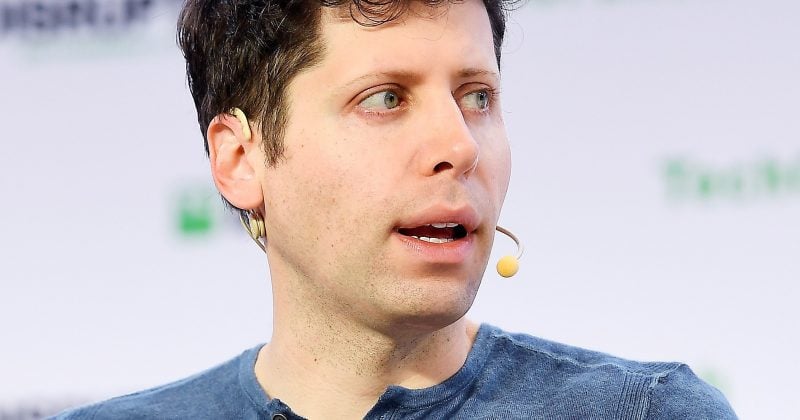
OpenAI adjusted its release strategy for the GPT-5.6 series after discussions with the Trump administration, limiting initial access to government-approved partners rather than rolling it out broadly.
CEO Sam Altman acknowledged the shift in an internal memo, describing the controlled release as “not the preferred method.” But preferred or not, the company appears to have decided that working with Washington beats working against it.
What actually happened
On June 25, the Trump administration asked OpenAI to stagger the public release of GPT-5.6 over security concerns. The request came on the heels of an executive order issued earlier in June that established a voluntary 30-day review process for frontier AI models before they hit the broader market.
OpenAI complied. The company previewed GPT-5.6 for federal agencies first, with plans to expand global access by July 8 following government approval.
OpenAI wasn’t the only company caught in the new framework. Anthropic, its closest rival in the frontier model race, faced similar restrictions during the same period.
Altman’s internal memo struck a diplomatic tone, expressing hope for a “collaborative approach” going forward.
The regulatory backdrop
The executive order establishing the review process represents the Trump administration’s most direct intervention in AI deployment to date. Previous AI-related executive orders from this administration focused primarily on removing barriers, rolling back Biden-era guardrails, and positioning the US as the global leader in AI development.
The 30-day assessment window gives federal agencies time to evaluate national security implications before these tools reach the public or foreign markets.
For OpenAI specifically, the timing is notable. The company has been aggressively expanding its commercial partnerships, pursuing government contracts, and positioning itself as a trusted infrastructure provider for both the private and public sectors. OpenAI’s discussions with high-level officials, including Commerce Secretary Howard Lutnick, exemplify the direct interaction between government entities and tech companies in crafting these strategies.
What this means for investors
The staggered release model introduces a new variable into how AI companies bring products to market. If the 30-day review process becomes standard practice for frontier models, it effectively creates a regulatory lag between development completion and revenue generation.
The fact that both OpenAI and Anthropic were subject to similar restrictions suggests the review process will apply broadly across the frontier AI landscape.
The most telling detail in this entire episode might be the smallest one: Altman called the controlled release “not the preferred method” but went along with it anyway.

Purina Pro Plan Complete Essentials Chicken & Rice Dry Dog Food, 35 lb Bag | Shredded Blend crunchy kibble with tender pieces, real chicken as the first ingredient, live probiotics for digestive health
$74.48 (as of October 24, 2026 03:13 GMT +00:00 - More infoProduct prices and availability are accurate as of the date/time indicated and are subject to change. Any price and availability information displayed on [relevant Amazon Site(s), as applicable] at the time of purchase will apply to the purchase of this product.)
Amazon Kindle Colorsoft Signature Edition 32GB (newest model), Thinner, new aluminum design, 7" color display, Auto-adjusting front light, Fig
$319.99 (as of October 24, 2026 03:34 GMT +00:00 - More infoProduct prices and availability are accurate as of the date/time indicated and are subject to change. Any price and availability information displayed on [relevant Amazon Site(s), as applicable] at the time of purchase will apply to the purchase of this product.)
HANYCONY Surge Protector Power Strip, 1080J, 5 Ft Braided Extension Cord | 8 Outlets 4 USB Ports(2 USB C), Outlet Extender, Flat Plug, Wall Mount, Desk Charging Station, Home Office, Dorm Room ETL
$11.99 (as of October 24, 2026 03:23 GMT +00:00 - More infoProduct prices and availability are accurate as of the date/time indicated and are subject to change. Any price and availability information displayed on [relevant Amazon Site(s), as applicable] at the time of purchase will apply to the purchase of this product.)
Amazon Fire HD 10 tablet, built for relaxation, 10.1" vibrant Full HD screen, octa-core processor, 4 GB RAM, 32 GB, Black
$72.99 (as of October 24, 2026 03:23 GMT +00:00 - More infoProduct prices and availability are accurate as of the date/time indicated and are subject to change. Any price and availability information displayed on [relevant Amazon Site(s), as applicable] at the time of purchase will apply to the purchase of this product.)













Post Comment