Nexchip’s $890M Hong Kong Debut: What This Game-Changer Means for Global Tech Investors
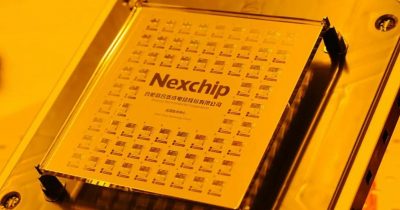
Here’s a question that’s been bouncing around my mind lately: how does a chipmaker raise nearly $900 million in today’s cutthroat market, especially when everyone’s talking about the latest nanometer breakthroughs—not the ones from half a decade ago? Nexchip Semiconductor Corporation just pulled off this pretty remarkable feat by debuting on the Hong Kong Stock Exchange, snagging one of the largest chip industry listings of the year. Pricing their shares at the top of the range, they’re not just raising money—they’re doubling down on a vision that’s part grit, part strategy, and a little bit of geopolitical chess. With over half their haul pegged for R&D and expansion of a massive new fab in Hefei, Nexchip’s playbook is crystal clear: growth with a cautious nod to reality, focusing on their 22-nanometer sweet spot rather than chasing the bleeding edge. This raises bigger questions about where the semiconductor game is really headed and whether playing it safe is the new bold. Intrigued? You should be — because behind these numbers lies a story about navigating trade wars, supply chain puzzles, and the fierce race for innovation. LEARN MORE
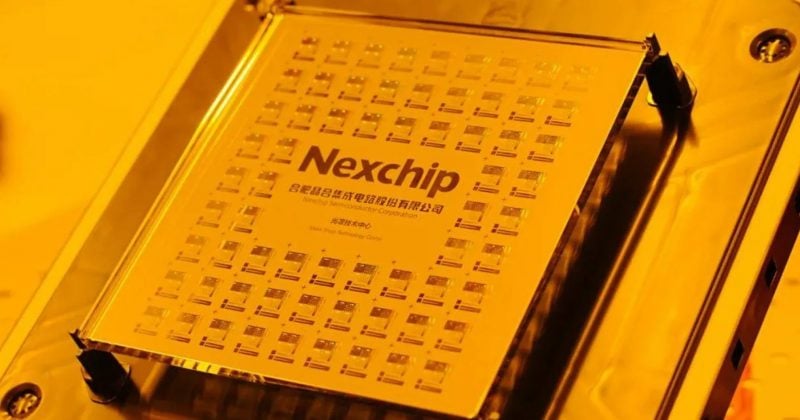
Nexchip Semiconductor Corporation started trading on the Hong Kong Stock Exchange on July 10, raising approximately $890 million in what amounts to one of the largest chip industry listings this year. The Chinese foundry priced 216.2 million shares at HK$32.30 each, landing at the top of its expected range.
The deal and where the money goes
The offering generated roughly HK$6.98 billion in total proceeds. More than half of that capital is earmarked for research and development, with a particular focus on optimizing Nexchip’s 22-nanometer process technology and AI-powered systems integration.
The R&D allocation alone exceeds HK$3.5 billion. Nexchip is also building a new manufacturing facility in Hefei, China, with a price tag of $5.1 billion. The Hong Kong listing proceeds will help fund a portion of that expansion, which is designed to significantly scale the company’s production capacity.
Nexchip already trades on the Shanghai Stock Exchange, making this a dual-listing play. The Hong Kong leg gives the company access to international capital pools that are increasingly difficult for Chinese semiconductor firms to tap through other channels.
Why this matters beyond chips
US export restrictions have systematically tightened the screws on China’s chip ambitions over the past several years. Washington has restricted access to advanced chipmaking equipment, limited the flow of high-end AI chips, and pressured allies like the Netherlands and Japan to follow suit. Nexchip’s Hong Kong listing fits into that narrative, and is part of a broader trend in 2026, with multiple Chinese chip companies returning to capital markets to raise funds outside the mainland.
Founded in 2015 and headquartered in Hefei, Nexchip has grown into China’s third-largest pure-play foundry. The company recorded revenue of 10.89 billion yuan in 2025, representing a 17.7% year-on-year increase.
What this means for investors
The $5.1 billion Hefei facility is worth watching closely. Capital-intensive manufacturing buildouts in the chip industry have a long history of cost overruns and timeline slippage. TSMC’s Arizona fab, Intel’s Ohio expansion, and Samsung’s Texas project have all encountered delays and budget creep.
The 22-nanometer focus also deserves context. While leading-edge chipmakers like TSMC and Samsung are pushing toward 2-nanometer and below, Nexchip is optimizing a node that’s several generations behind the frontier. The 22nm node serves end markets including automotive, IoT, and industrial applications where bleeding-edge performance matters less than cost and reliability.
Revenue growth of 17.7% is solid but not spectacular for a company in high-growth mode with government backing. The gap between 22nm optimization and the sub-7nm nodes dominating AI workloads is enormous, and bridging it will require more than money — it will require talent, IP development, and access to equipment that remains restricted under current export controls.

The Farmer's Dog Human-Grade Crunchy Dog Biscuits, Peanut Butter & Pumpkin | All-Natural Dog Treats Made with Real Ingredients For Puppies and Adult Dogs, For All Ages, Sizes and Breeds
$13.48 (as of September 12, 2026 03:08 GMT +00:00 - More infoProduct prices and availability are accurate as of the date/time indicated and are subject to change. Any price and availability information displayed on [relevant Amazon Site(s), as applicable] at the time of purchase will apply to the purchase of this product.)
Blink Outdoor 4 – Wireless smart security camera, two-year battery life, two-way talk. Required Sync Module not included – Add-on camera
$69.99 (as of September 12, 2026 03:10 GMT +00:00 - More infoProduct prices and availability are accurate as of the date/time indicated and are subject to change. Any price and availability information displayed on [relevant Amazon Site(s), as applicable] at the time of purchase will apply to the purchase of this product.)
Soundcore Anker Space 2 Bluetooth 6.1 Over-Ear Headphones, Travel-Ready | Active Noise Cancelling, 50H Playtime, LDAC Hi-Res, Dual Connection, Clear Calls, Nap Mode, Wearing Detection, Fast Charging
$109.99 (as of September 12, 2026 03:20 GMT +00:00 - More infoProduct prices and availability are accurate as of the date/time indicated and are subject to change. Any price and availability information displayed on [relevant Amazon Site(s), as applicable] at the time of purchase will apply to the purchase of this product.)
Frito-Lay Fun Times Mix Variety Pack, 40 Count
$22.43 (as of September 12, 2026 03:03 GMT +00:00 - More infoProduct prices and availability are accurate as of the date/time indicated and are subject to change. Any price and availability information displayed on [relevant Amazon Site(s), as applicable] at the time of purchase will apply to the purchase of this product.)













Post Comment