Could This Muscle-Boosting Supplement Be the Secret Weapon Against Depression? Scientists Aren’t Ready to Say Yet.
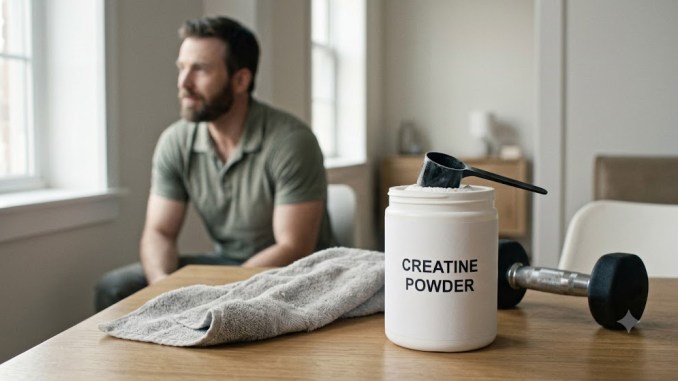
You ever wonder if that trusty tub of creatine sitting on your gym shelf could do more than just bulk up your biceps? What if, just what if, it could also nudge depression aside? Sounds like a plot twist straight out of a sci-fi flick—but science is tossing around this idea seriously now. Creatine, well-known for cranking up muscle power and speeding recovery, is stepping into the spotlight for a new gig: mood aid. But hold your horses—before you reload that scoop, the current evidence is a mixed bag, not quite the knockout punch we wish for yet. The real question isn’t just can creatine lift weights—it’s, can it lift the fog of depression too? If you’re curious about whether this supplement might one day join the mental health toolkit or if it’s just another hype train, buckle up. This story digs into fresh research, surprising findings, and why men, especially, might want to keep an eye on this muscle favorite taking a shot at mental clarity. LEARN MORE

Can Creatine Lift Your Depression?
By Guy Counseling Staff | July 9, 2026
Creatine is already one of the most popular supplements in the fitness world, mostly known for helping with strength, muscle performance, and workout recovery. But a new scientific review is raising a different question: could creatine also play a role in treating depression?
The short answer: maybe — but the evidence is not strong enough yet to call creatine a depression treatment.
A new review published in Brain Medicine looked at existing clinical trials on creatine and depression. The researchers found early signs that creatine may help some people when used alongside standard depression treatments, but the overall picture was mixed.
That matters because depression remains one of the most common mental health challenges men face, even if many guys still avoid talking about it. If you want more background on symptoms, warning signs, and support options, Guy Counseling has a guide on male depression.
What the Review Found
The review looked at five randomized controlled trials involving 238 participants. In those studies, 126 people received creatine and 112 received a placebo. Most of the participants were women, and two of the studies included only women.
Two studies found that creatine appeared to help when added to other treatments. In one trial, people taking creatine along with the antidepressant escitalopram showed stronger improvement in depressive symptoms than people taking escitalopram with a placebo. Another study found better symptom reduction when creatine was combined with cognitive behavioral therapy.
But the other three trials did not find a meaningful benefit. One looked at people whose depression had not responded well to medication. Another involved adolescent girls. A third studied people with bipolar disorder experiencing depression.
That mixed result is the key point. Creatine may have potential, but the science is not settled.
Why Creatine Might Affect Mood
Creatine helps cells produce and recycle energy. That is why it has been so popular in gyms for decades. Muscles need energy to perform, and creatine can support that process.
But the brain is also an energy-hungry organ. Researchers are interested in whether changes in brain energy metabolism may play a role in depression for some people. If creatine helps support cellular energy, it is reasonable for scientists to ask whether it could affect mood as well.
There is also interest in how creatine may interact with brain chemicals involved in mood regulation, including serotonin and dopamine. But that does not mean creatine has been proven to treat depression. It means researchers have a biological reason to keep studying it.
Why Men May Pay Attention
This topic will probably catch the eye of a lot of men because creatine is already familiar. It is not some obscure lab compound. It is widely available, relatively inexpensive, and commonly used by guys who lift weights, train, or care about performance.
That said, familiar does not automatically mean appropriate for depression. Supplements can affect people differently, especially if someone is taking medication, has bipolar disorder, has kidney concerns, or is dealing with other health issues.
The review also noted a safety concern in the bipolar disorder trial: two participants who received creatine developed hypomania or mania. That does not mean creatine causes mania in everyone with bipolar disorder, but it is a reminder that mood disorders are complex and supplements should not be treated casually.
What This Does Not Mean
This does not mean men should start taking creatine to self-treat depression.
It also does not mean creatine works like an antidepressant. The studies reviewed were small, varied in quality, and did not all point in the same direction. Some showed promise. Others showed no clear advantage over placebo.
That is why the researchers are calling for larger, longer studies. Future research may help answer important questions, including who might benefit, what dose may be useful, whether men and women respond differently, and whether creatine works better when paired with exercise, therapy, or medication.
The Guy Counseling Takeaway
Creatine is worth watching as part of the growing conversation around brain energy, mood, and depression. For men, that conversation is especially important because depression can show up as irritability, withdrawal, low motivation, anger, fatigue, substance use, or loss of interest in things that used to matter.
If future research confirms a benefit, creatine could become one more tool in a larger depression treatment plan. But right now, it belongs in the “interesting but not proven” category.
The smart move is not to chase a quick fix. It is to look at depression from multiple angles: sleep, movement, nutrition, therapy, medication when appropriate, social support, and honest conversations with people who can help.
Creatine may eventually have a place in that picture. For now, the research says: promising, not conclusive.
Source: ScienceDaily / Genomic Press. The review, “Creatine as a treatment for depression,” was published in Brain Medicine.
Wireless Earbuds Bluetooth 5.4, 50H Playtime Sport Earphones with Earhooks | HiFi Stereo Bluetooth Hearphones with ENC Noise Cancelling Mic, IPX7 Waterproof Over the Ear Buds for Gym/Running/Workout
$22.99 (as of September 12, 2026 03:20 GMT +00:00 - More infoProduct prices and availability are accurate as of the date/time indicated and are subject to change. Any price and availability information displayed on [relevant Amazon Site(s), as applicable] at the time of purchase will apply to the purchase of this product.)
Apple EarPods Headphones with USB-C Plug, Wired Ear Buds with Built-in Remote to Control Music, Phone Calls, and Volume
$19.00 (as of September 12, 2026 03:10 GMT +00:00 - More infoProduct prices and availability are accurate as of the date/time indicated and are subject to change. Any price and availability information displayed on [relevant Amazon Site(s), as applicable] at the time of purchase will apply to the purchase of this product.)
Fhumsh Wireless Earbuds, Bluetooth 5.3 Headphones HiFi Stereo 50H Playback LED Digital Display Ear Buds with ENC Noise Canceling Headset, IPX7 Waterproof Earphones for Gym/Running/Work(Black)
$19.97 (as of September 12, 2026 03:20 GMT +00:00 - More infoProduct prices and availability are accurate as of the date/time indicated and are subject to change. Any price and availability information displayed on [relevant Amazon Site(s), as applicable] at the time of purchase will apply to the purchase of this product.)
JBL Go 5 Portable Bluetooth Speaker, Waterproof and Dustproof - Pink | Dustproof Drop-Proof With up to 10 Hr Battery, Stereo Pairing, App Control For Pool, Beach, Outdoor Listening
$39.95 (as of September 12, 2026 03:20 GMT +00:00 - More infoProduct prices and availability are accurate as of the date/time indicated and are subject to change. Any price and availability information displayed on [relevant Amazon Site(s), as applicable] at the time of purchase will apply to the purchase of this product.)














Post Comment