Unlock the Secret Formula to a Wellness Routine That Finally Sticks—No Gimmicks, Just Results!
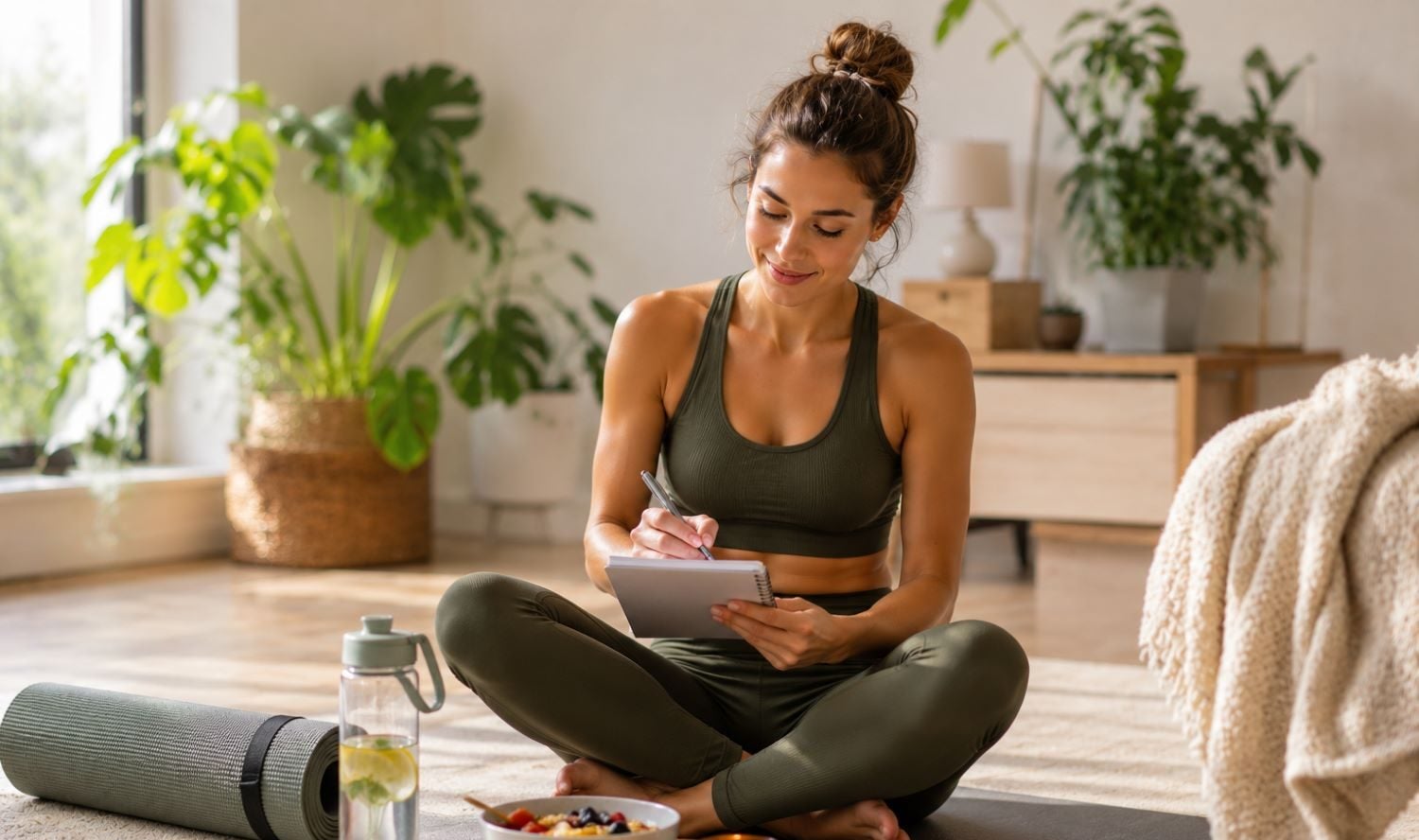
Ever find yourself scrolling through your feed, eyeing that flawless morning ritual that promises to turn you into a wellness goddess by sunrise? Yeah, me too — and honestly, it can feel a bit like trying to catch smoke with your bare hands. The truth is, the “perfect” routine plastered all over the internet usually crashes and burns faster than a three-day new year’s resolution. What if instead of chasing that unicorn, we focused on a wellness routine that actually fits our messy, glorious lives? One that doesn’t make you feel like a failure when life throws you a curveball. Because here’s the scoop: wellness isn’t about drastic overhauls or ticking off endless to-dos — it’s about finding a few solid habits that stick, feel good, and make each day just a little bit smoother. Ready to ditch the pressure and build something real? Let’s unpack how to create a wellness routine you can genuinely live with. LEARN MORE
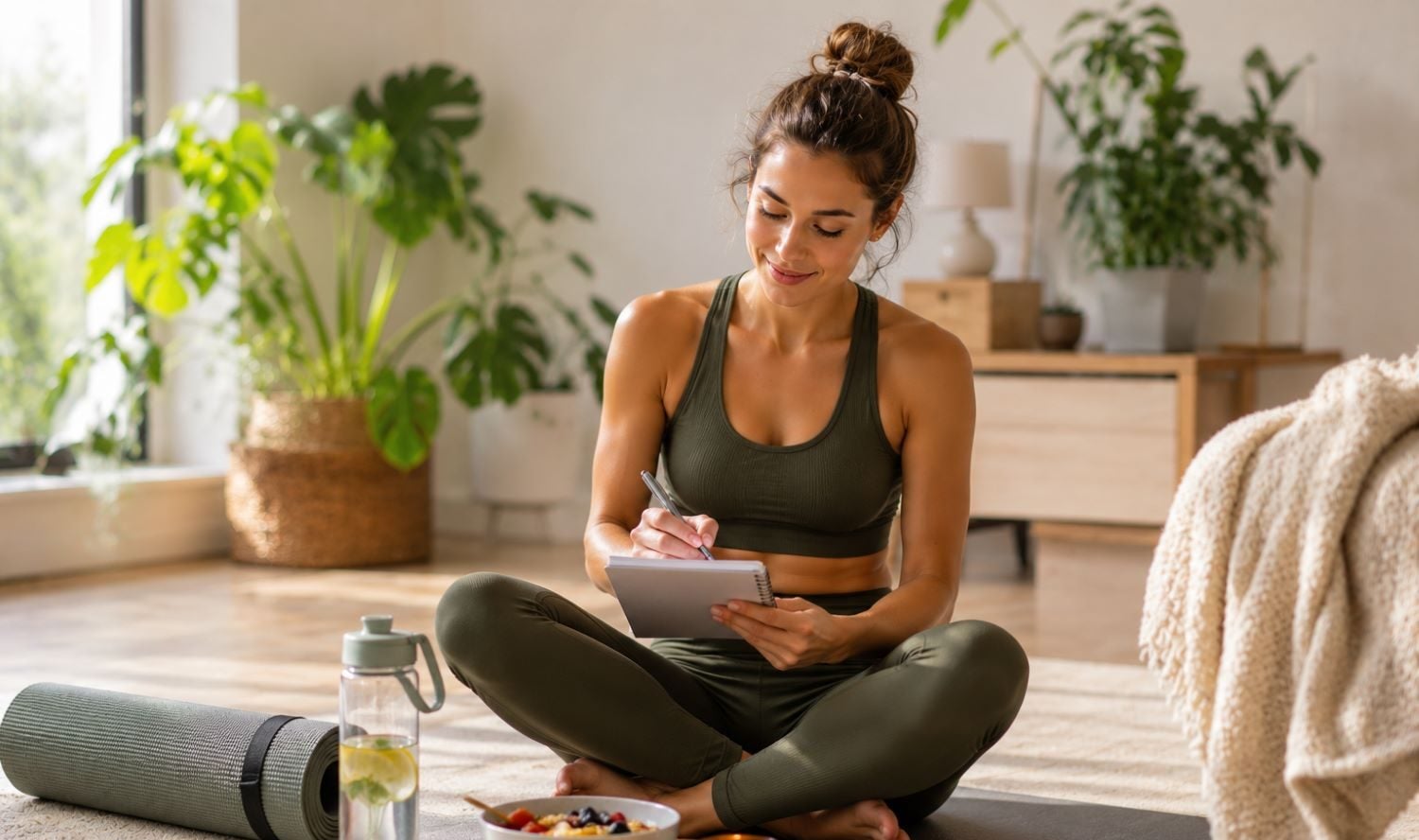
The best wellness routine is not the one that looks perfect online.
It is the one you can actually live with.
That may sound obvious, but it is easy to forget. Wellness is often sold as a full lifestyle transformation: wake up earlier, drink more water, work out every day, meditate, meal prep, journal, stretch, sleep eight hours, and somehow stay calm through all of it.
For most people, that kind of routine lasts about three days.
A better approach is smaller, more realistic, and easier to repeat. A wellness routine should make your life feel better, not turn into another thing you feel guilty about.
Before building one, it helps to think about what you actually want it to improve. Do you want more energy? Better sleep? Less stress? More movement? A calmer morning? A better relationship with food? A routine that helps you feel more in control of your day?
Your answer matters. A wellness routine should solve a real problem in your life, not just copy someone else’s schedule.
If your energy is low, you may need more consistent meals, hydration, and sleep. If you feel stressed all the time, you may need more breathing room and fewer unrealistic commitments. If you keep falling off your fitness routine, maybe the answer is not harder workouts. Maybe it is shorter ones.
One of the biggest mistakes people make is trying to change everything at once. They decide that Monday is the day they become a completely different person. Suddenly, they are waking up at 5 a.m., cutting out half their favourite foods, working out daily, journaling, meditating, and tracking everything.
That might feel motivating at first, but it is usually too much.
Starting with two or three habits is usually more realistic. Drink water in the morning. Go for a walk after lunch. Stretch before bed. Prep one easy protein option for the week. Put your phone away 20 minutes earlier. Small habits may not feel exciting, but they are easier to repeat. And repetition is what builds a routine.
Exercise is one of the most important parts of wellness, but it does not have to look the same for everyone. Walking counts. Strength training counts. Pilates, cycling, yoga, swimming, dancing, and sports all count. The best type of movement is the one you will actually do.
If you are starting from scratch, do not make the plan too ambitious. Ten minutes is better than nothing. A short walk is better than waiting for the perfect gym day. Two strength workouts a week is better than planning for five and quitting after one.
The goal is to make movement feel like something you can come back to, even when life gets busy. Consistency matters more than intensity at the beginning.
Sleep is another piece people tend to underestimate. It is not the bonus round of wellness. It is the foundation. When you are not sleeping well, everything else feels harder. Workouts feel heavier. Cravings can feel stronger. Stress feels louder. Focus is harder to hold. Even small tasks can feel like too much.
A better wellness routine should include some kind of sleep support. That could mean going to bed around the same time most nights, limiting late caffeine, keeping your room cool, or giving yourself a few minutes to wind down without your phone. You do not need a perfect nighttime ritual. You just need a routine that helps your body understand when it is time to slow down.
Food should support the routine, not turn into another source of pressure. Instead of building everything around restriction, think about what helps you feel energized, full, and steady throughout the day. For most people, simple meals work best: protein, fibre-rich carbs, healthy fats, and enough fluids.
Eggs and toast, chicken bowls, tuna wraps, smoothies, soups, salads with protein, and easy leftovers can all fit into a realistic routine. The less complicated your food plan is, the more likely you are to stick with it. You do not need every meal to be perfect. You need a few reliable options that make the better choice easier.
Stress relief can be simple too. It does not have to mean sitting in silence for 30 minutes while pretending your mind is calm. It can be a walk outside, a few deep breaths before opening your laptop, ten minutes without your phone, a shower, a stretch, a playlist, a clean kitchen, or a proper lunch break.
The best stress habit is the one you will actually use when life feels full. It should feel like relief, not another task you have to perform.
A routine also needs room for real life. There will be late nights, busy mornings, missed workouts, travel days, deadlines, and weeks where everything feels off. That does not mean the routine is ruined. It just means you need a smaller version.
If you cannot do a full workout, do ten minutes. If you cannot cook, choose the best easy option available. If you miss your morning routine, drink water and take a short walk later. If the day gets away from you, focus on sleep and start again tomorrow.
The backup version is what keeps you consistent. Not perfect, but consistent.
Most importantly, pay attention to how the routine makes you feel. Wellness should improve your life. If it is making you anxious, exhausted, guilty, or obsessive, it may not be the right routine for you.
Notice your energy. Your mood. Your sleep. Your patience. Your ability to recover. Your stress levels. The point is not to create a perfect-looking routine. It is to build a life that feels more manageable, more grounded, and more supportive.
The routines that last are usually not the most dramatic ones. They are simple. They are flexible. They are built around habits you can repeat even when you are busy, tired, or not feeling especially motivated.
Move your body. Eat enough. Drink water. Sleep. Take breaks. Get outside when you can. Make room for things that make you feel human.
You do not need to overhaul your life to feel better. You need a few steady habits that make the day easier to carry.
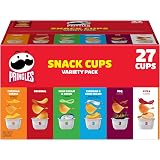
Pringles Potato Crisps Chips, Lunch Snacks, Snack Cups, Variety Pack, 19.5oz Box (27 Cups)
$13.98 (as of September 12, 2026 03:19 GMT +00:00 - More infoProduct prices and availability are accurate as of the date/time indicated and are subject to change. Any price and availability information displayed on [relevant Amazon Site(s), as applicable] at the time of purchase will apply to the purchase of this product.)
UP URARA PUP Pink Plaid Bowtie Dog Collar - Summer Comfortable Cotton Collar With Metal Buckle for Puppy Boy Girl, M
$16.99 (as of September 12, 2026 03:08 GMT +00:00 - More infoProduct prices and availability are accurate as of the date/time indicated and are subject to change. Any price and availability information displayed on [relevant Amazon Site(s), as applicable] at the time of purchase will apply to the purchase of this product.)
Tevila Stainless Steel Cat Litter Box for Kitten, Kitty & Senior Cats Pan | Metal Litter Box , Open Top Low Entry Litter Pan, Non-Stick Easy Clean Anti-Scratch Kitty Cat Box for Indoor Cats, Single Pan
$15.99 (as of September 12, 2026 03:08 GMT +00:00 - More infoProduct prices and availability are accurate as of the date/time indicated and are subject to change. Any price and availability information displayed on [relevant Amazon Site(s), as applicable] at the time of purchase will apply to the purchase of this product.)
Amazon Fire TV Stick 4K Plus (newest model) with AI-powered Fire TV Search, Wi-Fi 6, stream hundreds of thousands of movies and shows, free & live TV, find shows faster with Alexa+
$69.99 (as of September 12, 2026 03:10 GMT +00:00 - More infoProduct prices and availability are accurate as of the date/time indicated and are subject to change. Any price and availability information displayed on [relevant Amazon Site(s), as applicable] at the time of purchase will apply to the purchase of this product.)














Post Comment