Unlock the Secret Hack to Score Premium Vitamins for Free—Yes, $0 at Checkout, No Gimmicks!

Ever noticed how every time you turn around, there’s a new nutrient your doctor swears by—Calcium, Vitamin D, a daily multivitamin—you name it. The list just keeps growing, and so does the bill at the pharmacy. For many juggling tight grocery budgets, stocking up on supplements can quickly feel like one pricey headache after another. But here’s a little secret: you don’t have to break the bank to keep your health on point. Believe it or not, there are savvy, simple hacks that can slash those vitamin costs — sometimes down to zilch. Curious how? Let’s dive into some savvy tips that’ll keep your body fueled and your wallet happy, without paying full retail. LEARN MORE
Calcium. Vitamin D. A daily multivitamin. The list of nutrients doctors recommend for good health keeps growing, and so does the cost of keeping a well-stocked medicine cabinet. For families already stretching grocery budgets, the running tab on supplements can feel like one expense too many.
The good news: you do not have to choose between your health and your household budget. A handful of straightforward tactics can cut what you spend on vitamins, and some can even bring the cost down to zero. Here is how to get the nutrients you need without paying full retail.
Ask your pharmacy about free vitamins
Free is a hard price to beat, and it is available at more places than most shoppers realize.
Many Good Neighbor Pharmacy locations offer free 30-day supplies of vitamins to customers, including a version formulated specifically for adults 50 and over. Good Neighbor is a network of independently owned community pharmacies, which means the participating stores are often the same neighborhood drugstores families have used for years. You can find the nearest location at MyGNP.com.
The 50-and-over formulation is worth noting. Nutrient needs shift with age. Older adults often require more vitamin D and B12, and the balance of other vitamins and minerals in a standard multivitamin may not match what a 60-year-old body needs the way it matches a 30-year-old’s. A free supply designed for that stage of life is a practical starting point, particularly for retirees on fixed incomes.
Before you go, it is worth calling ahead. Free offers can vary by location, and pharmacy staff can confirm what is currently available and whether any sign-up is required.
Get your doctor to write a prescription
This one surprises people: some vitamins can be covered by health insurance if your doctor prescribes them.
Health insurance companies often pay for all or part of your vitamins when there is a documented medical need and a prescription on file. The specifics depend on your plan and the vitamin in question, but the categories that most commonly qualify include prenatal vitamins, high-dose vitamin D for people with a diagnosed deficiency and certain B vitamins prescribed for particular conditions.
The process is simpler than it sounds. At your next appointment, ask your doctor whether any of the vitamins you take could be prescribed rather than bought over the counter. If the answer is yes, your doctor sends the prescription to your pharmacy the same way they would with any other medication. Your insurance is then billed, and you pay the copay — which is frequently less than the retail price of the bottle.
Before making assumptions about what is covered, call the customer service number on the back of your insurance card or log in to your plan’s website and check the formulary — the list of medications your plan covers. Ask specifically about prescription vitamins and what documentation, if any, the plan requires.
Use pre-tax dollars from an FSA or HSA

If you have a Flexible Spending Account or a Health Savings Account through your employer, you may already have a tool to buy vitamins with pre-tax dollars — which effectively gives you a discount equal to your tax rate.
FSAs and HSAs both allow you to set aside money from your paycheck before taxes are withheld, then spend that money on qualified medical expenses. Vitamins have historically been a gray area for these accounts. The general rule is that vitamins purchased for general wellness are not eligible, but vitamins prescribed by a healthcare provider for a specific medical need often are.
The key document is called a letter of medical necessity. If your doctor determines that you need a particular vitamin to treat or prevent a diagnosed condition—iron for anemia, for example, or calcium and vitamin D for bone loss—they can write a brief letter explaining that necessity. You then submit the letter through your FSA or HSA plan, along with your receipts, to get reimbursed with pre-tax dollars.
The savings add up. If you are in a 22 percent federal tax bracket, buying a $30 bottle of vitamins with pre-tax dollars effectively costs you closer to $23. Over a year of monthly purchases, that difference is meaningful.
A few more habits that stretch your dollar
Beyond these three tactics, a little strategy at the checkout counter helps too. Store-brand vitamins from major retailers are typically manufactured to the same standards as name brands and cost significantly less. Buying larger bottles usually lowers the per-pill price, provided you can use the supply before the expiration date. And signing up for pharmacy loyalty programs can unlock coupons and rewards on repeat purchases.
Whatever combination of tactics you use, the underlying point is the same: the recommended daily nutrients that keep you healthy do not have to come at a premium price. A short conversation with your doctor, a call to your insurer and a stop by your neighborhood pharmacy can go a long way toward keeping both your body and your budget in good shape.
A version of this story first appeared in the July 20, 2026 issue of Woman’s World magazine.

Nature's Recipe Grain Free Wet Dog Food Variety Pack, Chicken Recipes with Beef, Turkey & Lamb in Savory Broth, 2.75 oz. Cups (Pack of 12), 2 Count
(as of July 12, 2026 02:49 GMT +00:00 - More infoProduct prices and availability are accurate as of the date/time indicated and are subject to change. Any price and availability information displayed on [relevant Amazon Site(s), as applicable] at the time of purchase will apply to the purchase of this product.)
Wellness Complete Health Pate Variety Pack Kitten Canned Wet Cat Food, Natural, Protein Rich, Grain Free, Whitefish and Chicken Recipes, 3 oz, Pack of 12 Cans
(as of July 12, 2026 02:49 GMT +00:00 - More infoProduct prices and availability are accurate as of the date/time indicated and are subject to change. Any price and availability information displayed on [relevant Amazon Site(s), as applicable] at the time of purchase will apply to the purchase of this product.)
10Ft Extension Cord with Multiple Outlets, Flat Plug Surge Protector Power Strip 10 Ft Long Cord, 8 Outlets & 4 USB Ports (2 USB C), Desk Charging Station for Home Office, College Dorm Room Essentials
(as of July 12, 2026 02:54 GMT +00:00 - More infoProduct prices and availability are accurate as of the date/time indicated and are subject to change. Any price and availability information displayed on [relevant Amazon Site(s), as applicable] at the time of purchase will apply to the purchase of this product.)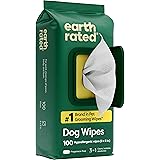
Earth Rated Pet Wipes for Dogs and Cats, Hypoallergenic, 3-in-1 Cleaning, Deodorizing and Hydrating, for Grooming Paws, Body and Butt, Unscented, 100 Count
$9.98 (as of July 12, 2026 02:40 GMT +00:00 - More infoProduct prices and availability are accurate as of the date/time indicated and are subject to change. Any price and availability information displayed on [relevant Amazon Site(s), as applicable] at the time of purchase will apply to the purchase of this product.)













Post Comment