5 Game-Changing Cycling Truths No Newbie Told Me—Avoid These Rookie Mistakes!
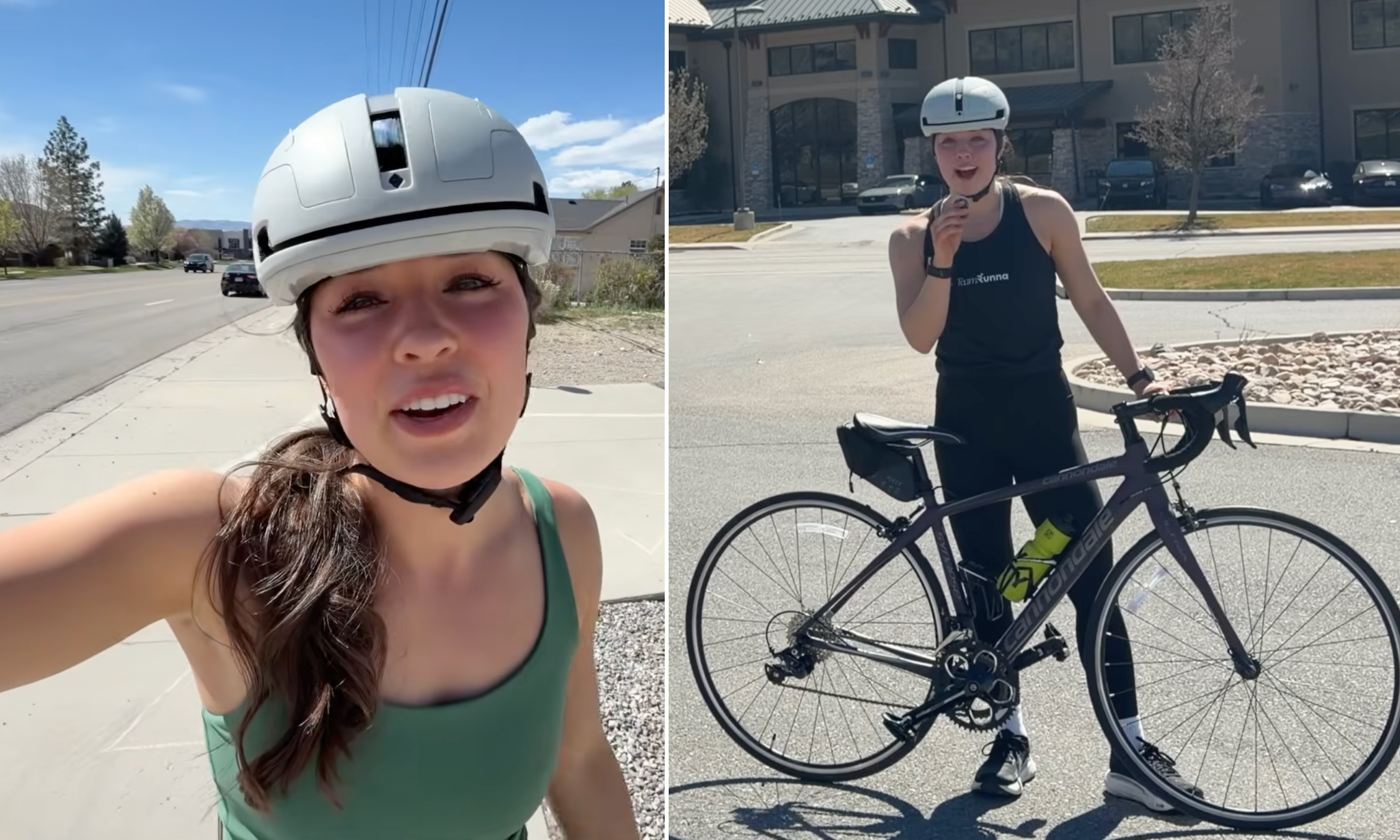
Ever wondered why so many women are swapping running shoes for bike pedals these days? It’s like cycling’s having its very own glow-up—TikTok’s buzzing with 3.4 million hashtags, and the energy is contagious. Enter Riley Rehl, a content creator who dove headfirst into this two-wheeled revolution, going from zero to smashing a 20-mile ride in just 30 days. But here’s the kicker: it’s not just about fresh air and a killer workout. Science backs it up—cycling can seriously boost brain power and body fitness, lowering dementia risks and firing up those memory circuits with just 20 minutes at a relaxed pace. Ready to discover how Riley learned the ropes, from gear mishaps to confidence gains, and why trying something new might be your best motivation yet? Let’s pedal into the story. LEARN MORE
 3 min read
Following the running boom now appears to be a cycling boom. With 3.4M hashtags on TikTok, more women are starting to take up cycling. And one such woman keen to discover the benefits for herself is content creator Riley Rehl, who documented her journey from beginner cyclist to completing a 20-mile ride in just 30 days.
And there’s a strong scientific case for regular cycling, too—for both brain and body. One 44-year study found that women who performed highly on maximal cycling tests had a significantly lower risk of developing dementia, and another recent study found that 20 minutes of cycling at a comfortable pace, created “ripples” of activity in the area of the brain that processes and stores information.
As for other markers of health and fitness? A paper published this year suggested that incorporating cycling into daily life has both fitness and body composition benefits.
5 things Riley learned
She built her confidence surprisingly quickly
“I haven’t owned a bike since I was eight years old,” said Riley at the beginning of the video, adding that she had never cycled on roads, so was nervous about the challenge. Before riding on the road for the first time, Riley cycled off-road for seven miles to get a feel for her bike—and was glad she did as it helped build confidence for her first road ride.
“It was a good experience and I’m proud of myself,” she said following her first road ride. “I got a good workout in, had fun and got some sunshine.”
Research and preparation are important
One reason why Riley felt confident on the road so quickly? She’d done all her research beforehand regarding road rules and etiquette, which she said helped her feel more comfortable owning her spot on the road—ultimately helping her stay safe.
Another research technique? “At the traffic lights, I look at the way legit cyclists are pedaling and the way they’re cycling in general to try and learn from them,” Riley explained.
You need the right gear
Riley noted that wearing running sneakers made cycling considerably more difficult, with the pedals spinning when she tried to grip them at traffic lights. And while investing in new gear can be expensive, Riley wanted get cycling shoes and cleats (which clip your shoes onto the pedals) as soon as possible.
Once hers arrived, she also pointed out that beginners should research which cleats are best, with different cleats having different amounts of give—which is important as beginners can fall when getting used to the clip-in shoes, as Riley did. That’s why she practiced in an empty parking lot.
“The shoes help with power so much—power and speed. It’s way better of an experience wearing cycling shoes,” Riley added, before noting that she would size up—maybe even two sizes—in the future, as her toes felt numb. “I don’t think that’s a good thing.”
You need to understand how your bike works
After completing her 20-mile cycle, Riley explained that while she had fallen a few times, that had actually helped her realize that there was an additional brake on her bike that she hadn’t known was there. “I went up a hill at the beginning of the ride and I was dying—I was like, how are people doing this? I must be doing this wrong.”
Turns out, Riley was doing it wrong, and learning about the bike a bit more before starting might have made life easier (and safer) for her.
Trying something new is good for motivation
“Some of the challenges that I do, I just do the challenge and then I move on to something new, but I will continue to be cycling and I’m really excited for what’s to come,” Riley concluded of her 30-day cycling challenge.
Hannah Bradfield is a Senior Health and Fitness Writer for Women’s Health UK. An NCTJ-accredited journalist, Hannah graduated from Loughborough University with a BA in English and Sport Science and an MA in Media and Cultural Analysis. She has been covering sports, health and fitness for the last five years and has created content for outlets including BBC Sport, BBC Sounds, Runner’s World and Stylist. She especially enjoys interviewing those working within the community to improve access to sport, exercise and wellness. Hannah is a 2024 John Schofield Trust Fellow and was also named a 2022 Rising Star in Journalism by The Printing Charity. A keen runner, Hannah was firmly a sprinter growing up (also dabbling in long jump) but has since transitioned to longer-distance running. While 10K is her favoured race distance, she loves running or volunteering at parkrun every Saturday, followed, of course, by pastries. She’s always looking for fun new runs and races to do and brunch spots to try.

KISENG Stainless Steel Dog Bowls, 3.8 Cup, 2 Pack, Non-Slip & Durable | Stable Non-Slip Base;Dishwasher Safe;Effortless Cleaning;Space-Saving Stackable Design;dog food and water bowl set
$8.99 (as of September 12, 2026 03:08 GMT +00:00 - More infoProduct prices and availability are accurate as of the date/time indicated and are subject to change. Any price and availability information displayed on [relevant Amazon Site(s), as applicable] at the time of purchase will apply to the purchase of this product.)
Bedsure Orthopedic Dog Beds Large Sized Dog Washable Original Design | 35" Dog Couch Sofa Waterproof, Comfy Bolster Sides, Removable Cover, Nonslip Bottom, Pet Bed for Cats, Senior Dogs, Grey
$36.06 (as of September 12, 2026 03:08 GMT +00:00 - More infoProduct prices and availability are accurate as of the date/time indicated and are subject to change. Any price and availability information displayed on [relevant Amazon Site(s), as applicable] at the time of purchase will apply to the purchase of this product.)
Rice Krispies Treats Crispy Marshmallow Squares, Kids Snacks, Cereal Bars, Original, 31.2oz Box (40 Bars)
$11.23 (as of September 12, 2026 03:19 GMT +00:00 - More infoProduct prices and availability are accurate as of the date/time indicated and are subject to change. Any price and availability information displayed on [relevant Amazon Site(s), as applicable] at the time of purchase will apply to the purchase of this product.)
Organic Banana Bunch (4-5 Count)
(as of September 12, 2026 03:03 GMT +00:00 - More infoProduct prices and availability are accurate as of the date/time indicated and are subject to change. Any price and availability information displayed on [relevant Amazon Site(s), as applicable] at the time of purchase will apply to the purchase of this product.)











Post Comment