Is Your Favorite Sugar Substitute Secretly Fueling Heart Trouble? The Erythritol Controversy You Can’t Ignore
Sugar alternatives have snuck their way into nearly every aisle of our grocery stores, promising guilt-free sweetness without the calorie overload. But here’s the kicker—are these seemingly innocent sugar substitutes actually tossing us a sugary curveball in disguise? Take erythritol, for instance. It’s plastered all over labels boasting “sugar-free” and “low-carb,” celebrated for its low-calorie charm and minimal impact on blood sugar. Sounds like a dream, right? Well, recent science is ringing some cautionary bells, hinting that this popular sugar alcohol might be hitching a ride straight to your heart’s doorstep—with potential risks nobody saw coming. So, before you reach for that supposedly healthy treat, let’s unravel the truth about erythritol and what it might mean for your long-term cardiovascular health. LEARN MORE
As consumers become more interested in foods without added sugar, the number of products with artificial and alternative sweeteners has steadily grown. But when are the sugar alternatives worse than the sugar they are replacing?
Take erythritol, a sugar alcohol used in a number of packaged drinks and desserts. Although often used in foods marketed as healthy options, erythritol has recently been suspected of increasing the risk of long-term cardiovascular disease (CVD).
Erythritol is one of the most common sugar alternatives used in “sugar-free” and low-carbohydrate foods. While it has long been considered a safe sugar substitute, recent research has raised questions about a possible connection between erythritol and cardiovascular disease. Here’s what current studies have found.
What is Erythritol?
Erythritol was discovered in the mid-1800s as a component of algae, lichen and grasses but wasn’t used as an ingredient until Japan developed it for use starting in 1990.
In 1997, the FDA officially labeled erythritol as generally regarded as safe (GRAS). And although the FDA hasn’t officially created an ADI (Acceptable Daily Intake) of erythritol, it is recommended to consume less than 0.5g per kilogram of body weight.
While this is higher than many other sugar alcohols, it is known that too much erythritol can lead to diarrhea and therefore an electrolyte imbalance.
These days, erythritol is used to sweeten a number of widely consumed packaged foods: Halo Top frozen dessert, Lily’s chocolate products, some flavors of Catalina Crunch chocolate cookie bars, Virgil’s zero sugar sodas, and Legendary Foods protein pastries.
Many of these are presented as healthier options to traditional sweet processed foods. Erythritol is sometimes used in combination with stevia and labeled as “sugar-free.”
The interest in erythritol stems from the fact that it is lower in calories than sugar and has little effect on blood sugar.
Erythritol and Heart Health
Recent studies into sugar alternatives are concerning when looking into any association between erythritol and heart disease.
One study in particular found that higher circulating levels of erythritol were associated with incidents of heart attacks, stroke and even death within three years.
An additional erythritol study found that the alcohol sugar directly affected existing platelets in the blood, making them more prone to the clotting and thrombosis that can lead to heart attacks and strokes.
Overall, people with the highest levels of erythritol were twice as likely to have a cardiovascular event within three years as those with the lowest levels.
And while it is easy to dismiss this by offering an “everything in moderation” approach, another study is finding that even within 30 minutes of drinking a single serving of an erythritol drink, circulating levels increased.
Where Does Erythritol Come From?
It’s understandable to think that erythritol would be a safe option for two reasons: it naturally occurs in foods and our bodies actually make it.
Erythritol naturally occurs in small doses in some fruit, seaweed and honey as well as fermented foods like soy sauce, cheese and wine. But these are not the sources of the erythritol found as a food additive. For the most part, it comes from the fermentation of either yeast or corn. And unfortunately, most corn is now genetically modified. Unless a food with erythritol is labeled as organic and/or non-GMO, it may come from a GMO source.
Erythritol is also made within our own bodies, but in very small amounts.
It is synthesized by red blood cells from glucose via the pentose phosphate pathway. This pathway is elevated in situations of oxidative stress and in those with pre-existing cardiovascular disease.
That means that consumption of erythritol is even riskier if you already are at higher risk of CVD.
Who Should Limit or Avoid Erythritol?
There are so many factors for cardiovascular risks: smoking, exercise, inflammation, diet, genetics.
While consuming alcohol sugars like erythritol may seem a lower priority, emerging evidence suggests not ignoring the correlation.
For some people, the occasional packaged food with erythritol will probably not cause lasting harm. But if you are one of nearly half of Americans who suffer from a form of CVD, it would be wise to avoid.
Understanding emerging nutrition research is an important part of helping clients make informed dietary choices. Interest and careers in nutrition therapy is growing and the Nutrition Therapy Institute has been a leader in nutrition education for decades.
If you want to learn more about NTI’s Nutrition Therapist Master program, the best place to start is with an informational webinar.
We offer these for prospective students so you can learn about our unique science-based approach and what you can expect to experience.
Sign up now for a 1-hour, online webinar.
About the author: Maya Strausberg earned her Master Nutrition Therapist certification from NTI before starting her nutrition therapy private practice. She now offers writing and editing services for nutritionists and other health practitioners around the world through her business, Family Tree Nutrition.
Images:
Image by congerdesign from Pixabay
Image by Bruno from Pixabay
Babole Pet Yellow Daisy Dog Collar Cute Summer Dog Collars for Small Dogs - Lightweight Adjustable Girly Floral Female Dogs Everyday Collar with Safety Buckle S
$9.99 (as of September 20, 2026 03:10 GMT +00:00 - More infoProduct prices and availability are accurate as of the date/time indicated and are subject to change. Any price and availability information displayed on [relevant Amazon Site(s), as applicable] at the time of purchase will apply to the purchase of this product.)
Dog Allergy Relief Chews - Anti-Itch Skin & Coat Supplement with Omega 3 | Itchy Skin Relief Treatment with Fish Oil - Itching & Paw Licking Support - Dry Skin & Hot Spots Treats - Made in USA, 180Ct
$22.99 (as of September 20, 2026 03:10 GMT +00:00 - More infoProduct prices and availability are accurate as of the date/time indicated and are subject to change. Any price and availability information displayed on [relevant Amazon Site(s), as applicable] at the time of purchase will apply to the purchase of this product.)
CuteBone Little Miss Sassy Pants Dog Leopard Print Dress Velvet for Small Dogs Girl Puppy Dresses Pink Dog Clothes
$13.99 (as of September 20, 2026 03:10 GMT +00:00 - More infoProduct prices and availability are accurate as of the date/time indicated and are subject to change. Any price and availability information displayed on [relevant Amazon Site(s), as applicable] at the time of purchase will apply to the purchase of this product.)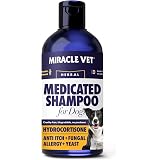
Miracle Vet Medicated Dog Shampoo for Itchy Skin Relief - Antifungal for Dog Allergy Relief, Yeast Infection, Hot Spot & Dry Skin Anti-Itch Treatment Wash - Hydrocortisone 8 fl oz
$14.99 (as of September 20, 2026 03:10 GMT +00:00 - More infoProduct prices and availability are accurate as of the date/time indicated and are subject to change. Any price and availability information displayed on [relevant Amazon Site(s), as applicable] at the time of purchase will apply to the purchase of this product.)










Post Comment